





Shingles

Author -  Larry Law

February 3, 2026
Print Friendly and PDF

Share this article:

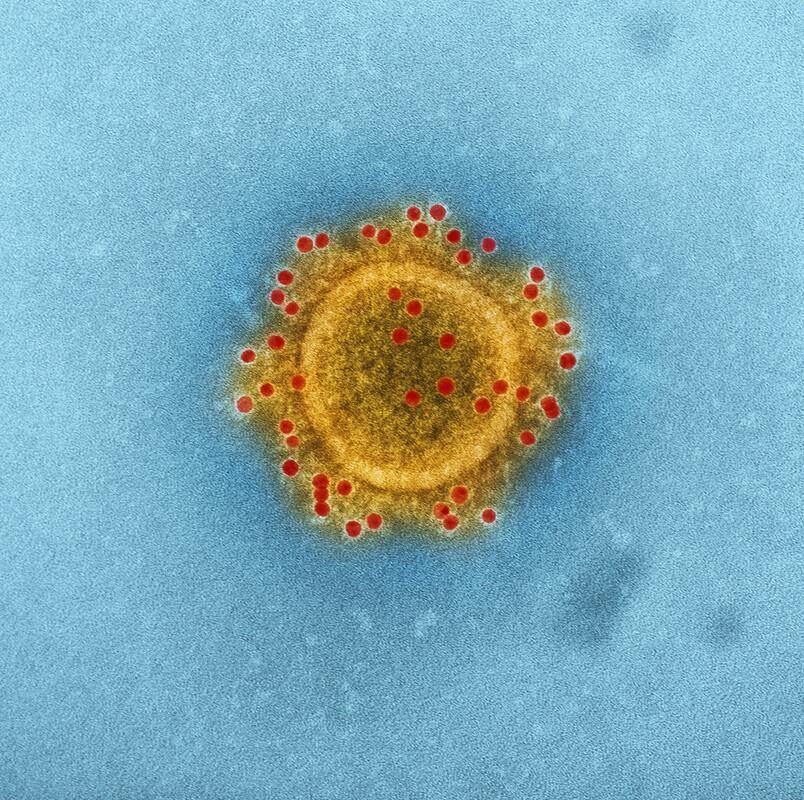
Shingles is a viral infection caused by the activation of the varicella-zoster virus (VZV), also called human herpesvirus 3. That's the same virus that causes chickenpox. If you have ever had chickenpox, you were exposed to the varicella-zoster virus, which stays in your body for the rest of your life. If this occurs, the virus can reactivate as shingles years later. Being exposed to children with chickenpox keeps adult immunity up and reduces the chance of shingles in the future. Unfortunately, because we have largely eliminated chickenpox in kids, there is no repeated exposure to the virus to keep shingles at bay. The medical community has traded a kid's disease with few side effects for an adult disease with a lot of pain and discomfort. The VZV is a member of the herpes family of viruses. When shingles develops, it affects the nerves throughout the body resulting in painful, uncomfortable symptoms.

Symptoms


Usually, shingles will last 2-6 weeks. Symptoms can include headache and fever, chills, upset stomach, itching/tingling/burning on affected skin, shooting pain like an electric shock, redness and rash (commonly seen on one side of the torso), and even changes in eyesight.

As the shingles virus travels along specific nerves, the rash usually appears in a band on only one side of the body. The band corresponds to the spot where the nerve fires off signals. It normally doesn't spread over the entire body, but typically remains localized.

While symptoms can be extremely uncomfortable, they are not normally life-threatening for healthy adults. Adults with a compromised immune system are more at risk for complications caused by shingles and could end up requiring hospitalization.

Causes


As mentioned earlier, shingles is caused by the chickenpox virus, VZV. After you have chickenpox, the virus goes dormant within the nerves of the body. If the virus becomes activated, typically later in life, there is a potential for shingles to develop. If you were born before 1980, it is very likely that you had chickenpox, even if you don't remember (it was a very common childhood disease). In many people, the virus will stay dormant and never develop into shingles. Grown-up exposure to kids with chickenpox keeps the immune system on top of the virus by repeated exposure as we age. Unfortunately, the chickenpox vaccine has virtually eliminated the disease resulting in a huge increase in the number of shingles cases. 

The virus can reactivate if an individual's immune system is weakened, compromised by immunosuppressants, or if under high levels of stress. Natural aging also increases the risk as the body's immune system becomes immunosenescent (less vibrant and active—more docile) with aging and especially without exposure to children with chicken pox. 

Developing shingles is influenced primarily by age (people over 50), overall health status, sex (women are more at risk than men), and race (Caucasions are 30% more likely to get the disease than other races). 

study published in the Journal of Cutaneous Immunology and Allergy concluded that persistent shingles following COVID jabs was associated with the COVID spike protein. The researchers theorized that the COVID jab induced persistent shingles reactivation by down-regulating and perturbing the immune system. So, it turns out that COVID jabs increase the risk of reactivating shingles, if you've had it before or have risk factors for it. 

Diagnosis and Complications 


Shingles is usually diagnosed easily because of the accompanying rash along the path of the affected nerves. Often, nerve pain precedes the rash by several days. If a rash is absent after three days of suspicious nerve pain, then a polymerase chain reaction (PCR) test can be done to determine if it is really shingles.

Posttherapeutic neualgia (PHN) is the most common complaint and involves the persistent burning or shooting sensation in the affected nerve and skin. This pain can last a long time before disappearing (approximately 10-18% of people experience this). For those over 60 years of age, over 60% have this pain last much longer. 

Eye and ear complications arise in 20% of cases and the cornea and retina can be painfully affected, leading to vision impairment and sensitivity to light, eye pain, redness, drainage, and even blindness. 

Treatment


There is no cure for shingles, but early use of antiviral medications can lessen or prevent nerve pain (PHN). Maintaining a strong immune system is vital. Research indicates that stressful life events and higher rates of depression elevate the risk of shingles. Reducing emotional and physical stress is imperative. A pilot study showed that meditation improved both pain and physical functioning of those suffering with shingles. Of course, the medical system recommends a vaccine (Shingrix) to fight this disease caused by the chickenpox vaccine (Varivax and ProQuad). It's a win-win financially for them to treat drug side effects with more drugs, so why not vaccines? But always remember that it's a personal choice and you should research the effectiveness, side effects, and harm caused by this vaccine to your native immune system. There is always a cost and sometimes it is severe. Remember that when they say a vaccine is 95% effective, it does not mean what you think. They claimed the COVID-19 mRNA vaccine was 95% effective. But that 95% effectiveness actually dropped to zero when the public learned that the vaccine did not stop transmission or infection at all (after they sold billions of dollars' of it). In reality,the jab turned out to have negative effectiveness—the vaccinated were more likely to get COVID than the unvaccinated!

treatment approach from 1949 published by Dr. Fred R. Klenner showed impressive positive effects of using ascorbic acid against a number of diseases. One of the diseases discussed was the herpes zoster virus (shingles). Dr. Klenner used large doses of ascorbic acid to treat the pain and related how rapidly the pain disappeared in a number of cases. For shingles he used 2000-3000 mg of vitamin C given every 12 hours. This was supplemented by 3000 mg in fruit juice by mouth every 2 hours. Eight cases of adults were treated and seven experienced cessation of pain within 2 hours of the first vitamin C injection and remained so without the use of any other medication.

Recent Posts

By Larry Law March 31, 2026
Kitchen cooking oils will not last forever. Depending upon the oil, it can go rancid in a matter of months or a few years. You don't want to cook with rancid oil because it smells like wet socks and the living components have lost their vitality. But the good news is, expired oil won't hurt you. There is no water in it, so no mold can grow to make it rotten and dangerous. It can still be used for creative applications. According to the United States Department of Agriculture Forest Service, “Vegetable oils have many good natural properties including good lubricity, good resistance to shear, a high flash point, and a high viscosity index.” These qualities make them quite versatile in a number of applications. You might consider keeping your old oil rather than throwing it out. Recycling expired oil could prove to be a valuable asset in emergency situations.
By Larry Law March 17, 2026
Disposable face masks, such as those health officials encouraged (or in some cases, mandated) the public to wear during the COVID-19 pandemic, are made of synthetic fibers and may contain chemical compounds. Many people have questioned the wisdom of wearing masks made of synthetic fibers for long periods, asking whether inhaling the chemical compounds masks release could lead to health problems.
By Larry Law March 3, 2026
Deaths from Alzheimer's more than doubled between 2000 and 2019. In 2023, nearly 7 million Americans have been diagnosed with the disease. Today, 1 in 3 seniors dies with Alzheimer's or dementia—the death toll exceeds the total of breast- and prostate cancer combined. Officially, it's the sixth-leading cause of death, but a 2014 study suggests that it is actually one of the top three (just behind heart disease and cancer). The discrepancy being how death certificates underreport the disese because they record the more immediate cause of death (pneumonia or heart attack) rather than listing the underlyings causes.
By Larry Law February 17, 2026
True confessions: I never liked flossing, so I rarely used the string. Angie used all of the flossing strings I collected from the dentist to cut the dough when making cinnamon rolls—I thought that was a better and tastier use! I always brushed my teeth (manually and with a battery operated toothbrush). My teeth felt clean enough, but still, I had a lot of dental guilt every 6 months when I had to admit I wasn't flossing. A few years ago, I found a device that removed all my guilt and shame! I discovered the waterpik. A waterpik (also known as a dental water jet) is a brand of water flosser or oral irrigator that sprays water to remove food from between your teeth. Water flossers are a fabulous option for people who have trouble with traditional flossing—the kind that involves threading string-like material between your teeth. The girl in the picture looks like me trying to floss!
January 20, 2026
There are no easy answers for those who struggle with sleeping at night. Without a good night's sleep, our body's repair systems begin to struggle. A hormone we are familiar with has a little-known role in managing sleep. Cortisol is a steroid hormone that helps the body respond to stress and danger. It's also known as the "stress hormone" and is produced in the adrenal glands, which sit on top of each kidney. The hypothalamus-pituitary-adrenal axis regulates cortisol production and secretion. But I didn't realize it played an important role in keeping us from sleep.
By Larry Law December 9, 2025
Lupus is a chronic autoimmune disease that causes the body to attack its own tissues and organs, including the joints, skin, kidneys, blood cells, brain, heart, and lungs. According to traditional medicine, there is no cure for lupus. The work of the GRM demonstrates that there is hope through nutritional glycobiology. Current lupus medical treatments often target symptoms or broadly suppress the immune system, leading to side effects. However, Marina Zhang, an outstanding health reporter with The Epoch Times, reported that according to a Nature study published in 2024, science has discovered that patients with lupus have an imbalance in a crucial chemical pathway in their bodies. Researchers found that this imbalance produces more disease-causing cells that promote lupus. If this chemical imbalance can be corrected, they believe lupus can be reversed.
By Larry Law November 25, 2025
A recent study on sialic acid (a sugar) shines a bright light on an established risk factor for cancer. Scientists and doctors have known long-term consumption of red meat (beef, pork and lamb) is highly correlated to cancer. For years, researchers have looked for specific mechanisms in the meat that would cause human carcinomas. Grilling red meat was thought to create DNA damage due to mutagens, which are chemicals that mutate DNA. But that theory didn’t pan out. Grilling poultry and fish generates the same mutagens, but fish and poultry are not associated with an increased risk of cancer. ​
By Larry A. Law November 11, 2025
A false paradigm is a belief system that is incorrect. For centuries, people believed the sun went around the Earth. People looked up in the sky and it happened every day without fail. However, it was Copernicus in 1543 and Galileo in the 1600s who finally advanced the idea that what everyone saw each day was an illusion: the Earth actually went around the sun. Mark Twain stated, "It's not what we don't know that prevents us from succeeding; it's what we KNOW that just ain't so." I will discuss 5 false paradigms below.
By Larry A. Law October 28, 2025
The diverse roles glycans play in the body are simply astounding. As communication sugars, they represent the language of life. That is impressive enough by itself, but they do much more. Glycoproteins hold cells together. When they perform this function, they are referred to as cell adhesion molecules (CAMs). They govern the stickiness of cells—how they clump or align and stick together. When adhesion fails in cancer cells, scientists call this metastasis.
Show More