



Artificial Sweeteners and Cancer
Author - Larry A. Law
If you use artificial sweeteners, a warning was issued in July 2023. The World Health Organization (WHO) finally declared the popular artificial sweetener aspartame a likely carcinogen. Officially, the WHO's International Agency for Research on Cancer (IARC) says aspartame will now be listed as " possibly carcinogenic to humans (Group 2B)." However, the Joint Expert Committee on Food Additives (JECFA) made up of the WHO and Food and Agriculture Organization (FAO) declined to lower the acceptable daily intake amount of aspartame from the current 40 mg/kg of body weight. That was not a surprise since the chemical sweetener has been widely used since 1980 in various food and beverage products like diet drinks, chewing gum, gelatin, ice cream, dairy products such as yogurt, breakfast cereal, toothpaste and medications like cough drops and chewable vitamins.
Aspartame Cancer Risk Known for Decades
Despite aspartame's approval by the Food and Drug Administration
(FDA) in 1981, a series of investigative reports and studies raised serious issues with the chemical's approval. In 1996, a team within the department of psychiatry at Washington University Medical School
questioned whether aspartame was linked to increasing rates of brain tumors. "An exceedingly high incidence of brain tumors" was linked to aspartame-fed rats. In 2006, a study led by Dr. Morando Soffritti
, a cancer researcher in Italy, found that even in low doses of aspartame were causing animals to develop several different forms of cancer. In 2012, Harvard researchers
published a study linking diet soda with aspartame to non-Hodgkin lymphoma, multiple myeloma, and leukemia. In 2022, a study of 100,000 adults in France found that consumption of artificial sweeteners increased cancer risk by 13%.
Weight Control
Aspartame's cancer link is especially concerning since it is so prevalent in diet foods and drinks. Aspartame is used in 1,400 food products in France and more than 6,000 around the world. Its high level of sweetness (200 times greater than sugar) combined with its low calories makes it popular for people wanting to lose weight. But even the WHO released guidelines
in May 2023 advising people not to use artificial sweeteners for weight control because they don't offer any long-term benefit in reducing body fat in adults or children.
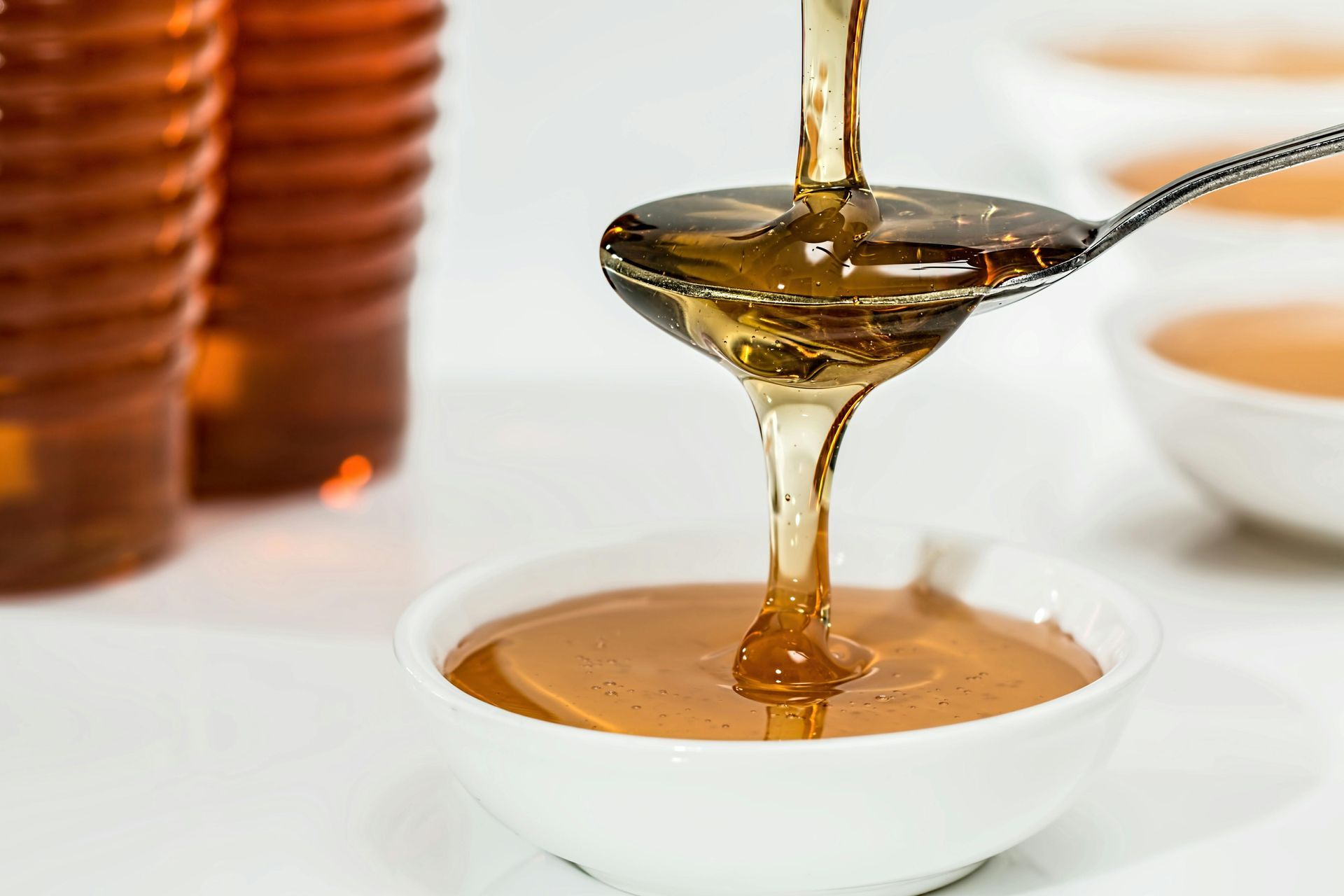
Clearly, these artificial sweeteners are devoid of benefit for your health. If you are going to use sugar, there are natural, healthy options like trehalose, glucose, honey, and even sucrose (in moderation and organically produced from non-GMO sugar cane). They represent much better alternatives to anything artificial and synthetic coming out of the laboratory.
Recent Posts