A
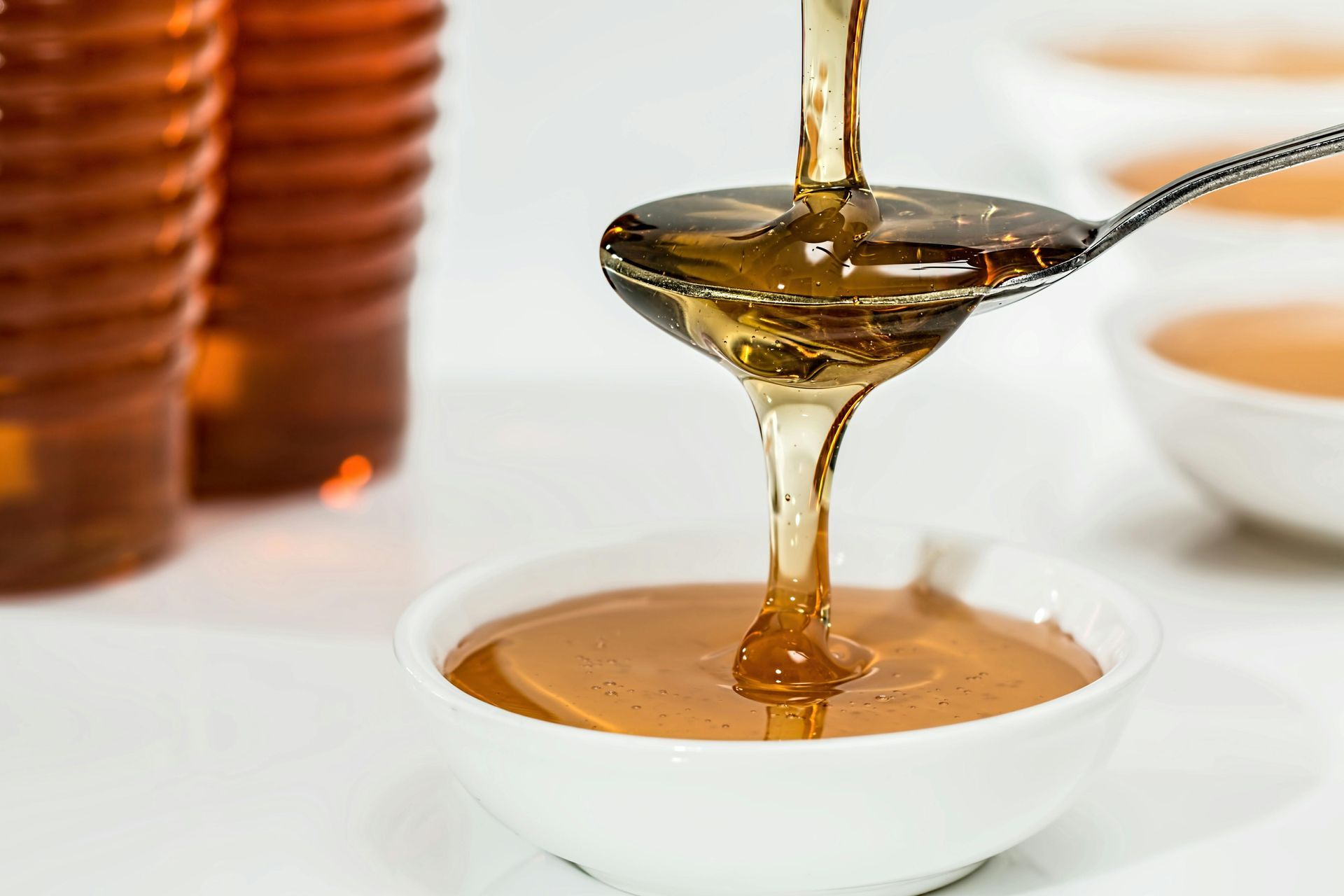
study was published in Nature implicating fructose in the development of cancerous tumors. Researchers noted that fructose consumption has increased considerably over the past five decades, largely due to the widespread use of high-fructose corn syrup as a sweetener. Scientists have proposed that fructose promotes the growth of some tumors directly by serving as a fuel. In this study, researchers were able to show that fructose supplementation enhances tumor growth in animal models of melanoma, breast cancer and cervical cancer.
Biochemistry
The cancer cells themselves were unable to use fructose readily as a nutrient because they did not express the enzyme ketohexokinase-C (KHK-C). However, liver cells did express KHK-C, resulting in the breakdown of fructose (fructolysis) and the excretion of a variety of lipid molecules, including lysophosphatidylcholines (LPCs). In the experiments, liver cell-derived LPCs were consumed by cancer cells and used to generate phosphatidylcholines, the major phospholipid of cell membranes (glycocalyx). In vivo, supplementation with high-fructose corn syrup (HFCS) increased several LPCs by more than sevenfold in the serum. Administration of LPCs to mice was sufficient to increase tumor growth.
High-Fructose Corn Syrup (HFCS)
In a previous
animal study conducted in 2021, HFCS was associated with an increased risk of colorectal cancer in mice prone to developing intestinal tumors and could increase the size and aggressiveness of colorectal tumors. HFCS has also been linked to liver disease, diabetes, and heart disease. In 2021, Americans consumed nearly 40 pounds of HFCS per person down from a peak of 66 pounds per person in 1999, but it is still the most common fructose used in food processing. There is ample evidence that fructose affects human metabolism in ways that increase cancer risk and growth.
In addition to the aforementioned cancer concerns, fructose is processed exclusively by the liver. Chronic overconsumption forces the liver to convert excess sugar into fat, leading to Non-Alcoholic Fatty Liver Disease (NAFLD). High-fructose corn syrup (HFCS) is harmful because its high concentration of free fructose bypasses normal digestive checkpoints. Instead of being used immediately for energy like glucose, excess fructose floods the liver, directly triggering fat storage, increasing chronic inflammation, and promoting insulin resistance. Avoiding highly-processed foods (especially those containing HFCS) is essential to reducing risk exposure to numerous diseases. For more information on ways to mitigate these risks and strengthen immune system function, see my book,
There’s An Elephant in the Room—Exposing Hidden Truths in the Science of Health now available in Audio and Kindle versions.