Dr. Burt Berkson, M.D., Ph.D., wrote a book in 1998 entitled
The Alpha Lipoic Acid Breakthrough. He documents his experience with this amazing antioxidant that can slow aging, repair liver damage, and reduce the risk of cancer, heart disease, and diabetes. As a medical resident in October 1977, Dr. Berkson was instructed to comfort two patients dying from liver poisoning brought on by eating the Destroying Angel (Amanita verna) poisonous mushroom. After contacting the chief of endocrinology (Dr. Bartter) at the National Institutes of Health (NIH), he was informed of a potential treatment used by European scientists to promote liver growth—alpha lipoic acid (ALA). When he intervened and saved their lives with ALA (and then those of another couple a week later), he was reprimanded and told to use only treatments authorized on the hospital's approved drug list.
Collaboration with the NIH
Dr. Berkson states, "I probably would have been fired for insubordination if the NIH had not taken special interest in the miraculous recovery of these four patients. I have treated more than a hundred additional patients with ALA since that time, generally with the same excellent results. The amazing recoveries of four people with acute liver toxicity could not be ignored and the NIH sent a medical team to examine my patients. I was finally able to thank Dr. Bartter in person and we worked out a collaborative ALA research arrangement. I was eventually awarded the Food and Drug Administration (FDA) investigational drug permit for intravenous ALA therapy. Not surprisingly, the hospital administration was furious with me and branded me as a doctor who could not follow orders and a person who was not a good team player. Unfortunately, this label has stuck with me over time."
Myriad Benefits of ALA
ALA is a natural substance made by our bodies. As we enter middle age (over 40), our bodies produce less and less of it. It is nearly impossible to make up the difference through diet, so supplementation becomes a valid option. Originally, ALA was discovered by a biochemist when he separated it from ground-up liver tissue in 1951. Because it could dissolve in lipids (fats), it was named lipoic acid.
ALA acts as a coenzyme (enzyme helper) at the cellular level to produce energy. Glucose cannot enter the mitochondria (cell's power plants) without ALA, and without energy there is no life. Dr. Berkson discovered there were virtually no side effects when treating patients if given in the correct dose. Not only is it helpful in treating liver disease, but it also inhibits the reproduction of viruses, prevents cataracts in the eyes, protects the kidneys from free radical and antibiotic damage (serves as a powerful antioxidant), insulates the pancreas from inflammatory attack (type 1 diabetes), and enhances immune system function by supporting T-lymphocytes.
The particular molecular structure of ALA enables it to be both water-soluble and fat-soluble. This ability to work in both water and fat environments makes it a superior detoxifying antioxidant. It works double duty, preventing free radical damage in every setting: brain fluids, the blood, stored fat, the heart, the pancreas, the kidneys, bone, cartilage, the liver and virtually every organ in the body. It can easily pass through the blood-brain barrier and increase brain energy.
It has the ability to salvage and recycle other antioxidants like vitamin C, vitamin E, and glutathione. When these water- and fat-soluble antioxidants perform their jobs and are used up, ALA can make them serviceable again. This characteristic makes ALA very active in every cell as well as in the spaces between each cell (the interstitial fluid).
In addition, it protects collagen in the skin from cross-linking, thus preventing wrinkling and the appearance of aging in the body. ALA guards DNA and RNA from damaging metabolic processes resulting from cell-signaling chain reactions. In this way, ALA can neutralize potentially harmful chemicals that trigger the expression of certain genes that can induce cancer.
ALA also serves as a chelation agent of heavy metals. It grasps or binds to mercury, arsenic, copper, iron, and other heavy metals. Thus, it serves as a therapeutic agent for heavy metal poisoning.
Some people supplement ALA to achieve therapeutic dosages, but if you are looking to integrate more ALA-rich foods into your routine, the following are good options:
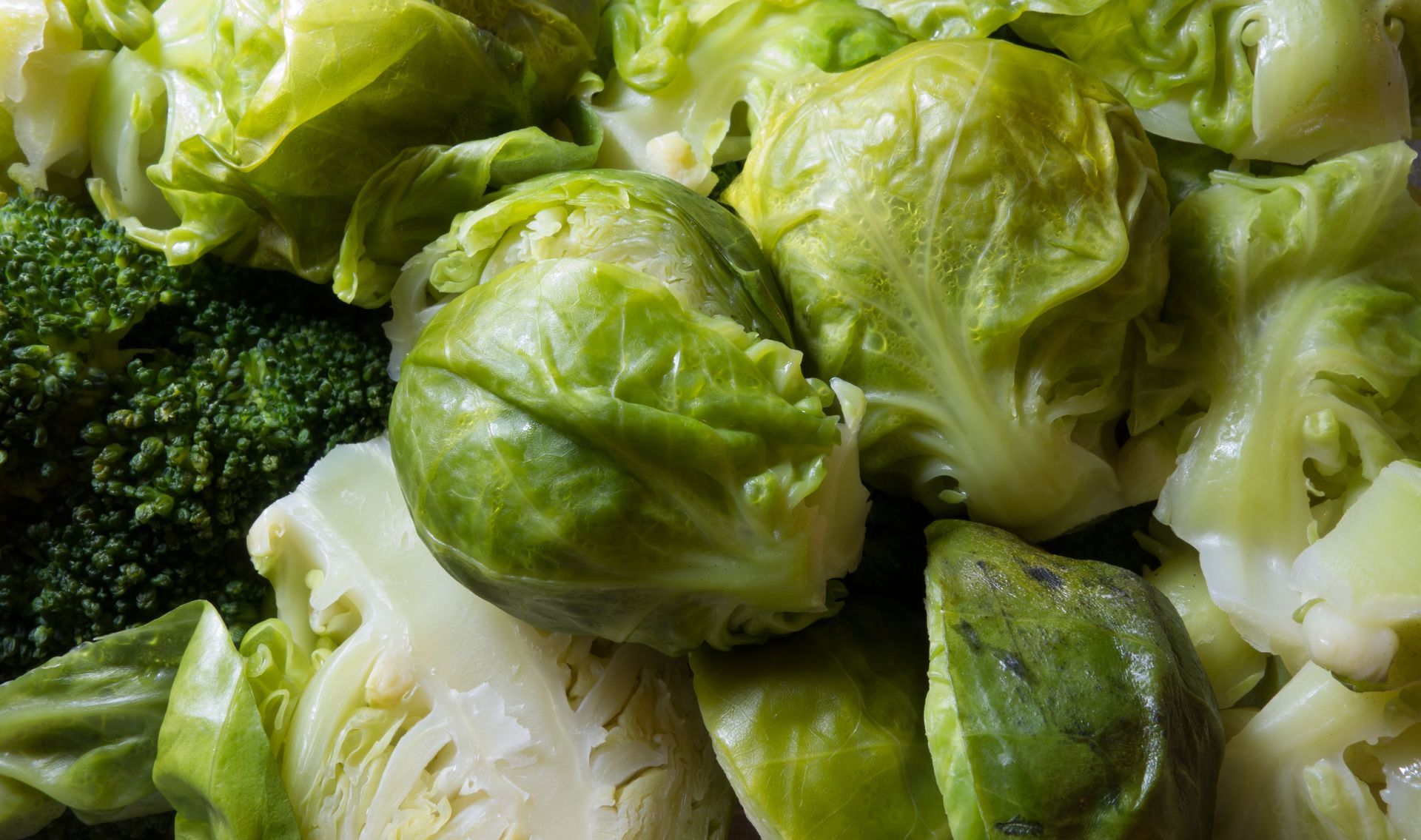
- Vegetables: Spinach, broccoli, and Brussels sprouts
- Meats: Red meat and organ meats (e.g., beef or chicken liver and heart)
- Other: Brewer's yeast and nutritional yeast
Dr. Berkson passed away at the age of 85 in 2024 working till the very end in his clinic in Las Cruces, NM.