Heartburn
Author - Larry A. Law

Heartburn

GERD (Gastroesophageal Reflux Disease) is a chronic digestive condition where stomach acid or bile repeatedly flows back into the esophagus. This continuous backwash irritates the esophageal lining, frequently causing the burning chest sensation known as heartburn, as well as regurgitation and a sour taste. It is easy to see how the idea came to be that if we have GERD, Heartburn or Acid Reflux, this means we have too much stomach acid.
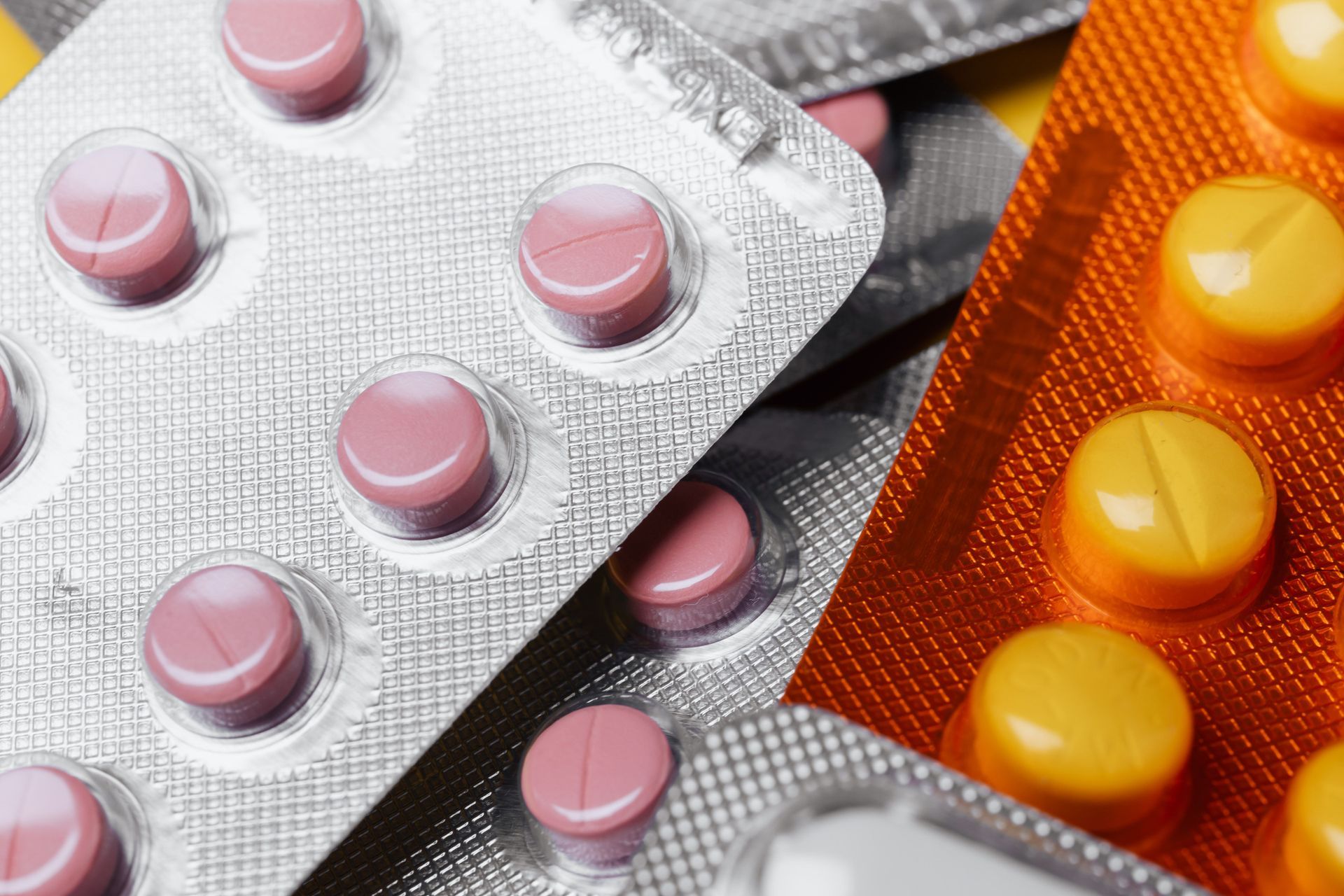
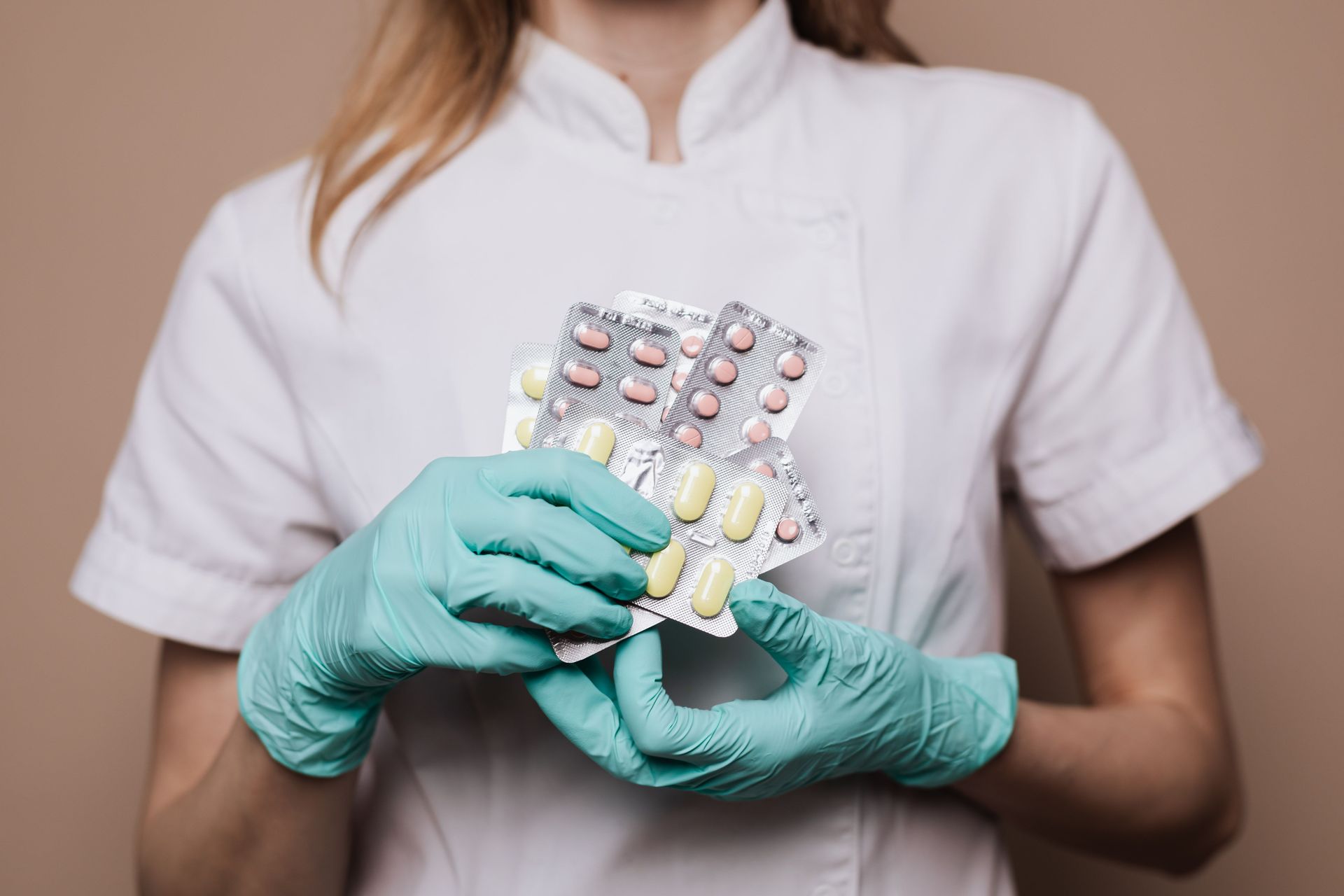
Because of this, many people take stomach acid neutralizers or acid blockers, known as PPIs, to make their stomach less acidic and calm it down. Proton pump inhibitors (PPIs) are a class of medications that dramatically reduce the production of stomach acid by blocking the enzymes in the stomach wall responsible for acid secretion. PPIs are available both over-the-counter (OTC) and by prescription, with most medication names ending in "-zole": Omeprazole (Prilosec), Esomeprazole (Nexium), Lansoprazole (Prevacid), Pantoprazole (Protonix), Rabeprazole (Aciphex). While effective, long-term use of PPIs can lead to serious complications, including:
- Nutrient deficiencies: Lower acid levels can impair the body's ability to absorb Vitamin B12, magnesium, and calcium.
- Bone fractures: Reduced calcium absorption may increase the risk of hip, wrist, or spine fractures.
- Kidney issues: Increased risk of acute interstitial nephritis or chronic kidney disease.
- Infections: Altered gut acidity can make the digestive system more susceptible to infections like C. difficile.
The following information about digestion basics and acid blockers is extracted from an article in BodyHealth that explains the hidden truth. It is not high levels of stomach acid that cause acid reflux and GERD, but the exact opposite—too little stomach acid. This lessened stomach acid leads to foods, especially proteins, not being fully broken down into a form our bodies can use. So, we don't get the nutrients we need, no matter how much we eat. And, harmful bacteria are allowed to take root in our stomach and intestines, raising cortisol levels, lowering energy levels, stealing nutrients needed by the cells, preventing muscle gain, causing sugar cravings and more.
Digestion Basics
When we eat, our stomach secretes digestive acid and enzymes. These are necessary to break down the food into a form the cells can use, break down minerals so they can be used, and kill off harmful bacteria, viruses, fungi, and parasites coming in through food and water.
Stomach acidity levels are measured by the pH scale. The scale goes from 1-15, with 1 being the most acidic and 15 being the least acidic. The pH scale is logarithmic, which means that each whole number is ten times larger than the number before.
When we eat, our stomach secretes acid until it hits a pH of about 1 or 2 (very acidic). Hitting this point signals that the food has been broken down enough and is ready to move on into the small intestine, which opens to let it in.
However, if the stomach doesn't reach this level, then the food can stay in the stomach longer and go rancid (if you drank milk and then looked at it in the stomach it would look like cottage cheese, not milk anymore). When it goes rancid it can start to bubble and hit the esophagus. And while the stomach is made to withstand a very acidic environment, the esophagus is not, so it burns. It can get so bad that the valve between the stomach and esophagus becomes degraded and may start to let acid in with or without food in the stomach just because you laid down or bent over.
Because pH is logarithmic, a pH of 2 is 10 times less acidic than a pH of 1. And a pH of 3 is 10 times less acidic than a pH of 2, or… 100 times less acidic than a pH of 1. That's a big difference. If a pH of between 1 and 2 is needed, that's pretty strong. But if we're only at a pH of 3, that's not just weaker, it's much weaker. It's much harder to break down foods, so heartburn and acid reflux are much more likely to occur. Unfortunately, today, many people have a pH of 4 or 5 — 1000 to 10,000 times less acidic than what is needed. This sets the stage for acid reflux to occur.
Getting to a pH of between 1 and 2 isn't only necessary to break down foods and minerals. It's also to kill off harmful bacteria, viruses, fungi and parasites that come in with our food and water. Thus, a pH of 4 or 5 can let millions of bacteria make it through to the small intestine where they take root, eating food, and creating the gas that makes us feel bloated. These unwanted 'invaders' also break down or corrupt the cells of our intestinal wall, causing raised cortisol levels and, over time, Leaky Gut, which then allows them and other toxins to enter our blood stream.
Acid Blockers
Antacids operate by neutralizing the acid in the stomach—they raise the pH level making the environment less acidic. This lower acidity then alleviates the pain of heartburn as things are less acidic. But it also lets through these harmful bacteria and prevents food breakdown, including protein breakdown.
That last point is a big problem because the stomach acid is made from the amino acids we get in protein. So, if they're not fully broken down, then the body can't use them to make more stomach acid. Thus, we get this continued lowering of stomach acid production over time, leading to a less and less acidic environment. We get more heartburn and so take even more antacids. This does not help us.
Most boxes of Acid Blockers/PPIs say to only take for 6-8 weeks or so. But many people keep taking them for months and years. This results in major impairment of the digestive tract. PPIs operate by poisoning the glands that secrete acid. These glands can become so damaged that even when people come off the PPIs it can take a long time for the glands to heal so they produce acid properly again.
Dr. Kevin Passero is a leading functional medicine expert and practicing naturopathic physician for 20 years in the Washington, DC metro area. He outlines seven surprising causes of heartburn and acid reflux for those who still deal with the issue after eliminating the obvious food triggers:
1. Stress and Anxiety
“When you're under stress, your body goes into “fight or flight” mode, which can slow digestion and increase stomach acid. In addition, stress hormones like cortisol suppress key pathways in your body that protect your stomach lining from damage. Stress also tightens your abdominal muscles and can cause shallow breathing, both of which may worsen reflux symptoms. Practice stress-relieving techniques like deep breathing, prayer, mindfulness meditation, journaling or going for a walk.”
2. Low Stomach Acid (Not High!)
“Surprisingly, not all acid reflux is due to excess acid. In some cases, it’s caused by too little stomach acid, which reduces the muscle tone of the lower esophageal sphincter (LES) and impairs digestion. These factors cause food to sit longer in the stomach—creating pressure that pushes acid upward and reduces the efficacy of the natural mechanism that keeps acid contained in the stomach.”
3.
Certain Medications
“Some everyday medications can relax the lower esophageal sphincter (LES) or irritate the esophagus, triggering reflux. These include:
- NSAIDs (e.g., ibuprofen)
- Blood pressure meds (especially calcium channel blockers)
- Sedatives or sleep aids
- Asthma medications
- Antidepressants (some SSRIs)”
4. Poor Posture (Especially After Meals)
“Sitting or slouching right after a meal can increase pressure on your stomach and encourage acid to back up into your esophagus. It’s especially common for those who work at a desk all day or curl up on the couch after dinner. Sit upright during and after meals or, better yet, take a short walk after eating to support digestion.”
5. Tight Clothing
“Yes, what you wear can affect your digestion! Tight jeans, belts, shapewear, or compression garments can put extra pressure on the abdomen, making reflux more likely—especially if worn after a big meal.”
6. Sleeping on the Wrong Side
“Your sleep position can either help or hurt reflux. Your stomach is shaped like a bean lying on its side. Sleeping on your left side keeps the acid in the lowest part of that bean where gravity naturally helps to prevent acid from refluxing into the esophagus. It also encourages faster stomach emptying which further reduces the potential for reflux. Lying on your right side relaxes the LES making it easier for stomach acid to escape because the stomach is positioned higher than the esophagus. Train yourself to sleep on your left side with a body pillow or wedge, and keep your head elevated 6-8 inches. For elevation, make sure to use a wedge pillow rather than regular pillows which can make things worse by bending your body at the waist.”
7. Chewing Peppermint Gum or Drinking Peppermint Tea
“While chewing gum is often recommended to increase saliva and aid digestion, peppermint is a known trigger. It relaxes the LES, which can worsen reflux. This is also why peppermint tea is not a great idea after meals if you are struggling with reflux. Choose non-mint, sugar-free gum like cinnamon or fruit-flavored instead and stick to non-mint tea blends.”
Recent Posts