
Side Effects of Statin Drug Use
Author - Larry A. Law

Side Effects of Statin Drug Use
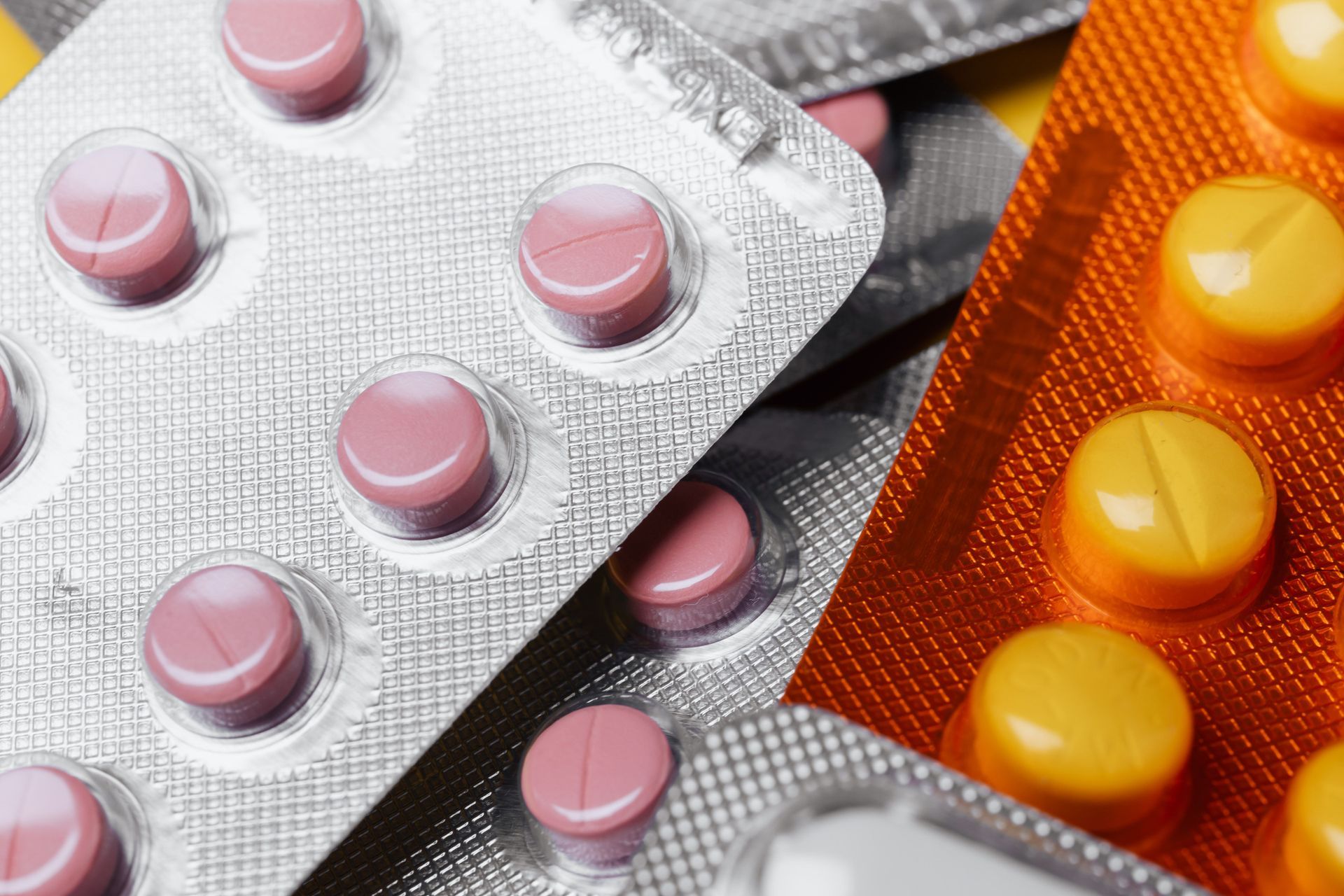
Under the new 2026 cholesterol “prevention” guidelines, what will be the harm done to someone starting cholesterol lowering drugs at age 35 and taking them continuously for the next 40 years? How about the following: statin drugs can cause and exacerbate brain disorders and disease! Memory dysfunction is a known side effect of statins. Dr. Duane Graveline, a NASA astronaut and Air Force Flight Surgeon earned the nickname “Spacedoc.” He experienced two Transient Global Amnesia (TGA) events. The first one occurred after he had been on Lipitor for 6 weeks and resulted in a memory lapse lasting several hours—he went for a walk, got lost, and didn’t know his wife. During the second one he regressed to his teens.
Ever since he experienced total memory loss that he believed was caused by the statins he was taking at the time, he has been collecting evidence of their side effects from people around the world. As a result of his work, in February 2012, the FDA released a statement indicating that statin drugs could cause cognitive side effects such as memory lapses and confusion—both significant side effects that had previously been denied. Graveline has authored eight books on the danger of statins including Lipitor®, Thief of Memory, Statin Drugs Side Effects, Statin Damage Crisis, and The Dark Side of Statins.
Statin drugs brand names include Lipitor, Zocor, Crestor, Mevacor, Pravachol, Lescol, and Vytorin. They are the most profitable drug in the history of pharmacology ($30 billion+).
Despite claims that statin drugs are safe, their side effects include:
Reductase inhibition, which impacts mevalonate pathway—cell membrane maintenance, hormones, protein anchoring, and N-glycosylation (this is a critical function in the science of glycobiology)
Studies document:
Memory loss in 100% of patients after 6 months
30% of patients who stopped statins within 1-3 years suffered
88% increase in dementia and 154% increase in Alzheimer’s
Congestive heart failure
CoQ10 deficiency—induced mitochondrial mutations
Polyneuropathy
Rhabdomyolysis—fatal condition involving destruction of muscle tissue similar to Amyotrophic lateral sclerosis (ALS)
The American Medical Association published in the Archives of Internal Medicine in January 2012 a study demonstrating an astounding 48% increased risk of diabetes among women taking statin medications. The study looked at 160,000 postmenopausal women. Recognizing that type 2 diabetes is a powerful risk factor for Alzheimer’s disease, a relationship between statin drugs and cognitive decline or cognitive dysfunction is certainly understandable.
Professor of Biophysics at Iowa State University, Dr. Yeon-Kyun Shin is a noted authority on cholesterol. He put it bluntly in an interview for ScienceDaily:
“If you deprive cholesterol from the brain, then you directly affect the machinery that triggers the release of neurotransmitters. Neurotransmitters affect the data-processing and memory functions. In other words—how smart you are and how well you remember things. If you try to lower the cholesterol by taking medication that is attacking the machinery of cholesterol synthesis in the liver, that medicine goes to the brain too. And then it reduces the synthesis of cholesterol, which is necessary in the brain. Our study shows there is a direct link between cholesterol and the neurotransmitter release, and we know exactly the molecular mechanics of what happens in the cells. Cholesterol changes the shape of the proteins to stimulate thinking and memory.”
UCLA researcher Beatrice Golomb stated, “…cognition is clearly and reproducibly adversely affected by statins.” No trial has ever shown a positive outcome. Another way statins may contribute to Alzheimer’s was described by Dr. Seneff as paralyzing the cells’ ability to make coenzyme Q10, a vitamin-like substance found throughout the body, where it serves an important role as an antioxidant and in producing energy for cells. Because coenzyme Q10 shares the same metabolic pathway as cholesterol, its synthesis is disrupted by statins, and the body and brain are deprived of it.
Some of the side effects listed for statins, such as fatigue, shortness of breath, problems with mobility and balance, and muscular pain, weakness, and atrophy, are related to the loss of CoQ10 in muscles and a reduced capacity for energy production. A deficiency of CoQ10 has been linked to heart failure, hypertension, and Parkinson’s disease. With all this, you can see why CoQ10 has been proposed as an actual treatment for Alzheimer’s disease.
A study published in January 2010 in the American Journal of Cardiology found that statin medications actually increased the risk of death. Researchers in Israel followed 300 adults with heart failure and found that those taking statin drugs had the lowest levels of LDL and had the highest rates of mortality. Conversely, people with higher levels of cholesterol had a lower risk of death. (G. Charach, et al., “Baseline Low-density Lipoprotein Cholesterol Levels and Outcome in Patients with Heart Failure,” American Journal of Cardiology 105, no. 1 (January 1, 2010): 100-04.)
When you have a blood cholesterol test, the number that is represented is actually 75 to 80% derived from what your body manufactures and not necessarily from what you’ve eaten. Foods that are high in cholesterol actually decrease the body’s production of cholesterol. We all make up to 1,000 milligrams of cholesterol every day because we desperately need it, and this is several times the amount found in our diets. But despite this amazing ability, it’s critical to obtain cholesterol from dietary sources. Our bodies prefer that we “spoon-feed” our cholesterol from the foods we eat rather that making it through backup systems in a complex multistep biological process that taxes the liver. Dietary cholesterol is so important that your body absorbs as much as it can for use.
When you restrict your cholesterol intake, the body sends out an alarm that indicates a crisis. Your liver senses this signal and begins to produce an enzyme called HMG-CoA reductase, which helps make up for the deficit by using carbohydrates in the diet to produce an excess supply of cholesterol. This is the same enzyme that statins target! As you eat excessive carbohydrates while lowering your cholesterol intake, you incite a steady and punishing overproduction of cholesterol in the body. The only way to stop this internal pathway run amok is to consume an adequate amount of cholesterol and radically reduce the intake of carbohydrates.
Cholesterol is at most a minor player in coronary heart disease and represents an extremely poor predictor of heart attack risk. Over half of all patients hospitalized with a heart attack have cholesterol levels in the “normal” range. The idea that aggressively lowering cholesterol levels will somehow magically and dramatically reduce heart attack has been fully and categorically refuted. The most important modifiable risk factors related to heart attack risk include smoking, excess alcohol consumption, lack of aerobic exercise, overweight, and a diet high in carbohydrates.
Who suffers from high cholesterol?
Thirty years ago, anyone whose cholesterol was more than 240 and had risk factors such as being overweight or smoking qualified. In 1984, the Cholesterol Consensus Conference changed the definition to anyone over 200 regardless of other risk factors. In 2026 the medical system’s cholesterol thresholds are laid out as follows:
Total Cholesterol: Ideally below 200 mg/dL.
LDL ("Bad") Cholesterol: Should be below 100 mg/dL for most healthy adults, and below 70 mg/dL or even 55 mg/dL for those with pre-existing conditions (such as diabetes or a history of heart disease).
HDL ("Good") Cholesterol: Higher is better. Levels of 60 mg/dL and above.
Triglycerides: Should be below 150 mg/dL.
If you’ve had a heart attack, you’re in a totally different category. No matter what your cholesterol level is, you’ll be prescribed a statin drug and told to maintain a low-fat diet.
Despite all the efforts to lower cholesterol since the 1980s, heart disease remains the leading cause of death in the United States—700,000/year in the U.S. and 20 million worldwide. There is a reason statin drugs are the most profitable drug ever and they will only become more profitable with the 2026 guidelines for “prevention.”
Lipfendra
In July 2026, the FDA approved the first daily pill that lowers “bad” cholesterol as sharply as the most powerful cholesterol treatment currently endorsed by the medical system—a shot administered every two weeks. The shot (and the pill) lower LDL about 60%. Thus, the daily pill can replace the bi-weekly shot.
The shot and this pill are not statin drugs. While statins reduce cholesterol production in the liver, the shot and Lipfendra block a specific glycoprotein called PCSK9 which is secreted by the liver and released into the blood. PCSK9 inhibitors lower LDL ("bad") cholesterol by blocking the PCSK9 protein. Normally, PCSK9 destroys liver cell receptors that clear LDL from the blood. By disabling this protein, the drug leaves more receptors active on the liver surface, drastically increasing the clearance of LDL from the bloodstream.
Despite dramatically reducing LDL, answers as to whether the shot or Lipfendra actually prevent heart attacks, strokes, or deaths won’t be determined until late 2029 when trial results are reported. It will be interesting to see if the side effects of dramatically lowering cholesterol rapidly increase dementia and Alzheimer’s disease (as well as heart disease). Stay tuned!
Recent Posts