


Phytoestrogens-Good or Bad for You?

Author -  Larry A. Law

November 29, 2022
Print Friendly and PDF

Share this article:

Ocean Robbin of the Food Revolution Network published an article questioning the prevailing dogma that phytoestrogens in foods are bad for you. Soy, in particular, has been demonized for years as a possible trigger for breast cancer, female infertility, and male feminization. Soy milk and soy-based veggie burgers were made objectionable. But a review of the science finds very little to support that opinion. The evidence appears to support that the foods highest in phytoestrogens tend to be good for heart and brain health and actually fight cancer. How did scientists get it so wrong?

Phytoestrogens versus Xenoestrogens

Phytoestrogens are estrogens from plants. They are classified as polyphenols, flavonoids and isoflavones. Xenoestrogens are made entirely from synthetic chemicals and are in solvents, plasticizers and flame retardants. Definitely avoid xenoestrogens. Plant-based phytoestrogens can sometimes act like estrogen in the body, but at other times they actually block the effects of estrogen.

How Can They Both Promote Estrogen and Block It?

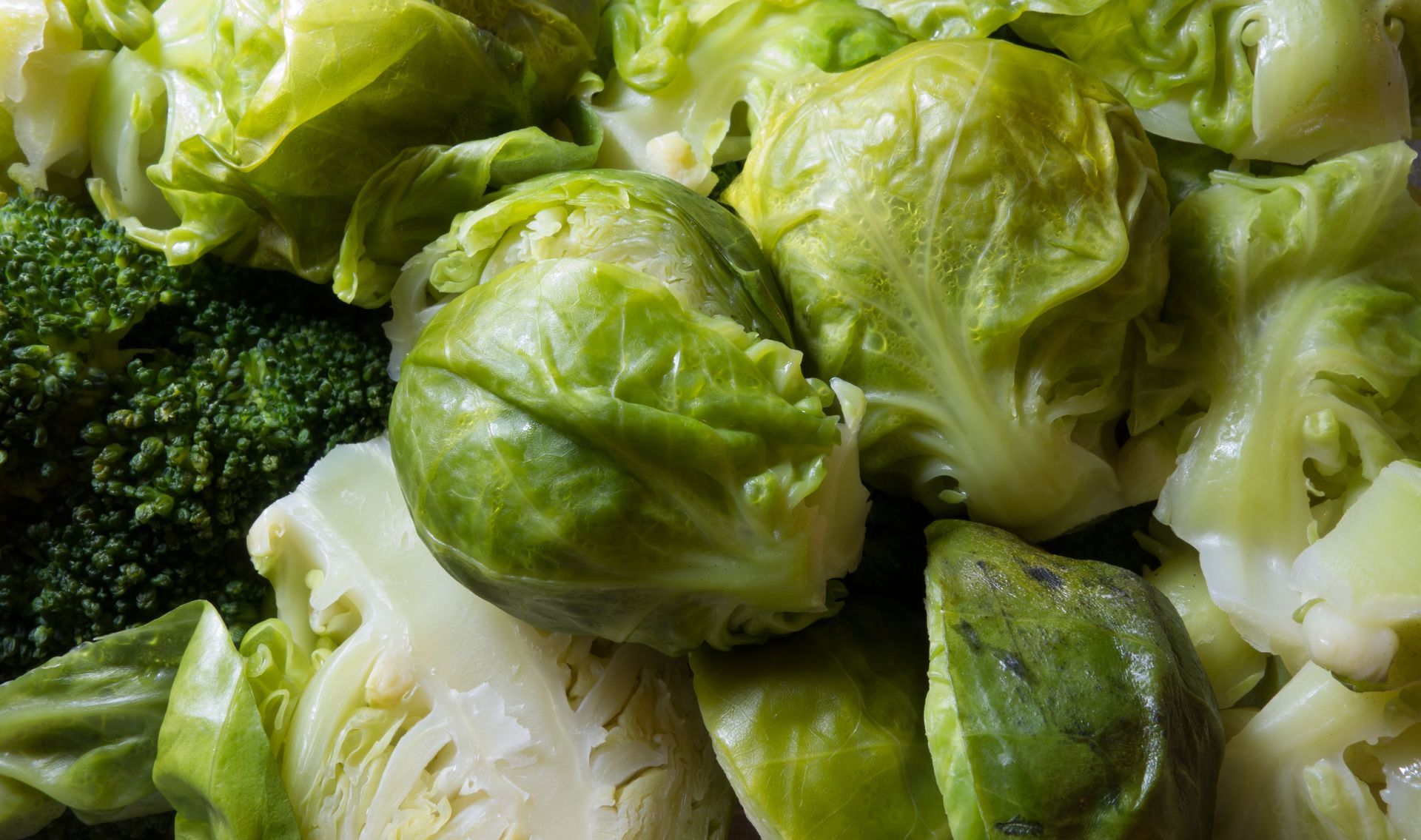
Phytoestrogens are found in soy, legumes, sprouted foods, nuts and seeds, whole grains, garlic and onions, winter squash, cruciferous vegetables, leafy greens and fruit (fresh and dried). How could something that is in so many foods be that bad for you? Phytoestrogens are structurally very similar to estradiol which is the main form of estrogen in the body. So, they can bind to estrogen glycoprotein receptors on the cells which gives them the ability to increase or block estrogen activity. But plant phytoestrogen is much weaker than true estrogen. It is about 1,000 times weaker or less potent than the estrogen the body makes. Because of this ability to bind to the receptor, phytoestrogen can block true estrogen and thus prevent estrogen from exerting its effects. So, this is how phytoestrogens actually oppose or lessen the effects of estrogen on the cells--and that can be very positive. This was something scientists missed in their earlier analysis. A study in 2014 found that soy lowered the risk of breast cancer in both pre- and postmenopausal women. This study baffled scientists who thought soy would always increase estrogen effects.

Benefits of Phytoestrogens

Robbins points out in his article that phytoestrogens have now been shown to lower the risk of cardiovascular disease and breast cancer. Dr. Kristi Funk, author of Breasts: The Owner's Manual , concluded, "Not only is soy safe, it literally drops breast cancer rates by 60% for soy consumers. And if you have breast cancer, it drops recurrence by 60%." Studies show that soy isoflavones (phytoestrogens) are protective against breast cancer because they attach to the estrogen B cells, blocking the A cells that cause cancer. In addition, phytoestrogens relieve menopause symptoms, help facilitate weight management, improve skin health, cognitive function and immune system support.

Increasing or Decreasing Phytoestrogens in Food

It turns out you can adjust the level of phytoestrogens in your food according to your desire. Fermenting soy can significantly reduce the levels of phytoestrogens. Prolonged cooking, simmering, or soaking will also reduce levels. Steaming results in less phytoestrogen loss than boiling or frying. But remember that a healthy gut will play a key role in the bioavailability of phytoestrogens. For more details on overturning this false belief about phytoestrogens, see Ocean Robbin's exceptional article. It's time to include soy once again in your balanced, healthy diet, but make sure it is non-GMO and organic for the best possible benefit with no negative side-effects.

Recent Posts

By Larry Law March 31, 2026
Kitchen cooking oils will not last forever. Depending upon the oil, it can go rancid in a matter of months or a few years. You don't want to cook with rancid oil because it smells like wet socks and the living components have lost their vitality. But the good news is, expired oil won't hurt you. There is no water in it, so no mold can grow to make it rotten and dangerous. It can still be used for creative applications. According to the United States Department of Agriculture Forest Service, “Vegetable oils have many good natural properties including good lubricity, good resistance to shear, a high flash point, and a high viscosity index.” These qualities make them quite versatile in a number of applications. You might consider keeping your old oil rather than throwing it out. Recycling expired oil could prove to be a valuable asset in emergency situations.
By Larry Law March 17, 2026
Disposable face masks, such as those health officials encouraged (or in some cases, mandated) the public to wear during the COVID-19 pandemic, are made of synthetic fibers and may contain chemical compounds. Many people have questioned the wisdom of wearing masks made of synthetic fibers for long periods, asking whether inhaling the chemical compounds masks release could lead to health problems.
By Larry Law March 3, 2026
Deaths from Alzheimer's more than doubled between 2000 and 2019. In 2023, nearly 7 million Americans have been diagnosed with the disease. Today, 1 in 3 seniors dies with Alzheimer's or dementia—the death toll exceeds the total of breast- and prostate cancer combined. Officially, it's the sixth-leading cause of death, but a 2014 study suggests that it is actually one of the top three (just behind heart disease and cancer). The discrepancy being how death certificates underreport the disese because they record the more immediate cause of death (pneumonia or heart attack) rather than listing the underlyings causes.
By Larry Law February 17, 2026
True confessions: I never liked flossing, so I rarely used the string. Angie used all of the flossing strings I collected from the dentist to cut the dough when making cinnamon rolls—I thought that was a better and tastier use! I always brushed my teeth (manually and with a battery operated toothbrush). My teeth felt clean enough, but still, I had a lot of dental guilt every 6 months when I had to admit I wasn't flossing. A few years ago, I found a device that removed all my guilt and shame! I discovered the waterpik. A waterpik (also known as a dental water jet) is a brand of water flosser or oral irrigator that sprays water to remove food from between your teeth. Water flossers are a fabulous option for people who have trouble with traditional flossing—the kind that involves threading string-like material between your teeth. The girl in the picture looks like me trying to floss!
By Larry Law February 3, 2026
Shingles is a viral infection caused by the activation of the varicella-zoster virus (VZV), also called human herpesvirus 3. That's the same virus that causes chickenpox. If you have ever had chickenpox, you were exposed to the varicella-zoster virus, which stays in your body for the rest of your life. If this occurs, the virus can reactivate as shingles years later. Being exposed to children with chickenpox keeps adult immunity up and reduces the chance of shingles in the future. Unfortunately, because we have largely eliminated chickenpox in kids, there is no repeated exposure to the virus to keep shingles at bay. The medical community has traded a kid's disease with few side effects for an adult disease with a lot of pain and discomfort. The VZV is a member of the herpes family of viruses. When shingles develops, it affects the nerves throughout the body resulting in painful, uncomfortable symptoms.
January 20, 2026
There are no easy answers for those who struggle with sleeping at night. Without a good night's sleep, our body's repair systems begin to struggle. A hormone we are familiar with has a little-known role in managing sleep. Cortisol is a steroid hormone that helps the body respond to stress and danger. It's also known as the "stress hormone" and is produced in the adrenal glands, which sit on top of each kidney. The hypothalamus-pituitary-adrenal axis regulates cortisol production and secretion. But I didn't realize it played an important role in keeping us from sleep.
By Larry Law December 9, 2025
Lupus is a chronic autoimmune disease that causes the body to attack its own tissues and organs, including the joints, skin, kidneys, blood cells, brain, heart, and lungs. According to traditional medicine, there is no cure for lupus. The work of the GRM demonstrates that there is hope through nutritional glycobiology. Current lupus medical treatments often target symptoms or broadly suppress the immune system, leading to side effects. However, Marina Zhang, an outstanding health reporter with The Epoch Times, reported that according to a Nature study published in 2024, science has discovered that patients with lupus have an imbalance in a crucial chemical pathway in their bodies. Researchers found that this imbalance produces more disease-causing cells that promote lupus. If this chemical imbalance can be corrected, they believe lupus can be reversed.
By Larry Law November 25, 2025
A recent study on sialic acid (a sugar) shines a bright light on an established risk factor for cancer. Scientists and doctors have known long-term consumption of red meat (beef, pork and lamb) is highly correlated to cancer. For years, researchers have looked for specific mechanisms in the meat that would cause human carcinomas. Grilling red meat was thought to create DNA damage due to mutagens, which are chemicals that mutate DNA. But that theory didn’t pan out. Grilling poultry and fish generates the same mutagens, but fish and poultry are not associated with an increased risk of cancer. ​
By Larry A. Law November 11, 2025
A false paradigm is a belief system that is incorrect. For centuries, people believed the sun went around the Earth. People looked up in the sky and it happened every day without fail. However, it was Copernicus in 1543 and Galileo in the 1600s who finally advanced the idea that what everyone saw each day was an illusion: the Earth actually went around the sun. Mark Twain stated, "It's not what we don't know that prevents us from succeeding; it's what we KNOW that just ain't so." I will discuss 5 false paradigms below.
Show More