
The Controversy Around Celery Powder

Author -  Larry A. Law

October 10, 2023
Print Friendly and PDF

Share this article:

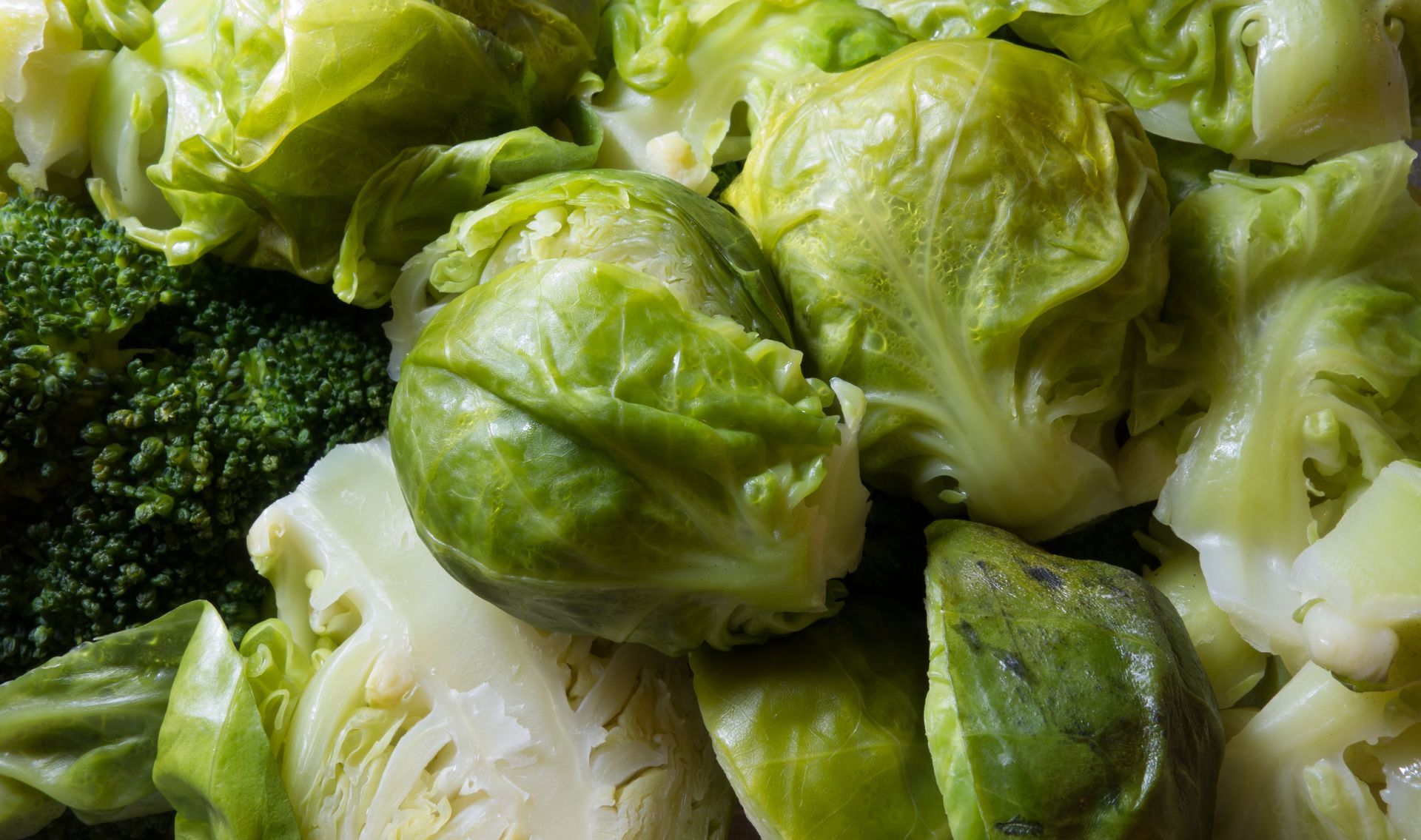
How could there be any controversy around apium graveolens-- better known as celery? It's a vegetable with a long fibrous stalk tapering off into leaves. Put some peanut butter on it and it is a tasty, healthy snack. It has many powerful health benefits. Celery is chock-full of antioxidants like quercetin, vitamin C (which the body converts into serotonin to brighten mood), and minerals like calcium, potassium, magnesium, and zinc. It is one of the top non-dairy sources of a nutritional carbohydrate called galactose (one of the eight glycobiology sugars we talk about in our Wellness Journey Class ). It lowers inflammation, blood pressure (hypertension), and is antibacterial—fighting bacteria like e. coli responsible for urinary tract infections.

Celery Powder

The Department of Agriculture's (USDA) National Organic Standards Board (NOSB) voted in October 2019 to continue keeping celery powder on its list of approved organic ingredients for the next five years. No problem, right? Apparently not. Some consumer advocacy groups ( Consumer Reports and the Center for Science in the Public Interest (CSPI)) are pushing for celery powder's removal.

Celery powder is not just a plant-based seasoning. It is highly effective in curing processed meats (sausage, deli turkey, bologna, bacon, ham, hot dogs, etc.) because it contains naturally occurring nitrates. Unlike synthetic nitrates and nitrites, which accomplish similar purposes for the meat curing industry, celery powder is treated differently by the USDA because it is a natural, organic ingredient. Meats 'cured' with this powder are allowed to be labeled as 'uncured' or 'nitrate-free.' Consumer Reports and CSPI want brands like Applegate and Niman Ranch to stop labeling their celery-enhanced products as "uncured." These consumer groups feel that naturally cured meats are no safer or healthier than the industry's artificially cured meats. In their mind, artificial, synthetic, man-made nitrites are equivalent to the nitrites in celery.

Though technically distinct, the terms nitrates and nitrites are often lumped together on food labels and in discussions concerning their effects. Synthetic chemical compound examples are potassium nitrate and sodium nitrite. Both have been industrially used for several decades to suppress harmful bacteria in processed meats that could cause botulism. They also give processed meats a pinkish hue—bologna would be dirty gray in color if it didn't have these preservatives added. They also extend shelf life and add a singular, hard-to-describe, distinctive flavor to the meat. In the 1980s, consumer fears of harmful bacteria morphed into concerns over potentially carcinogenic preservatives. In the 1990s, celery powder came into favor because of its mild flavor and high concentration of natural, food-based nitrites. If one used radishes or beet powder, the meat would taste like beets and be an unsightly red. With mild celery powder, Whole Foods could sell a package of uncured bacon using celery powder that left it looking and tasting like bacon while stating "no nitrites or nitrates added" (just a little asterisk saying "except for those naturally occurring nitrates and nitrites in celery powder"). Health-conscious consumers felt much better about that.

Synthetic and Inorganic Versus Natural, Plant-Based Vitamins and Minerals

But recently, consumer advocates have tried to build a case saying that whether nitrites are man-made or come from celery or other vegetables, they are virtually the same chemical and undistinguishable to the human body. But this is not true. Our GrassRoots Movement (GRM) shines a light on this error. Despite what the pharmaceutical industry says, there is a huge difference between natural and synthetic vitamins and inorganic and plant-based minerals. Our Consumer Awareness Guide and our Wellness Journey Class explain how they differ. Even though the essence of the vitamin and/or mineral appears to be the same chemical structure, the surrounding food matrix and different geometrical orientations cause the body to react in ways that completely alter the metabolic processes involved. Numerous studies published in medical journals like the New England Journal of Medicine demonstrate that normal doses of laboratory-created, synthetic vitamins increase mortality by 47%, death from lung cancer by 46%, death from cardiovascular disease by 26%, and birth defects by 400%. Natural, plant-based vitamins and minerals never show harm at any dosage. Clearly, synthetic and inorganic vitamins and minerals are not the same as natural, plant-based ones.

Common sense leads the honest investigator to realize that eating the same natural ingredients in celery or using powdered celery are not going to cause a disastrous side effect all of a sudden. As long as the processing does not alter the chemical structure of the natural ingredients, eating a stalk of celery or eating celery ground into a powder will both be safe and nutritious. If that were not true, then it would be such an easy test to perform—one wonders why no one has ever done it yet. The answer is that synthetic and inorganic vitamins and minerals are a multi-billion dollar industry. The industry doesn't fund a question that they don't want the answer to! Especially one that would throw unwanted attention on their scientific malfeasance and harm they have caused humanity. So, it will remain controversial as both positions lobby for their side.

Processed Meats Are Carcinogenic

Another concern that outweighs the controversy about nitrates involves cancer. The World Health Organization (WHO) has classified processed meats as a Group 1 Carcinogen, meaning they absolutely cause cancer. You can see my webinar here for details. No one knows for sure why they are so dangerous, but many scientists suspect the synthetic nitrate preservatives used. All of this information can be disturbing. Why doesn't the government convey these concerns to the public? At the very least, they could place warning labels on processed meats. In the meantime, to be safe, it is probably wise to limit your exposure to processed meats and make sure you have a diet based primarily on vegetables (i.e., eat meat sparingly—see my webinar on Red Meat and Cancer for information on which meats are safest and why).
Recent Posts

By Larry Law March 31, 2026
Kitchen cooking oils will not last forever. Depending upon the oil, it can go rancid in a matter of months or a few years. You don't want to cook with rancid oil because it smells like wet socks and the living components have lost their vitality. But the good news is, expired oil won't hurt you. There is no water in it, so no mold can grow to make it rotten and dangerous. It can still be used for creative applications. According to the United States Department of Agriculture Forest Service, “Vegetable oils have many good natural properties including good lubricity, good resistance to shear, a high flash point, and a high viscosity index.” These qualities make them quite versatile in a number of applications. You might consider keeping your old oil rather than throwing it out. Recycling expired oil could prove to be a valuable asset in emergency situations.
By Larry Law March 17, 2026
Disposable face masks, such as those health officials encouraged (or in some cases, mandated) the public to wear during the COVID-19 pandemic, are made of synthetic fibers and may contain chemical compounds. Many people have questioned the wisdom of wearing masks made of synthetic fibers for long periods, asking whether inhaling the chemical compounds masks release could lead to health problems.
By Larry Law March 3, 2026
Deaths from Alzheimer's more than doubled between 2000 and 2019. In 2023, nearly 7 million Americans have been diagnosed with the disease. Today, 1 in 3 seniors dies with Alzheimer's or dementia—the death toll exceeds the total of breast- and prostate cancer combined. Officially, it's the sixth-leading cause of death, but a 2014 study suggests that it is actually one of the top three (just behind heart disease and cancer). The discrepancy being how death certificates underreport the disese because they record the more immediate cause of death (pneumonia or heart attack) rather than listing the underlyings causes.
By Larry Law February 17, 2026
True confessions: I never liked flossing, so I rarely used the string. Angie used all of the flossing strings I collected from the dentist to cut the dough when making cinnamon rolls—I thought that was a better and tastier use! I always brushed my teeth (manually and with a battery operated toothbrush). My teeth felt clean enough, but still, I had a lot of dental guilt every 6 months when I had to admit I wasn't flossing. A few years ago, I found a device that removed all my guilt and shame! I discovered the waterpik. A waterpik (also known as a dental water jet) is a brand of water flosser or oral irrigator that sprays water to remove food from between your teeth. Water flossers are a fabulous option for people who have trouble with traditional flossing—the kind that involves threading string-like material between your teeth. The girl in the picture looks like me trying to floss!
By Larry Law February 3, 2026
Shingles is a viral infection caused by the activation of the varicella-zoster virus (VZV), also called human herpesvirus 3. That's the same virus that causes chickenpox. If you have ever had chickenpox, you were exposed to the varicella-zoster virus, which stays in your body for the rest of your life. If this occurs, the virus can reactivate as shingles years later. Being exposed to children with chickenpox keeps adult immunity up and reduces the chance of shingles in the future. Unfortunately, because we have largely eliminated chickenpox in kids, there is no repeated exposure to the virus to keep shingles at bay. The medical community has traded a kid's disease with few side effects for an adult disease with a lot of pain and discomfort. The VZV is a member of the herpes family of viruses. When shingles develops, it affects the nerves throughout the body resulting in painful, uncomfortable symptoms.
January 20, 2026
There are no easy answers for those who struggle with sleeping at night. Without a good night's sleep, our body's repair systems begin to struggle. A hormone we are familiar with has a little-known role in managing sleep. Cortisol is a steroid hormone that helps the body respond to stress and danger. It's also known as the "stress hormone" and is produced in the adrenal glands, which sit on top of each kidney. The hypothalamus-pituitary-adrenal axis regulates cortisol production and secretion. But I didn't realize it played an important role in keeping us from sleep.
By Larry Law December 9, 2025
Lupus is a chronic autoimmune disease that causes the body to attack its own tissues and organs, including the joints, skin, kidneys, blood cells, brain, heart, and lungs. According to traditional medicine, there is no cure for lupus. The work of the GRM demonstrates that there is hope through nutritional glycobiology. Current lupus medical treatments often target symptoms or broadly suppress the immune system, leading to side effects. However, Marina Zhang, an outstanding health reporter with The Epoch Times, reported that according to a Nature study published in 2024, science has discovered that patients with lupus have an imbalance in a crucial chemical pathway in their bodies. Researchers found that this imbalance produces more disease-causing cells that promote lupus. If this chemical imbalance can be corrected, they believe lupus can be reversed.
By Larry Law November 25, 2025
A recent study on sialic acid (a sugar) shines a bright light on an established risk factor for cancer. Scientists and doctors have known long-term consumption of red meat (beef, pork and lamb) is highly correlated to cancer. For years, researchers have looked for specific mechanisms in the meat that would cause human carcinomas. Grilling red meat was thought to create DNA damage due to mutagens, which are chemicals that mutate DNA. But that theory didn’t pan out. Grilling poultry and fish generates the same mutagens, but fish and poultry are not associated with an increased risk of cancer. ​
By Larry A. Law November 11, 2025
A false paradigm is a belief system that is incorrect. For centuries, people believed the sun went around the Earth. People looked up in the sky and it happened every day without fail. However, it was Copernicus in 1543 and Galileo in the 1600s who finally advanced the idea that what everyone saw each day was an illusion: the Earth actually went around the sun. Mark Twain stated, "It's not what we don't know that prevents us from succeeding; it's what we KNOW that just ain't so." I will discuss 5 false paradigms below.
Show More