

The Journey Through Menopause
Author - Larry A. Law
Menopause is the time that marks the end of the female menstrual cycle. It's officially classified after going 12 months without a menstrual period. Menopause can happen in the 40s or 50s, but the average age is 51 in the United States. While menopause is a natural biological process, it represents a major transition in womanhood as significant as a young teenage girl starting her first period. Passing through the front door and exiting the back door of child bearing is not only a physical experience, but a defining emotional, mental, social, and spiritual one too.
Perimenopause and Menopause
There are three stages of menopause: perimenopause, menopause and postmenopause. Perimenopause is the time leading up to menopause. It describes a time when the hormones defining womanhood (such as estrogen) start to decline and menstrual cycles become erratic and irregular. Menopause and perimenopause can cause symptoms like anxiety, mood swings, brain fog, hot flashes, weight gain, and irregular periods to name a few. These symptoms can start years before periods stop, and can carry on afterwards.
Generally speaking, menopause symptoms are at their worst during the 12 months after the final menstrual period. It can be tough to manage the sexual changes that come along with menopause, like vaginal dryness and a loss of libido—which can cause a lack of sexual enjoyment.
Medical Intervention Treatments
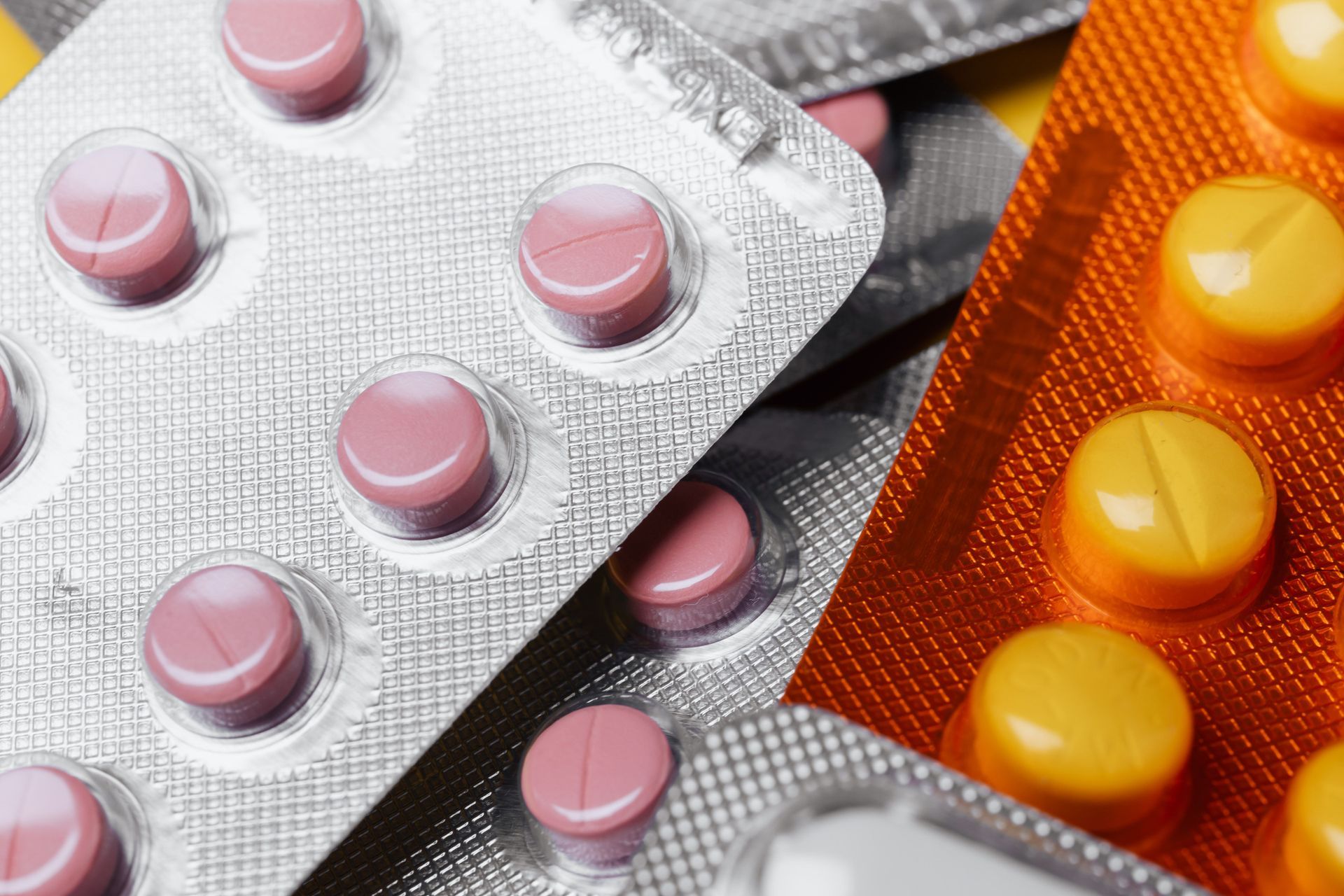
Menopause is a natural process. Many symptoms will go away on their own over time. If symptoms become unbearable, treatments can help you feel better, but they come with some risks. Common treatments include:
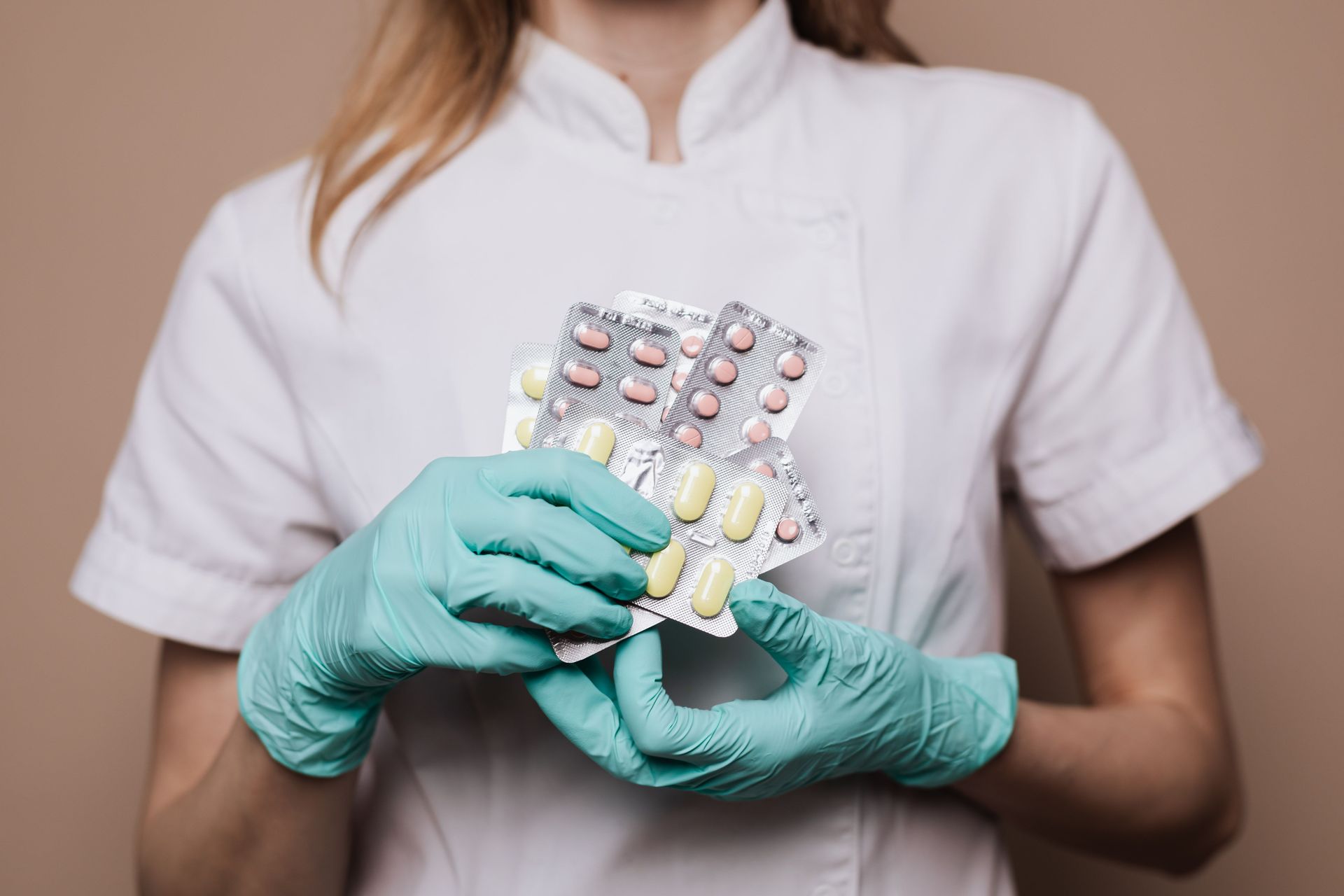
- Hormone replacement therapy (HRT). This is also called menopausal hormone therapy. Medications replace the hormones that a woman's body isn’t making anymore. Certain drugs or combinations can help with hot flashes and vaginal symptoms. Premarin , an estrogenic drug used for postmenopausal women, is derived from the urine of pregnant mares (PMU). In 2002, researchers who were working on the Women's Health Initiative (WHI)—a series of government studies of more than 160,000 healthy postmenopausal women—abruptly halted a trial involving 16,000 women who were taking Premarin. It was discovered that HRT raised the risk of stroke in women by 41 percent, the risk of heart attack by 29 percent, and the risk of breast cancer by 26 percent. Doctors now largely agree that women should avoid HRT. Those who must use it in order to relieve severe symptoms associated with menopause should limit the duration of the treatment and use the lowest effective dose.
- Bioidentical hormone therapy (BHRT) . This approach uses processed hormones that come from plants. Plant-derived estrogen uses soy or yam extracts instead of horse urine. These plant-based hormones, which are “bioidentical” to human hormones, have fewer side effects in humans. Estrogen, progesterone and testosterone are the most commonly used bioidentical hormones. BHRT is less risky than HRT, but the risks have not been fully studied long term.
- Topical hormone therapy. An estrogen cream or gel inserted vaginally to help with dryness.
- Nonhormone therapeutic medications. The depression drug paroxetine (Brisdelle, Paxil) is used by the medical establishment to treat hot flashes. The nerve drug gabapentin (Gralise, Neuraptine, Neurontin) and the blood pressure drug clonidine (Catapres, Kapvay) are also used. Medicines called selective estrogen receptor modulators (SERMs) can help a woman's body use its estrogen to treat hot flashes and vaginal dryness. But all of these are drugs that interrupt natural human physiology and cause side effects which could be detrimental.
Personal Life Changes
Lifestyle changes help many women deal with menopause symptoms. Steps can include:
- For hot flash symptoms, drink cold water, sit or sleep near a fan, and dress in layers.
- Use an aloe-based vaginal moisturizer or lubricant for dryness.
- Exercise regularly—doesn't have to be strenuous.
- Stay socially and mentally active.
- Don’t smoke. Tobacco can cause early menopause and increase hot flashes.
- Limit alcohol consumption.
- Eat a variety of whole, real foods and avoid highly-processed foods. Be consistent with supplementing adequate plant-based vitamins, minerals, and sugar nutrients.
- Get involved in practices like yoga, deep breathing, or massage.
- Talk with women who have been through menopause to glean from their counsel and wisdom.
- Some women going through menopause never experience anything difficult or even noticeable. Others experience every disconcerting issue related to it and mourn a tremendous loss of who they once were.
- But one thing is for sure: female bodies are designed to enter and leave child-bearing years. Managing this journey is something women are equipped to handle. Making decisions to strengthen health via whole-food nutrition and plant-based supplementation will go far in easing that transition. For help with that process, see my book.
- Men also go through a process called andropause , but it is usually slower and not as dramatic. Symptoms include mood swings and irritability, loss of muscle mass, a general lack of energy/enthusiasm, erectile dysfunction and loss of libido, difficulty sleeping and increased tiredness, poor concentration and short-term memory. 20% of men at age 50 and 50% of men by age 60 experience these issues—with their own challenges and potential solutions.
Recent Posts