
COVID-19 Shots Leak Variants

Author -  Larry A. Law

June 14, 2022
Print Friendly and PDF

Share this article:

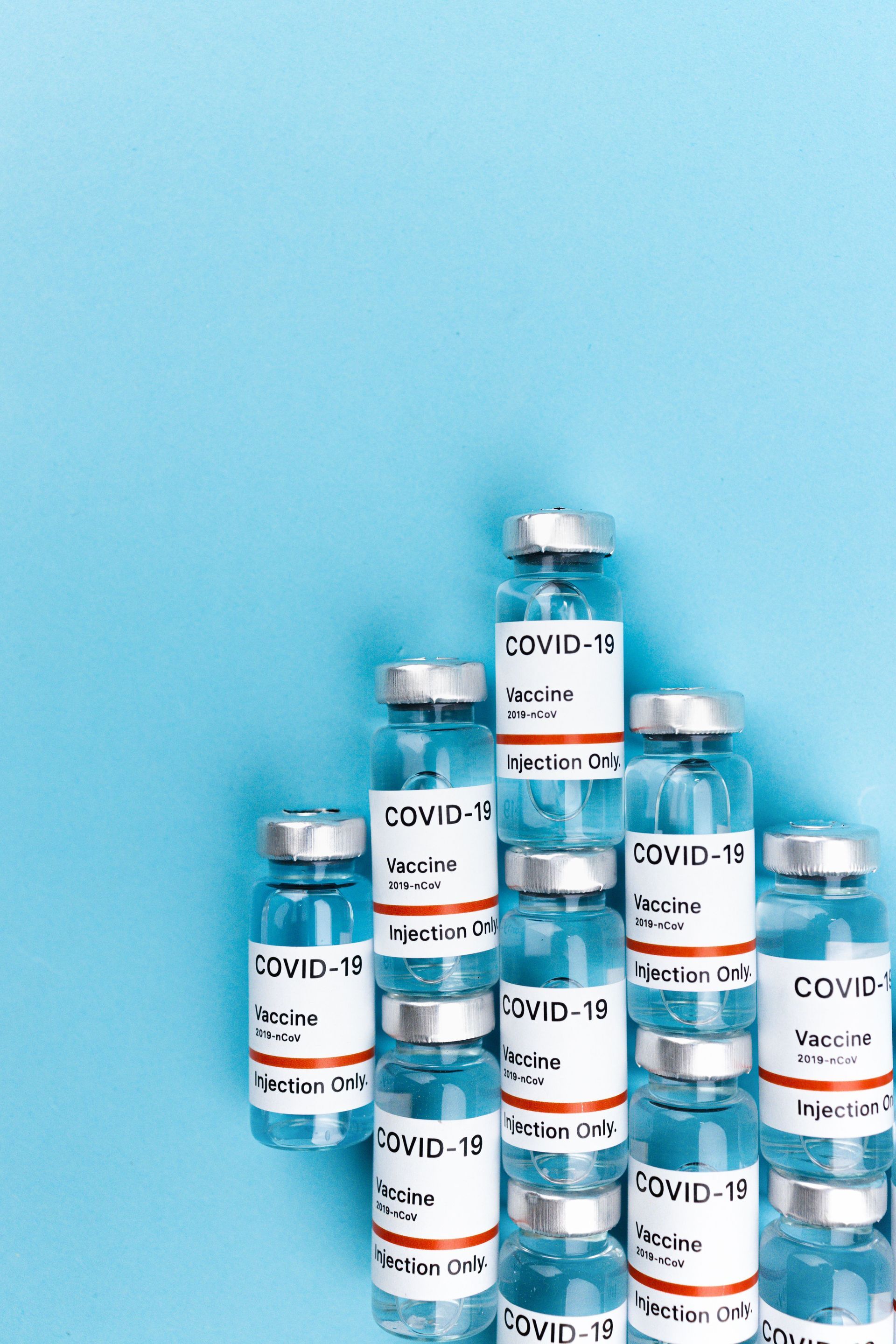
​Why are those vaccinated with COVID-19 injections getting COVID and all of its variants while the unvaccinated with natural immunity are not? Vaccine developer Geert Vanden Bossche from Belgium predicted this problem a year ago as I reported in a blog post on March 30, 2021. Widespread vaccination rates have created pressure on the virus to mutate into variants with higher levels of contagion. The unvaccinated are the only ones keeping the pressure down by defeating the virus and carrying natural immunity. However, as the unvaccinated population gets increasingly smaller, the pressure on the virus to mutate increases. So, these mutations (Delta, Omnicron, …) stay at more effective and higher levels of infection.

Fully Vaccinated and COVID-19 Variants

​A study posted on medRxiv, August 25, 2021 emphasized that those who are fully vaccinated against COVID-19 are in fact more susceptible to COVID variant infections than unvaccinated people. Dr. Vanden Bossche’s prediction explained that vaccine antibodies would suppress natural antibody responses, allowing variants to slip through and this is what we are seeing. The Conservative Treehouse on October 3, 2021 reported, “Among vaccinated individuals, a COVID variant virus is not recognized by the specialized antibodies provided by the vaccine, and the natural antibodies have been programmed to stand down…Be careful around vaccinated people, because they can carry a more resistant form of COVID-19.” The narrow, limited protection offered by the COVID shot inevitably necessitates a booster shot for each emerging new variant. Those who are unvaccinated, got COVID, and developed natural immunity have much stronger protection against the variants.

Natural Immunity​

Antibody dependent enhancement (ADE) is the scientific name for what has happened because of mass vaccinations for COVID-19. Sole reliance on vaccination as the primary strategy to fight COVID-19 is why we are in this situation. It is extremely rare to get COVID-19 after you’ve recovered. How rare? Researchers in Ireland looked at 615,777 people who had recovered from COVID-19. Over a 10-month period, the reinfection rate was just 0.27%. In another study of 43,044 people , the risk was only 0.1%. And there was no indication of immunity waning over a 7-month follow-up, unlike what happens with COVID-19 injections and their multiple boosters.

Risks Associated with Vaccinations

​The COVID-19 injections appear to be all risk and no reward. 30,000 people have died from COVID injections and hundreds of thousands have been injured. Dr. Peter McCullough , an internist, cardiologist and epidemiologist has warned that COVID-19 injections are not only failing but putting lives at risk. According to Dr. McCullough, by January 22, 2021 there had already been 186 deaths reported to Vaccine Adverse Events Reporting System (VAERS) which was more than enough to exceed the mortality level to stop the program. He stated, “With a program this size, anything over 150 deaths would be an alarm signal…the U.S. hit 186 deaths with only 27 million Americans jabbed.” Dr. McCullough believes that if the proper safety boards had been in place, the COVID-19 program would have been shut down in February 2021 based on safety concerns and risk of death.

Successfully Treating COVID-19 Without Vaccines

​If you are vaccinated, you are at high risk for COVID. There are effective treatments that you should employ at the first sign of symptoms. COVID shots were never the answer and have damaged our immune system. Fortunately, the same therapeutics and natural approaches used to protect the unvaccinated will benefit the vaccinated. Two doctors, Brian Tyson, M.D. and George Fareed, M.D. sucessfully treated over 7,000 patients in California without a single fatality. They documented their early treatment protocol in an excellent book titled Overcoming The COVID Darkness. Click here to see effective options that truly treat, mitigate, and cure people infected with COVID-19 or any of its variants.

Recent Posts

By Larry Law June 22, 2026
Why Does Time Speed Up As We Get Older?
By Larry Law June 6, 2026
Fructose and Cancer
By Larry Law May 25, 2026
What Is Epsom Salt?
By Larry Law May 9, 2026
The Lifespan of a Mattress
By Larry Law April 26, 2026
Brain Health and Alcohol Don't Mix
By Larry Law April 13, 2026
Prostate Cancer
By Larry Law March 31, 2026
Kitchen cooking oils will not last forever. Depending upon the oil, it can go rancid in a matter of months or a few years. You don't want to cook with rancid oil because it smells like wet socks and the living components have lost their vitality. But the good news is, expired oil won't hurt you. There is no water in it, so no mold can grow to make it rotten and dangerous. It can still be used for creative applications. According to the United States Department of Agriculture Forest Service, “Vegetable oils have many good natural properties including good lubricity, good resistance to shear, a high flash point, and a high viscosity index.” These qualities make them quite versatile in a number of applications. You might consider keeping your old oil rather than throwing it out. Recycling expired oil could prove to be a valuable asset in emergency situations.
By Larry Law March 17, 2026
Disposable face masks, such as those health officials encouraged (or in some cases, mandated) the public to wear during the COVID-19 pandemic, are made of synthetic fibers and may contain chemical compounds. Many people have questioned the wisdom of wearing masks made of synthetic fibers for long periods, asking whether inhaling the chemical compounds masks release could lead to health problems.
By Larry Law March 3, 2026
Deaths from Alzheimer's more than doubled between 2000 and 2019. In 2023, nearly 7 million Americans have been diagnosed with the disease. Today, 1 in 3 seniors dies with Alzheimer's or dementia—the death toll exceeds the total of breast- and prostate cancer combined. Officially, it's the sixth-leading cause of death, but a 2014 study suggests that it is actually one of the top three (just behind heart disease and cancer). The discrepancy being how death certificates underreport the disese because they record the more immediate cause of death (pneumonia or heart attack) rather than listing the underlyings causes.
Show More