Lyme disease can cause a slew of different symptoms, according to the
Centers for Disease Control and Prevention (CDC), and you may experience different signs of the illness depending on how long it’s been since you were infected. These are the most common symptoms that can surface anywhere from three to 30 days after a tick bite according to the CDC:
- Fever
- Chills
- Headache
- Fatigue
- Muscle and joint aches
- Swollen lymph nodes
- Erythema migrans rash (aka bullseye rash)
You may have the following symptoms days to months after you’ve been infected:
- Severe headaches and neck stiffness
- Rashes on other areas of the body
- Facial palsy
- Arthritis with severe joint pain and swelling
- Intermittent pain in tendons, muscles, joints, and bones
- Heart palpitations or an irregular heartbeat (called Lyme carditis)
- Episodes of dizziness or shortness of breath
- Inflammation of the brain and spinal cord
- Nerve pain
- Shooting pains, numbness, or tingling in the hands or feet
What Causes Lyme Disease?
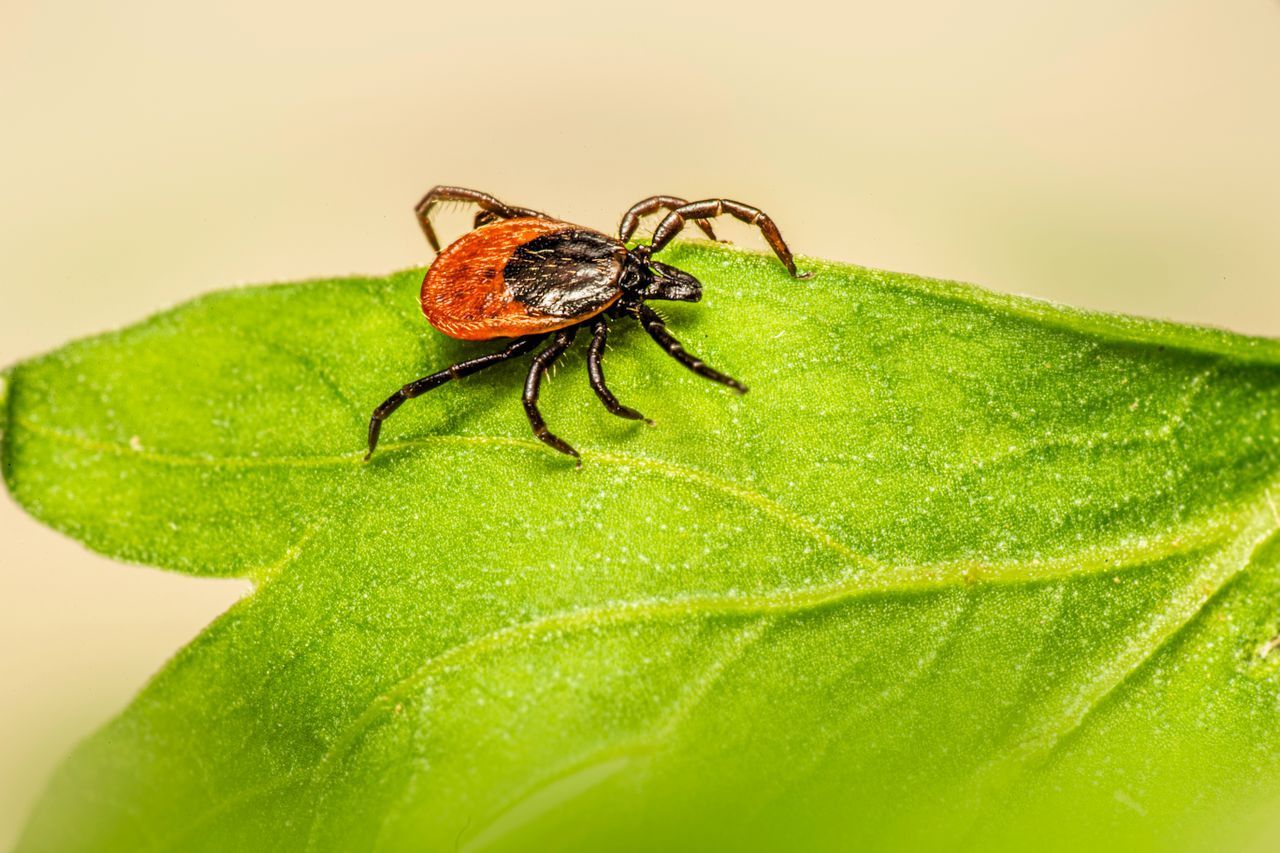
The CDC states that Lyme disease is a tick-borne disease usually caused by the bacterium Borrelia burgdorferi. It’s transmitted to people through the bite of an infected blacklegged tick. If it’s left untreated, Lyme disease can spread to the joints, heart, and nervous system. The bacterium is a spirochete, a spiral-shaped bacterium.
Spirochetes are difficult to treat because they can change shape, form biofilms, and evade the immune system. If you’re lucky, you take antibiotics, and you get better.
“If you’re not lucky, you may or may not take antibiotics, you may or may not feel better, but you won’t truly be better. Instead, the disease will get worse, as the spirochetes burrow further into your body. Lyme disease is a heck of a lot more complicated than many people realize, because it’s got a lot of variables,” says John Aucott, M.D., an infectious diseases specialist and renowned expert on Lyme Disease, and the founding physician of the Lyme Disease Clinical Research Center. “Like syphilis, it’s got multiple stages; so, there’s early Lyme disease, the period within weeks after the tick bite. That’s primarily a skin infection with the rash. Then in the two- to six-week range, the spirochete disseminates and the illness changes forms,” as the infection moves outward from the bite; these are the flulike symptoms.
“In some people, the disseminated bacteria end up in organs like the heart, or in the nervous system – so the symptoms could look like heart trouble or meningitis. It’s kind of a moving target with all these different manifestations, depending on how far the disease has progressed.” “Then in the third stage, which may be six months or even years later, you can get arthritis,” says Aucott. “So, you have all these seemingly disparate illnesses that don’t appear to be related, but they’re all due to the different phases of the bacteria.” Treatment varies, depending on how widely the infection has spread. “The earlier you treat it, the easier it is to treat.
Borrelia burgdorferi (the bacterium that causes Lyme disease) can form protective, slime-like communities called biofilms. These structures consist of extracellular polymeric substances like alginate, proteins, and DNA. Biofilms act as a physical barrier that slows or blocks antibiotic penetration and hides the bacteria from the immune system. This causes antibiotic tolerance rather than true genetic resistance. Specialized protocols (often explored by alternative or Lyme-literate practitioners) sometimes look at matrix-degrading enzymes, mineral starvation, or combination antibiotics. Be aware that traditional health guidelines do not standardly recommend routine biofilm agents for conditions like Post-Treatment Lyme Disease Syndrome (PTLDS).
Can You Be Sure You Have Lyme Disease?
Lyme disease can be tricky to diagnose, given that the symptoms mimic those of other illnesses, says Thomas Russo, M.D., professor and chief of infectious disease at the University at Buffalo in New York. “If you have the classic rash, you can probably assume you have Lyme disease,” Dr. Russo says. “But not all symptoms are classic and Lyme disease can mimic a variety of other things.”
There are blood tests a doctor can order including an enzyme-linked immunosorbent assay (ELISA) test to look for antibodies to B. burgdorferi in your blood. The
Mayo Clinic has more information on available tests including one called a Western blot test which is usually given to confirm the diagnosis.
Lyme Disease Treatments
Lyme disease is usually treated with a 10- to 14-day course of antibiotics—either doxycycline, amoxicillin, or cefuroxime (CDC). If you develop more serious complications like Lyme carditis or neurological symptoms, you may need to be given antibiotics via an IV.
Lyme Disease Concerns
An article in
Health Prevention states that ticks that carry Lyme disease are found in the eastern half of the U.S. So, if you live in that area and you’ve been bitten by a tick, you should at least have Lyme disease symptoms on your radar, according to
Michael Zimring, M.D., director of the Center for Wilderness and Travel Medicine at Mercy Medical Center and co-author of the book, Healthy Travel.
But Dr. Zimring says you shouldn’t panic if you’ve been bitten. “If you had a tick bite and you’re fairly certain it’s been on for less than 36 hours, I wouldn’t be overly concerned,” he says.
Amesh A. Adalja, M.D., a senior scholar at the Johns Hopkins Center for Health Security, agrees. “Lyme disease isn’t transmitted instantaneously,” he says. “The tick has to be attached for a period of about 48 to 72 hours in order for transmission to occur, so people shouldn’t be worried with just a tick bite without prolonged tick attachment.”
When To Be Concerned
If you’ve been bitten by a tick and have developed symptoms of Lyme disease, it’s important to call your doctor ASAP, Dr. Russo says. That should also be the case if you develop symptoms of Lyme disease, but aren’t sure if you were recently bitten by a tick.
And, if you happen to spot a tick on you and you’re not sure how long it’s been attached, Dr. Zimring recommends calling your doctor as well. They can give you a prophylactic dose of antibiotics to try to lower your risk of developing Lyme disease if you act quickly.