Fake News - Vaccines Don't Cause Autism

Author -  Larry A. Law

June 2, 2020
Print Friendly and PDF

Share this article:

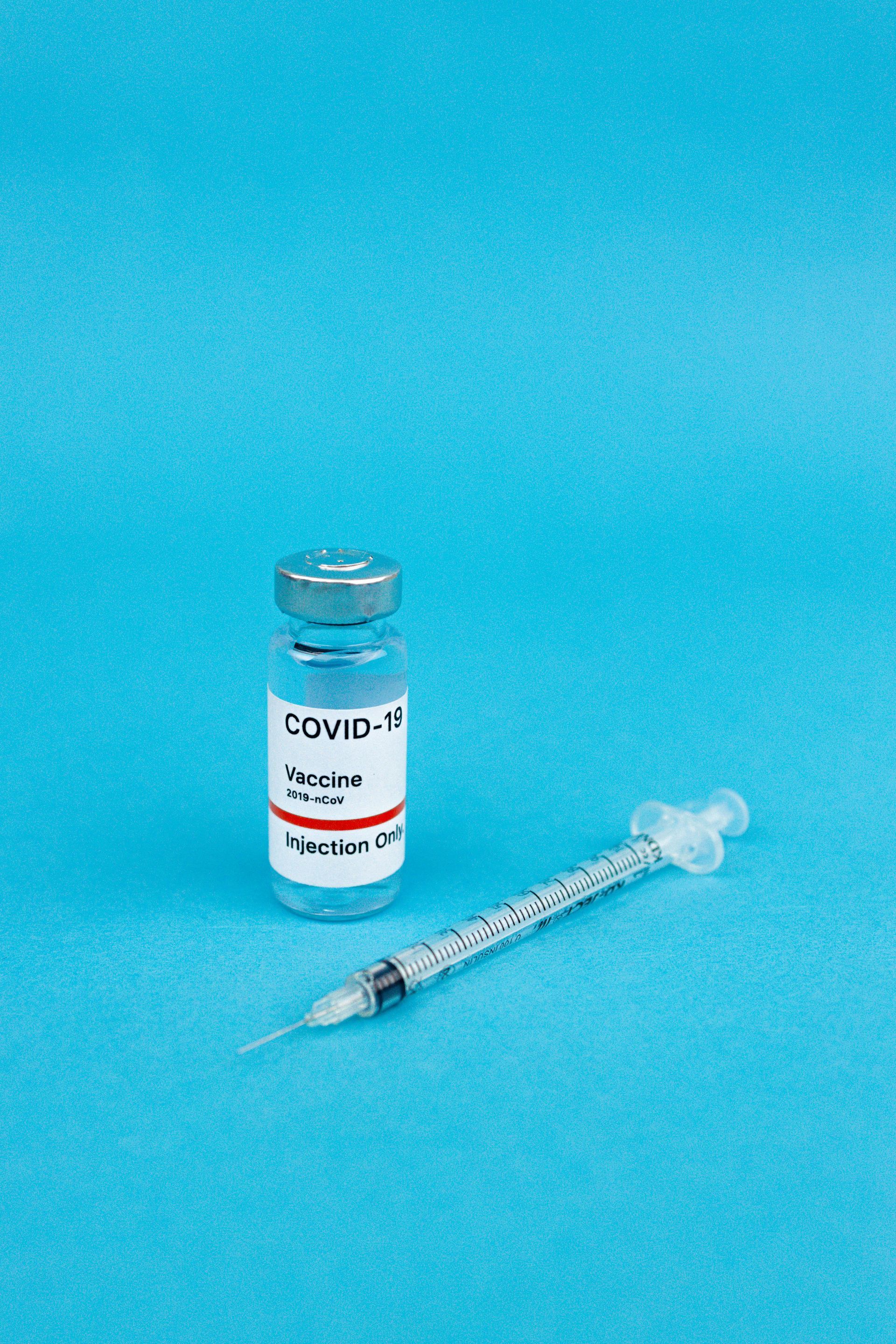
​Dr. Paul Offit (Children's Hospital of Philadelphia) and Dr. Peter Hotez (Baylor University) are two of the loudest proponents of vaccinations. And by coincidence, they both just happen to be patent holders for vaccines that built their careers in the pharmaceutical industry. They love to talk about the 27 studies that prove vaccines don't cause autism. The trouble is that, when you actually read those studies, it turns out that only one vaccine and one ingredient was ever studied. The studies are cited on the Autism Science Foundation (ASF), a reputable sounding, science-oriented organization where Dr. Offitt just happens to sit on the board.

If you investigate the 27 scientific studies that supposedly settle the science that vaccines don't cause autism, you will find that 13 of them look at the thimerosal (mercury) - autism relationship, 10 of them look at the MMR vaccine - autism relationship; and 4 of them are meta-analyses of those 23 studies. One vaccine (MMR) and one ingredient (thimerosal) - that's all that's ever been studied to "prove" vaccines don't cause autism.

But if you look at the ingredient list of vaccines provided by the CDC, you will find 38 separate ingredients. These ingredients are present in two or more vaccines. Heavy metals like aluminum potassium sulfate, aluminum hydroxide, potassium aluminum sulfate, and thimerosal (mercury). Chemicals like ammonium sulfate, 2-phenoxyethanol, detergent, ethanol, formaldehyde, glutaraldehyde, lactalbumin hydrolysate, monosodium l-glutamate, phenol, phosphate, polymyxin B-sulfate, polysorbate-80, potassium chloride, potassium phosphate monobasic, sodium borate, sodium phosphate dibasic, soy peptone, and sodium choloride. In addition, animal and human components like bovine components, bovine serum albumin, chick embryo cell culture, human embryonic culture (from aborted fetal cells), human components, and vero (monkey kidney cells). Mix in some antibiotics, amino acids, dextrose, mineral salts, enzymes, hydrolyzed gelatin, sorbitol, and sucrose. Inject the aforementioned concoction (multiple times) directly into the bloodstream of infants who have yet to develop a fully functioning immune system.

There are 20 vaccines given to American children before they reach the age of 18 months. The following represents the CDC vaccine schedule: Pregnancy: flu, DTaP; Birth: Hep B; 2 months: Hep B, Rotavirus, DTaP, Hib, PCV, IPV; 4 months: Hep B, Rotavirus, DTaP, Hib, PCV, IPV; 6 months: Hep B, Rotavirus, DTaP, Hib, PCV, IPV, flu; 12 - 18 months: flu, Hib, PCV, MMR , Varicella, Hep A, DTaP, flu, Hep A.

J. B. Handley in his book, How to End the Autism Epidemic , states, "Remember that in 1962 the maximum number of vaccines a child would receive by age five was three. In 1983 the maximum number of vaccines a child would receive by age five was ten. Today that number is thirty-eight, which is nearly quadruple what it was in 1983 and more than twelve times what it was in 1962. Today by the time a child is five years old, if his parents follow the CDC's recommended schedule, he will have received the following vaccines, with most being given three to four separate times: (1) hepatitis B, (2) rotavirus, (3) DTP, (4) Hib, (5) pneumococcal, (6) polio, (7) flu, (8) MMR, (9) varicella, (10) hepatitis A, (11) meningococcal...and (12) HPV (teenagers).

​Today at his two-month-old "well baby" visit, the average American infant will receive six separate vaccines in about fifteen minutes." In the first 12 months of life a typical American baby will receive 20 vaccines. "Of those first twenty vaccines given to American babies, how many have been studied for their relationship to autism? None." MMR isn't given until month 13.

Pharmaceutical and vaccine spokespeople are not looking out for the public. They are looking out for themselves. It is time for an open discussion about vaccine safety testing - the lives of our children depend upon it. For more information on vaccines, see my book, There's An Elephant in the Room - Exposing Hidden Truths in the Science of Health.

Recent Posts

By Larry Law June 22, 2026
Why Does Time Speed Up As We Get Older?
By Larry Law June 6, 2026
Fructose and Cancer
By Larry Law May 25, 2026
What Is Epsom Salt?
By Larry Law May 9, 2026
The Lifespan of a Mattress
By Larry Law April 26, 2026
Brain Health and Alcohol Don't Mix
By Larry Law April 13, 2026
Prostate Cancer
By Larry Law March 31, 2026
Kitchen cooking oils will not last forever. Depending upon the oil, it can go rancid in a matter of months or a few years. You don't want to cook with rancid oil because it smells like wet socks and the living components have lost their vitality. But the good news is, expired oil won't hurt you. There is no water in it, so no mold can grow to make it rotten and dangerous. It can still be used for creative applications. According to the United States Department of Agriculture Forest Service, “Vegetable oils have many good natural properties including good lubricity, good resistance to shear, a high flash point, and a high viscosity index.” These qualities make them quite versatile in a number of applications. You might consider keeping your old oil rather than throwing it out. Recycling expired oil could prove to be a valuable asset in emergency situations.
By Larry Law March 17, 2026
Disposable face masks, such as those health officials encouraged (or in some cases, mandated) the public to wear during the COVID-19 pandemic, are made of synthetic fibers and may contain chemical compounds. Many people have questioned the wisdom of wearing masks made of synthetic fibers for long periods, asking whether inhaling the chemical compounds masks release could lead to health problems.
By Larry Law March 3, 2026
Deaths from Alzheimer's more than doubled between 2000 and 2019. In 2023, nearly 7 million Americans have been diagnosed with the disease. Today, 1 in 3 seniors dies with Alzheimer's or dementia—the death toll exceeds the total of breast- and prostate cancer combined. Officially, it's the sixth-leading cause of death, but a 2014 study suggests that it is actually one of the top three (just behind heart disease and cancer). The discrepancy being how death certificates underreport the disese because they record the more immediate cause of death (pneumonia or heart attack) rather than listing the underlyings causes.
Show More