


Glycobiology and Viruses
Author - Larry A. Law
The Coronavirus pandemic has engendered a lot of fear in people. The media reports and tracks daily the number of cases and deaths which are growing exponentially. Social distancing and self-isolation (quarantining) are reliable practices that can dramatically lower the total number of people infected. The death rate from the seasonal flu (influenza) is about 0.1% (1 in 1000 ) while the Covid-19 appears to be about 1% (1 in 100). Please note that the 3% sometimes reported in the news refers only to those who get an extremely severe case (most people do not). Even though 99 in 100 people survive this virus, there hasn't been much attention paid to how they do it. It all centers on our immune system and how we can strengthen it so we avoid serious cases which can turn into pneumonia.
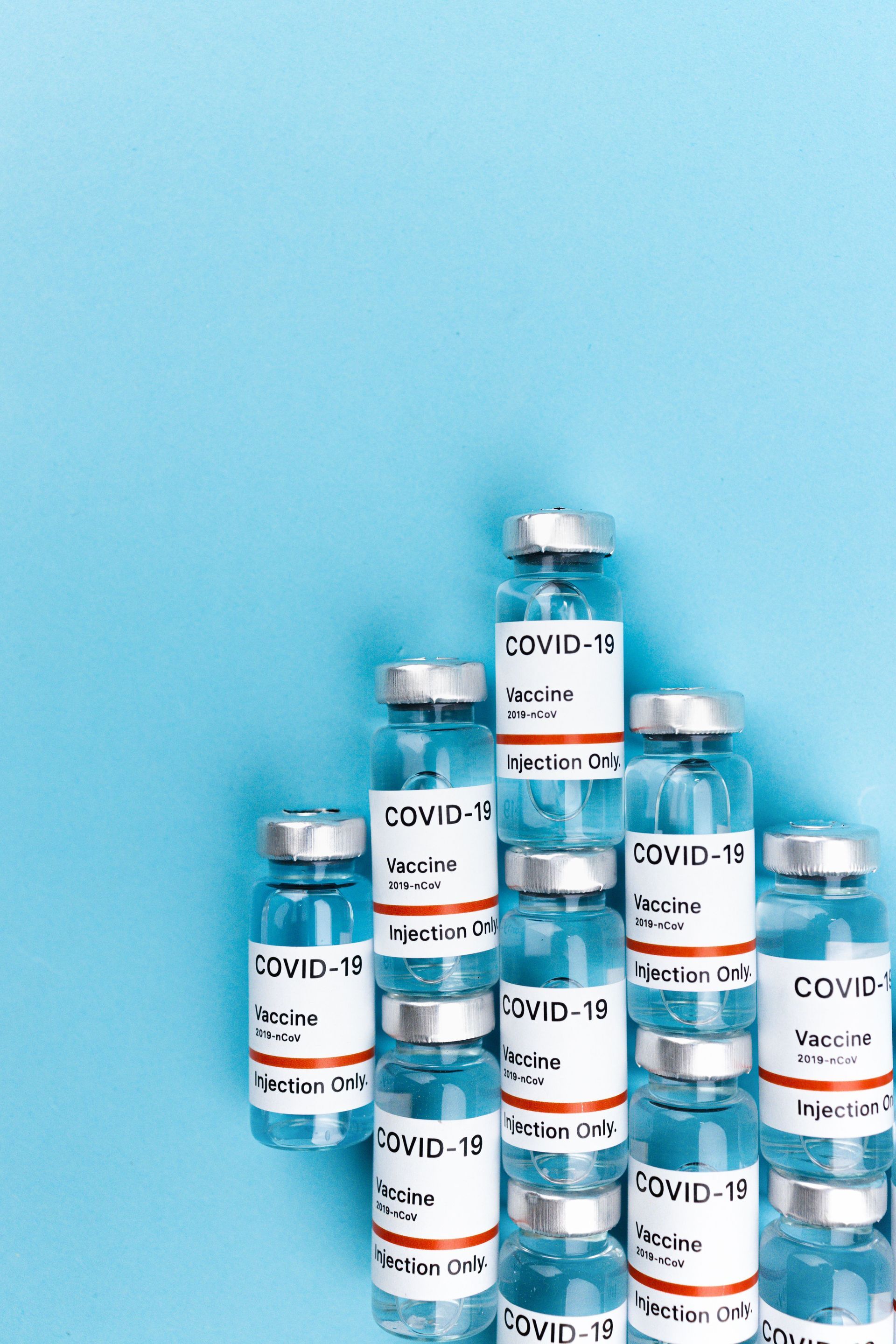
According to data from the U.S. Influenza Vaccine Effectiveness Network concerning the 4,112 children and adults with acute respiratory illness during October 23, 2019–January 25, 2020, the overall estimated effectiveness of seasonal influenza vaccine for preventing medically attended, laboratory-confirmed influenza virus infection was only 45% . Some years it can be as low as 10% especially when the vaccine does not match the circulating influenza viruses for that year. Viruses often shift their genetic profile. This is what makes it nearly impossible to create an effective vaccine against the cold, flu, and corona viruses in any given year. Vaccines cannot provide guaranteed blanket coverage. Our immune system is the only real protection we have to fight infections and disease.
What the study demonstrates is that the sugars in aloe vera (which are mostly mannose but also have trace amounts of other sugars) directly interact with the virus and prevent its absorption into the cells . They also noted previous studies clearly show the sugars in aloe vera can dramatically "increase the activity of the immune system." This is why the mice in the study got better and their lung damage was healed. Without question, science now supports having sufficient amounts of plant-based glycans in our body so we can activate our immune system to ensure maximum protection.
The Coronavirus is not the flu (it is more contagious) but it is very similar. All viruses have glycoprotein cell receptors. These glycoproteins allow them to attach to the glycoproteins on our epithelial (surface) cells located in our body's airway. The Coronavirus has glycoproteins which attach to the epithelial cells lining our nasal cavity (nose and sinuses). After a few days, the virus can travel into our lungs. And it is In the lungs where this particular virus does most of the damage leading to pneumonia. Blocking attachment of the virus to cells in the nasal cavity using the sugars contained in aloe vera would greatly hinder the spread of this virus.
The aloe study provides significant, scientific hope for fighting the Coronavirus with a natural, anti-viral, anti-bacterial approach. Remember the best time to strengthen your immune system was last year. The second best time is to begin today. However, it is imperative your aloe vera glycan sources are harvested properly to safeguard the efficacy of the sugar molecules. If you would like our opinion for safe and trusted aloe vera polysaccharide sources, click here. If you would like to learn more about the critical nature of these sugar nutrients, see our Wellness Journey Class. You can also listen to episode 4, The Science of Sugar--Nurtritional Glycobiology , on our podcast.
Recent Posts