

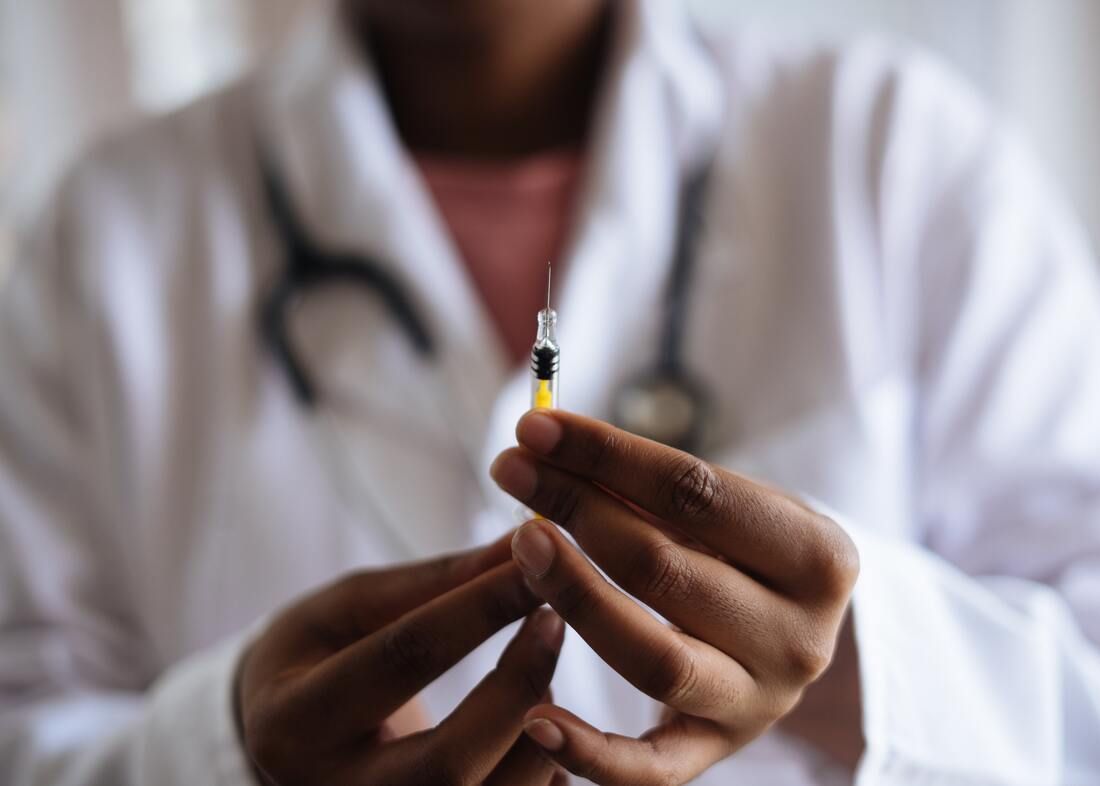
| Dr. Sherri Tenpenny recently made available an outstanding presentation on her website. She discussed 20 Mechanisms of Injuries
(MOIs) associated with coronavirus injections. Her third and fourth MOI addressed how "the spike protein can damage organs directly by promoting cardiovascular complications." In addition, the "spike protein can trigger changes in blood vessel walls, leading to pulmonary artery hypertension
(PAH), which is fatal even under the best current conventional and alternative treatments." Her findings were recently validated by the Salk Institute for Biological Studies. On April 30, 2021, researchers at the Salk Institute confirmed the mechanism through which the spike protein damages vascular cells.
Damage to the lungs and arteries had long been known to be caused by the
SARS-CoV-2
spike protein
|
|
Side Effects of Statin Drug Use

New Cholesterol Guidelines Aimed at Prevention or Promoting Statins?

A Better Test for “Bad Cholesterol”

Heartburn

Topical Muscle Performance and Recovery Gels

Weight Loss Craze (GLP-1)
The Alpha Lipoic Acid Breakthrough

Why Does Time Speed Up As We Get Older?
Fructose and Cancer