

If Masks Work, Why Do You Need A Flu Shot?

Author -  Larry A. Law

October 6, 2020
Print Friendly and PDF

Share this article:

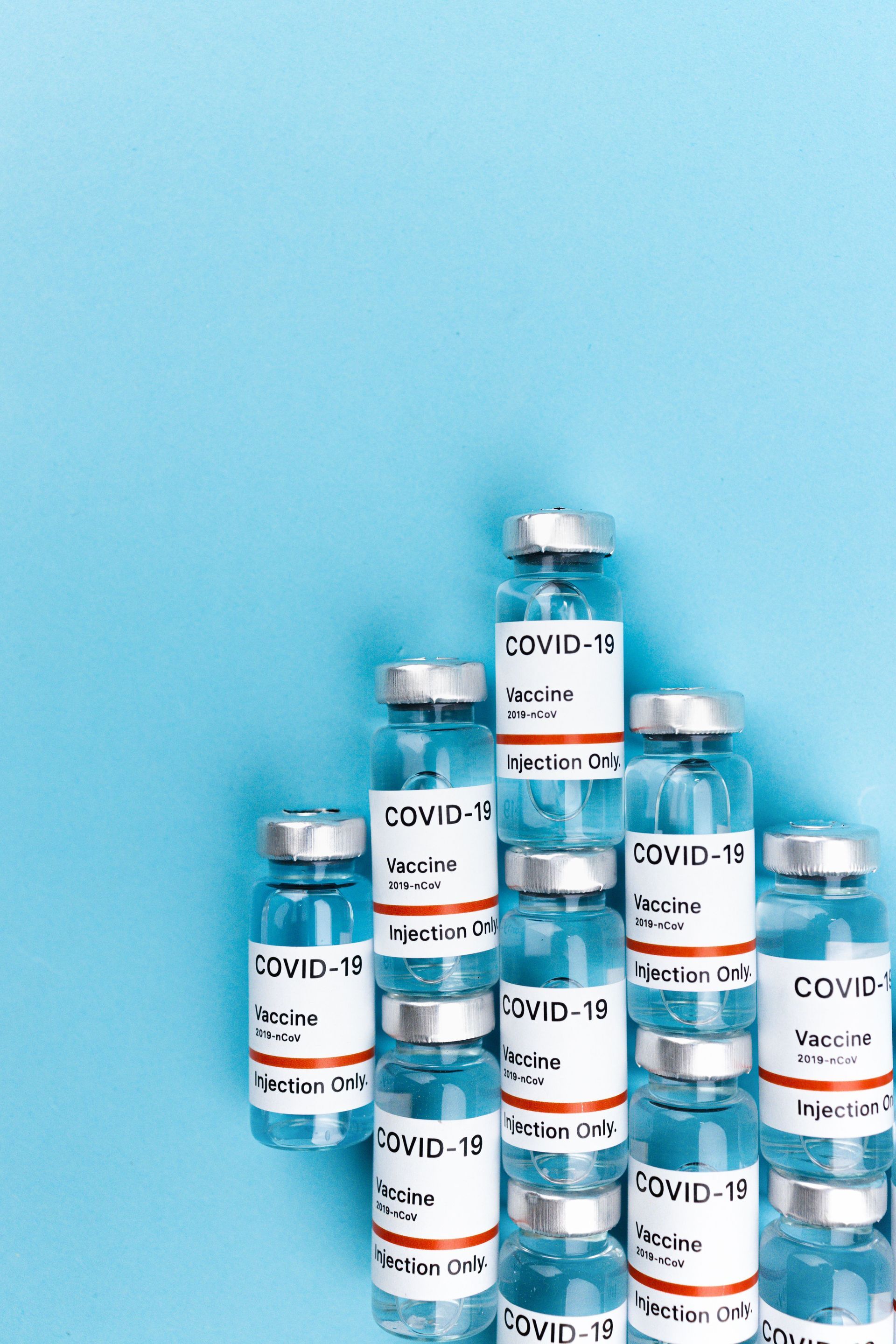
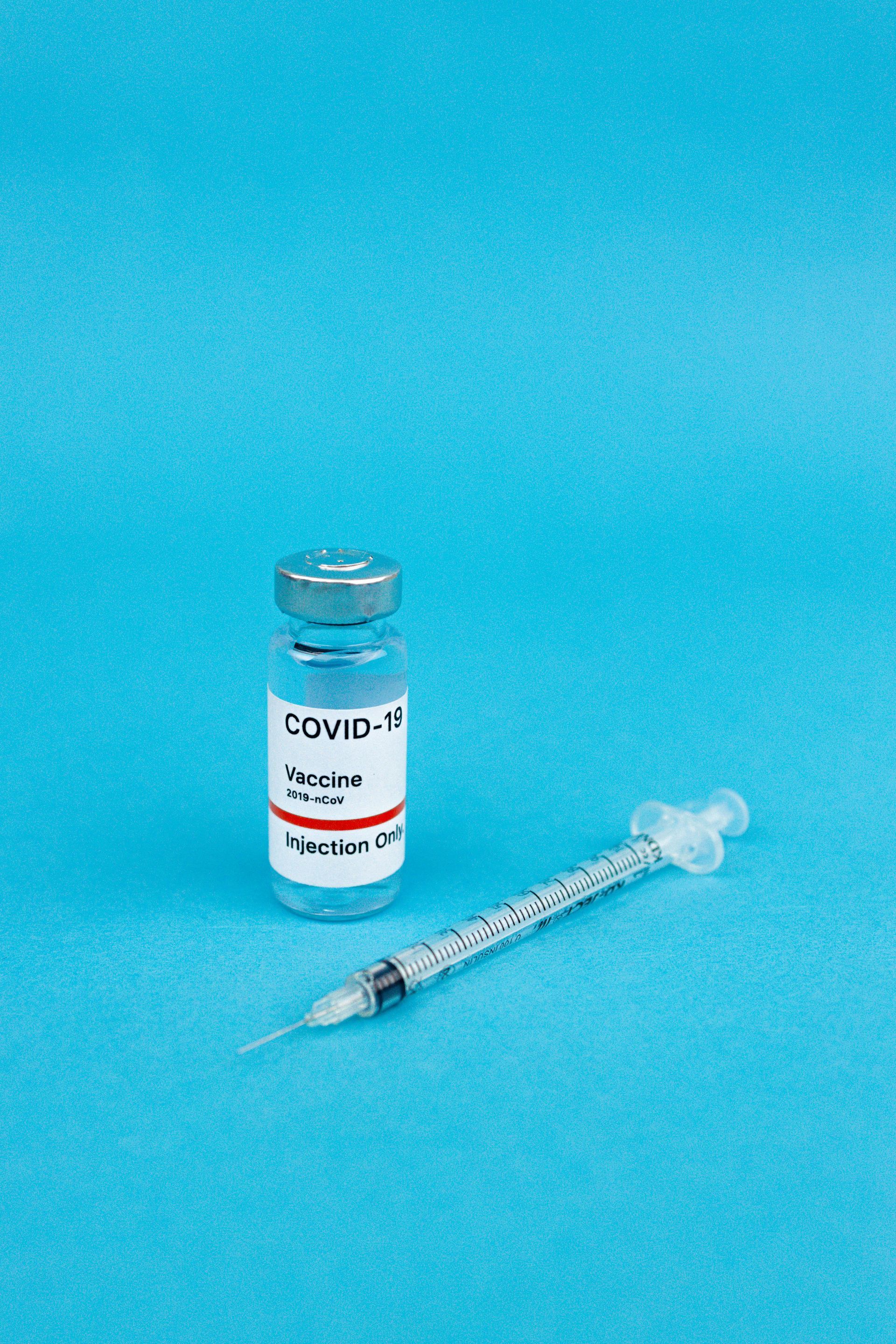
As of August 2020, the state of Massachussets has made the flu vaccine mandatory for all children ages 6 months through college. The law was passed without permitting public comment. Pharmaceutical lobbyists will soon be showing up in the rest of our states to influence our legislators to mandate the same thing for us. It is essential to know the facts surrounding this issue.

​The vast majority of flu vaccines contain thimerosal which is a type of mercury (ethylmercury). It is neurotoxic and extremely dangerous. Yet it is given to infants, children, and pregnant moms every year. We all know the safety warnings associated with limiting the amount of fish we eat because of accumulated mercury from the environment. Shouldn't we be worried about directly injecting mercury in the bloodstream of little children? But it is still promoted as something everyone needs to do.

According to a Canadian study (PMID 22423139), receiving a flu shot can weaken your immune system and make you 4.4 times more susceptible to other serious and potentially fatal, respiratory and influenza-like illnesses (ILIs). A study conducted by the Department of Defense determined that individuals are 36% more likely to get COVID after receiving the flu vaccine.

The Cochrane Library (the gold standard repository for unbiased studies) concluded there is no evidence to prove flu vaccines prevent or reduce the spread of influenza each year. In addition, they reported that despite universal recommendations for adults and the elderly to get a flu shot, the data did not prove that flu vaccines created any meaningful protection. The flu vaccine is actually responsible for more than 160,000 vaccine reactions, hospitalizations, injuries, and deaths annually. And, because of chronic underreporting of vaccine complications, they acknowledge that this number is likely an order of magnitude higher. Serious complications include inflammation of the brain, anaphylactic shock, paralysis, permanent nerve damage, and even death (NVIC.org).

To learn more information about vaccines and how to protect yourself from them, see my book.

Recent Posts

By Larry Law May 25, 2026
What Is Epsom Salt?
By Larry Law May 9, 2026
The Lifespan of a Mattress
By Larry Law April 26, 2026
Brain Health and Alcohol Don't Mix
By Larry Law April 13, 2026
Prostate Cancer
By Larry Law March 31, 2026
Kitchen cooking oils will not last forever. Depending upon the oil, it can go rancid in a matter of months or a few years. You don't want to cook with rancid oil because it smells like wet socks and the living components have lost their vitality. But the good news is, expired oil won't hurt you. There is no water in it, so no mold can grow to make it rotten and dangerous. It can still be used for creative applications. According to the United States Department of Agriculture Forest Service, “Vegetable oils have many good natural properties including good lubricity, good resistance to shear, a high flash point, and a high viscosity index.” These qualities make them quite versatile in a number of applications. You might consider keeping your old oil rather than throwing it out. Recycling expired oil could prove to be a valuable asset in emergency situations.
By Larry Law March 17, 2026
Disposable face masks, such as those health officials encouraged (or in some cases, mandated) the public to wear during the COVID-19 pandemic, are made of synthetic fibers and may contain chemical compounds. Many people have questioned the wisdom of wearing masks made of synthetic fibers for long periods, asking whether inhaling the chemical compounds masks release could lead to health problems.
By Larry Law March 3, 2026
Deaths from Alzheimer's more than doubled between 2000 and 2019. In 2023, nearly 7 million Americans have been diagnosed with the disease. Today, 1 in 3 seniors dies with Alzheimer's or dementia—the death toll exceeds the total of breast- and prostate cancer combined. Officially, it's the sixth-leading cause of death, but a 2014 study suggests that it is actually one of the top three (just behind heart disease and cancer). The discrepancy being how death certificates underreport the disese because they record the more immediate cause of death (pneumonia or heart attack) rather than listing the underlyings causes.
By Larry Law February 17, 2026
True confessions: I never liked flossing, so I rarely used the string. Angie used all of the flossing strings I collected from the dentist to cut the dough when making cinnamon rolls—I thought that was a better and tastier use! I always brushed my teeth (manually and with a battery operated toothbrush). My teeth felt clean enough, but still, I had a lot of dental guilt every 6 months when I had to admit I wasn't flossing. A few years ago, I found a device that removed all my guilt and shame! I discovered the waterpik. A waterpik (also known as a dental water jet) is a brand of water flosser or oral irrigator that sprays water to remove food from between your teeth. Water flossers are a fabulous option for people who have trouble with traditional flossing—the kind that involves threading string-like material between your teeth. The girl in the picture looks like me trying to floss!
By Larry Law February 3, 2026
Shingles is a viral infection caused by the activation of the varicella-zoster virus (VZV), also called human herpesvirus 3. That's the same virus that causes chickenpox. If you have ever had chickenpox, you were exposed to the varicella-zoster virus, which stays in your body for the rest of your life. If this occurs, the virus can reactivate as shingles years later. Being exposed to children with chickenpox keeps adult immunity up and reduces the chance of shingles in the future. Unfortunately, because we have largely eliminated chickenpox in kids, there is no repeated exposure to the virus to keep shingles at bay. The medical community has traded a kid's disease with few side effects for an adult disease with a lot of pain and discomfort. The VZV is a member of the herpes family of viruses. When shingles develops, it affects the nerves throughout the body resulting in painful, uncomfortable symptoms.
Show More