



New Drugs Used on Livestock Linked to Cancer
Author - Larry A. Law
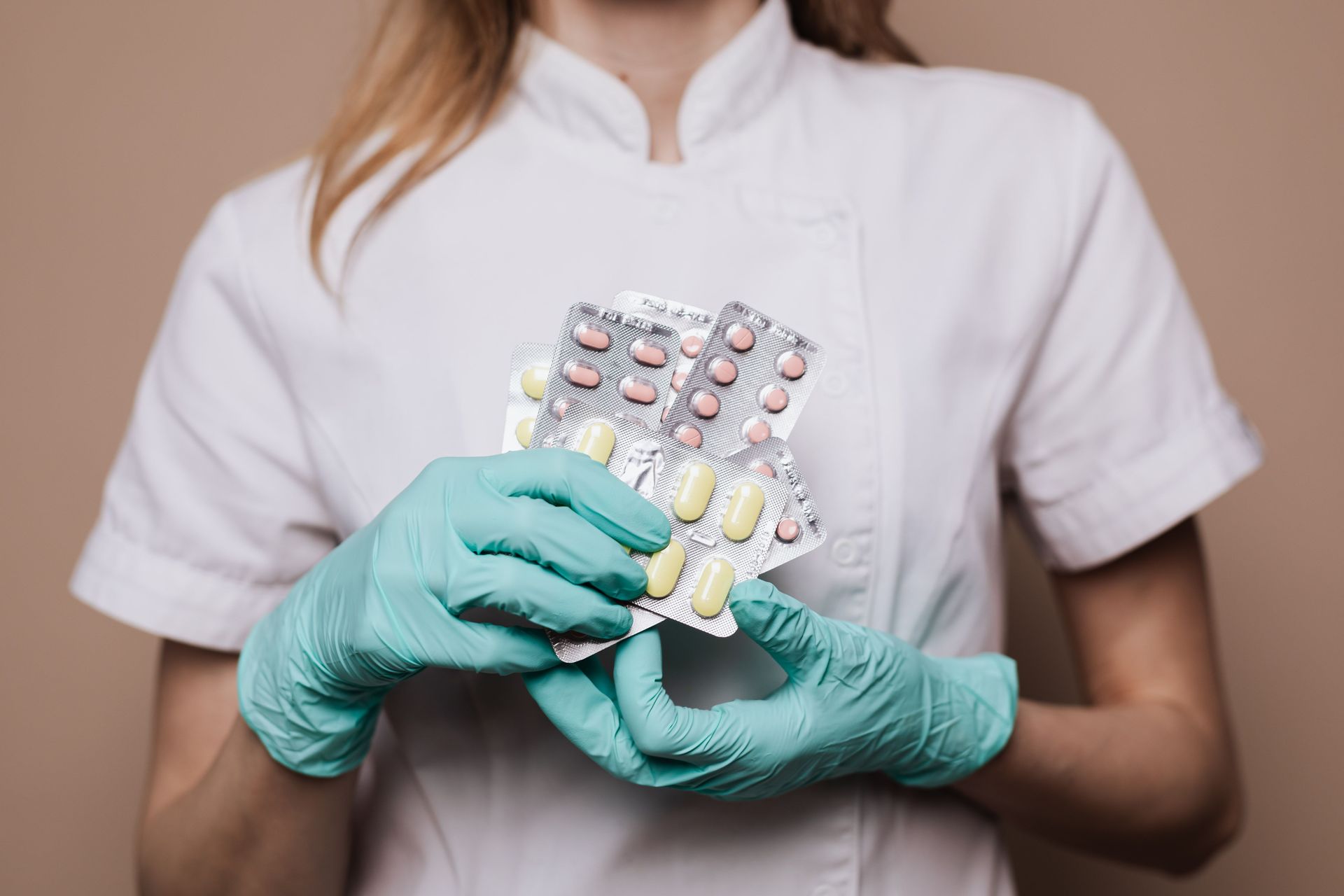
A lot of meat that consumers eat is raised in concentrated animal feeding operations (CAFOs). These cramped animal quarters are prone to disease. Antibiotics were used because they promoted animals to gain more weight with less feed and they prevented infections. However, public backlash against these drugs grew as science revealed the extent of antibiotic residues and antibiotic-resistant bacteria contaminating our meat supply. Meat producers began labeling their products "raised without antibiotics." However, it is not well known that many meat producers turned to vaccines to control disease. Just like COVID shots, these vaccines are not without risk.
Vaccines Replace Antibiotics
Drugmaker Merck sells 58 poultry vaccines
for diseases most consumers have never heard about: infectious bronchitis, Marek's disease (chicken herpes), hemorrhagic enteritis, avian encephalomyelitis, etc. There are vaccines for cattle
, swine and fish. It is a $7.2 billion industry. More than 90% of broiler chickens are vaccinated "in ovo."
This means the vaccine is injected into the embryos in the egg (either directly into the embryo or the amniotic fluid surrounding the egg). Mass vaccination in the hatchery
is "labor-intensive, causes stress for the chicks, and requires the highest sanitary standards... to manage infection risks." Injecting a vaccine at the wrong stage of embryonic development can be disastrous. For example, 10-12-day-old embryos injected too early with a turkey herpes virus developed lesions and died. The people who inject shots into mature animals destined for human consumption are instructed to place the shot in an area that will not be consumed so as to avoid leaving any residual vaccine and risking a human reaction to it.
Unlabeled Hormones
The European Union (EU) Scientific Committee
wrote that "the highest rates of breast cancer [in humans] are observed in North America, where hormone-treated meat consumption is highest in the world... Prostate cancer shows similar variations... [and] is comparable to that of breast cancer." These cancers
are known to be hormone-dependent or hormonally mediated. Hormones like oestradiol-17, zeranol
, trenbolone acetate and melengestrol acetate are routinely used in the United States
but banned in Europe. China and Europe have fought with the U.S. in a long trade war over hormone-treated meat. The World Trade Organization
has accepted the EU's refusal
to import hormone-tainted beef. The report concludes that "at least one of the hormones routinely used by the United States in their beef production is a significant cancer risk as determined by the EU."
Ractopamine
Another drug used primarily by the United States is designed to add weight to livestock. By 2014 it was banned by 160 countries around the world. The Center for Food Safety
sued the Food and Drug Administration (FDA) in 2014 for withholding information about ractopamine's effects
on "animal or human liver form and function, kidney form and function, thyroid form and function," urethral and prostate effects and "tumor development."
Conclusion
The rampant use of antibiotics, vaccines, and growth hormones by large meat producers, which do not appear on any consumer label, makes it imperative to find local farmers who raise animals the old-fashioned, natural way. Cattle should be grass-fed not grain-fed (or grain-finished). Animals should be free to roam and should not be caged in dusty, restrictive pens. Remember that eating meat is something that should be done sparingly (not every day). In the United States, meat consumption is astronomical. When you eat meat, it is a good idea to buy from a farmer who you trust raises his animals properly.
Recent Posts