


Pandemic or Casedemic?

Author -  Larry A. Law

September 1, 2020
Print Friendly and PDF

Share this article:

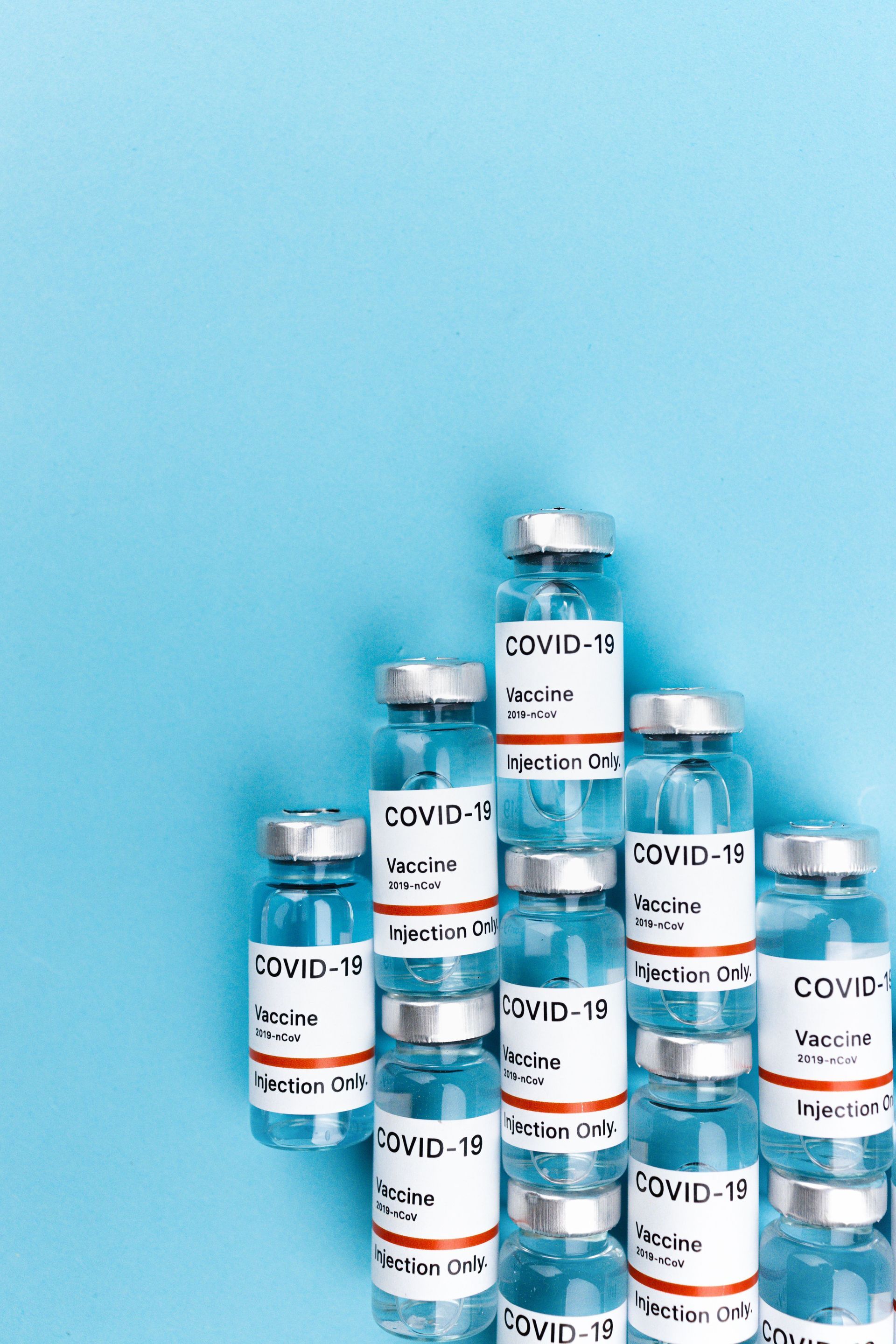
The coronavirus pandemic is over but the casedemic continues. Why is the mainstream media reporting on new cases of coronavirus? It has to do with testing. Basically, a Polymerase Chain Reaction (PCR) test detects miniscule viral particles identified by scientists as belonging to a particular virus. A casedemic occurs when increased and continued testing is conducted after the pandemic is over. Viral fragments in asymptomatic people and folks who recovered from the virus months ago show up in the continued PCR testing. These aren't new cases. They are old cases being reported as a result of new testing. You can always tell a casedemic because the number of cases rises, but the death rate remains virtually zero. Hospitals are not overrun, but the mainstream news continues to report the spike in cases and this creates a frenzy of fear.

Casedemics are not new with this coronavirus. They occurred with previous epidemics. The H1N1 swine flu of 2009 is a great example. A fast, new testing method came out in June that summer after the climatic flu season was over. There was an immediate , huge number of "cases" identified. A panic ensued but there was no corresponding increase in deaths. In fact, the actual death rate was the lowest it had ever been in decades, but news reporting was hysterical in predicting a new pandemic ​H1N1. Eventually, common sense prevailed and the truth about what was actually happening came out several months later. Sadly, we've forgotten the lesson from eleven years ago.

Everyone should watch this outstanding overview on casedemics by Ivor Cummins ( click here ). It is only 8 minutes long. It's easy to understand and, by viewing the explanation, you can help reduce the anxiety and fear which friends and family are still experiencing as a result of this fake pandemic. To learn the best option for strengthening your immune system see my book here. A strong immune system is the best defense against any virus.

Recent Posts

By Larry Law May 25, 2026
What Is Epsom Salt?
By Larry Law May 9, 2026
The Lifespan of a Mattress
By Larry Law April 26, 2026
Brain Health and Alcohol Don't Mix
By Larry Law April 13, 2026
Prostate Cancer
By Larry Law March 31, 2026
Kitchen cooking oils will not last forever. Depending upon the oil, it can go rancid in a matter of months or a few years. You don't want to cook with rancid oil because it smells like wet socks and the living components have lost their vitality. But the good news is, expired oil won't hurt you. There is no water in it, so no mold can grow to make it rotten and dangerous. It can still be used for creative applications. According to the United States Department of Agriculture Forest Service, “Vegetable oils have many good natural properties including good lubricity, good resistance to shear, a high flash point, and a high viscosity index.” These qualities make them quite versatile in a number of applications. You might consider keeping your old oil rather than throwing it out. Recycling expired oil could prove to be a valuable asset in emergency situations.
By Larry Law March 17, 2026
Disposable face masks, such as those health officials encouraged (or in some cases, mandated) the public to wear during the COVID-19 pandemic, are made of synthetic fibers and may contain chemical compounds. Many people have questioned the wisdom of wearing masks made of synthetic fibers for long periods, asking whether inhaling the chemical compounds masks release could lead to health problems.
By Larry Law March 3, 2026
Deaths from Alzheimer's more than doubled between 2000 and 2019. In 2023, nearly 7 million Americans have been diagnosed with the disease. Today, 1 in 3 seniors dies with Alzheimer's or dementia—the death toll exceeds the total of breast- and prostate cancer combined. Officially, it's the sixth-leading cause of death, but a 2014 study suggests that it is actually one of the top three (just behind heart disease and cancer). The discrepancy being how death certificates underreport the disese because they record the more immediate cause of death (pneumonia or heart attack) rather than listing the underlyings causes.
By Larry Law February 17, 2026
True confessions: I never liked flossing, so I rarely used the string. Angie used all of the flossing strings I collected from the dentist to cut the dough when making cinnamon rolls—I thought that was a better and tastier use! I always brushed my teeth (manually and with a battery operated toothbrush). My teeth felt clean enough, but still, I had a lot of dental guilt every 6 months when I had to admit I wasn't flossing. A few years ago, I found a device that removed all my guilt and shame! I discovered the waterpik. A waterpik (also known as a dental water jet) is a brand of water flosser or oral irrigator that sprays water to remove food from between your teeth. Water flossers are a fabulous option for people who have trouble with traditional flossing—the kind that involves threading string-like material between your teeth. The girl in the picture looks like me trying to floss!
By Larry Law February 3, 2026
Shingles is a viral infection caused by the activation of the varicella-zoster virus (VZV), also called human herpesvirus 3. That's the same virus that causes chickenpox. If you have ever had chickenpox, you were exposed to the varicella-zoster virus, which stays in your body for the rest of your life. If this occurs, the virus can reactivate as shingles years later. Being exposed to children with chickenpox keeps adult immunity up and reduces the chance of shingles in the future. Unfortunately, because we have largely eliminated chickenpox in kids, there is no repeated exposure to the virus to keep shingles at bay. The medical community has traded a kid's disease with few side effects for an adult disease with a lot of pain and discomfort. The VZV is a member of the herpes family of viruses. When shingles develops, it affects the nerves throughout the body resulting in painful, uncomfortable symptoms.
Show More