
Recommendations for Quality Sleep

Author -  Larry A. Law

June 15, 2021
Print Friendly and PDF

Share this article:

​We need sleep to live. We spend a third of our mortal lives asleep. Sleep rejuvenates and restores. Our bodies need the downtime to re-energize and make sense of our world. Researchers have made the following recommendations to enhance our ability to sleep in a world that is becoming hazardous to our health. The first recommendation is to go to bed and wake up at the same time every day (including weekends). The routine ensures we get a chance for adequate sleep and our body is programmed to maximize the experience.

In addition, we should minimize or eliminate exposure to electric light (especially blue LED light) at night at least 2 hours before bed. Blue light is especially damaging to our melatonin levels and interrupts our desire to sleep. Make sure you don’t use cell phones, computers, IPADs, TVs, and other devices that emit blue light as you prepare for bed. They reduce melatonin by 23%.

Wind down and relax before bed by reading a printed book or by listening on audio. In addition, avoid alcohol, caffeine, nicotine, large meals, and medicines that disrupt sleep. Don’t lie in bed awake. After 20 minutes of trying to sleep, get up and do something until you feel tired. Cool your bedroom down. The author suggests 65 degrees F (18 C). If that is too cold, then find a temperature below the standard 70-72 degrees which most people have set for sleeping. A hot bath seems counter-intuitive but it works very well because the heat dilates blood vessels near your skin, allowing heat from your core to radiate out quickly. This cooling effect lowers core body temperature, which in turn promotes sleep.

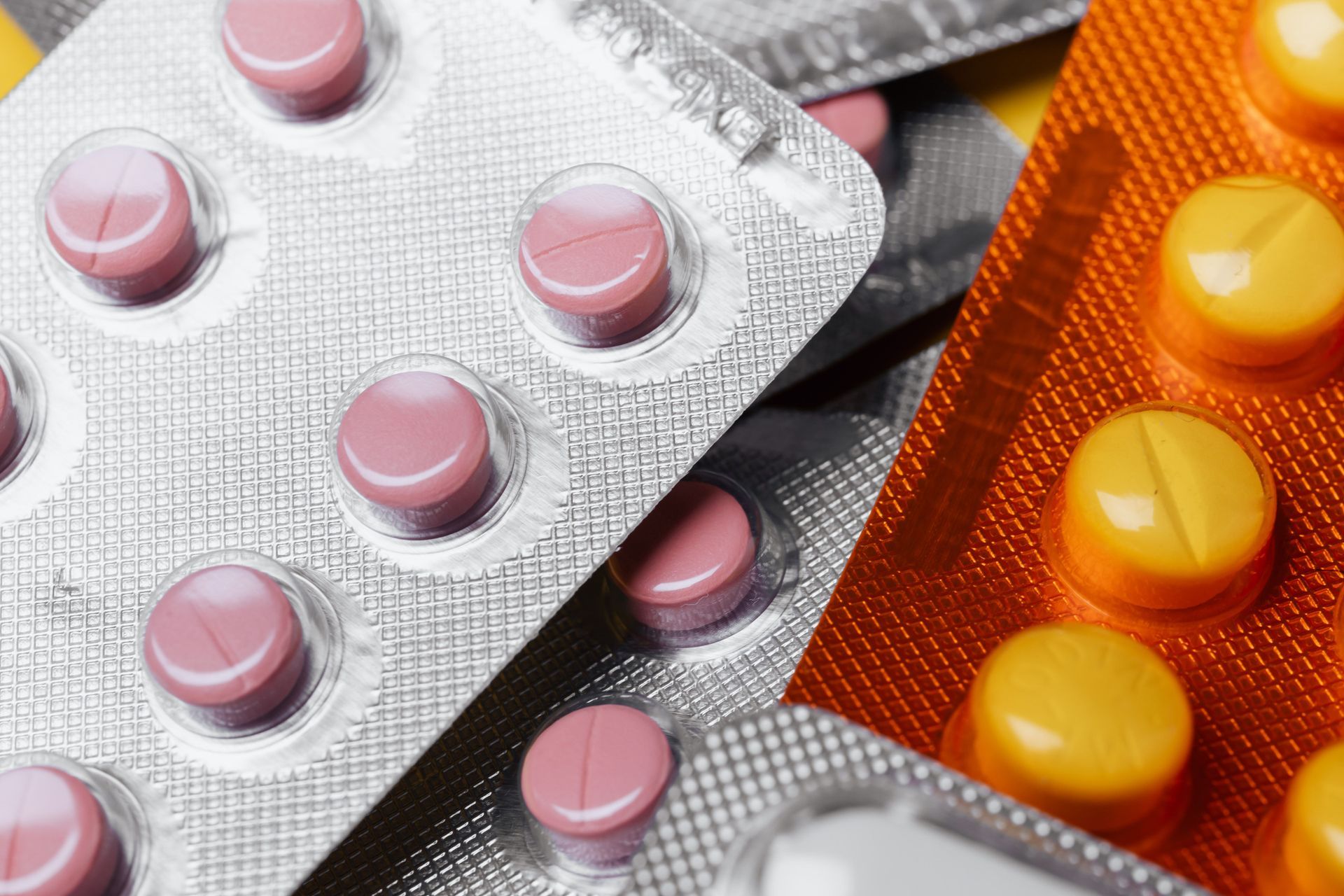
​Don’t take sleeping pills. Fake sleep hurts you in the long run. Avoid noisy alarm clocks and snooze buttons. Don’t exercise before bed-- relax before bed! Don’t take naps after 3 PM. However, a short siesta can be very restorative in the early afternoon. Snoring and sleep apnea can be related to overly large adenoids and tonsils which block the airway passage when breathing muscles relax during sleep. Snoring is the sound of turbulent air trying to be sucked down into lungs through a semi-collapsed, fluttering airway. The oxygen debt will reflexively force the brain to awaken throughout the night so that several full breaths can be obtained to restore full blood oxygen saturation. But this, of course, disrupts valuable deep Non-Rapid Eye Movement (NREM) sleep.

Good nutrition is critical for sleep. When your immune system is functioning well, your body can rest and restore. Stress and disease impair the healing aspects of sleep. For important information on how our food has been altered, impairing the body's ability to repair itself, see my book.

Recent Posts

By Larry Law June 6, 2026
Fructose and Cancer
By Larry Law May 25, 2026
What Is Epsom Salt?
By Larry Law May 9, 2026
The Lifespan of a Mattress
By Larry Law April 26, 2026
Brain Health and Alcohol Don't Mix
By Larry Law April 13, 2026
Prostate Cancer
By Larry Law March 31, 2026
Kitchen cooking oils will not last forever. Depending upon the oil, it can go rancid in a matter of months or a few years. You don't want to cook with rancid oil because it smells like wet socks and the living components have lost their vitality. But the good news is, expired oil won't hurt you. There is no water in it, so no mold can grow to make it rotten and dangerous. It can still be used for creative applications. According to the United States Department of Agriculture Forest Service, “Vegetable oils have many good natural properties including good lubricity, good resistance to shear, a high flash point, and a high viscosity index.” These qualities make them quite versatile in a number of applications. You might consider keeping your old oil rather than throwing it out. Recycling expired oil could prove to be a valuable asset in emergency situations.
By Larry Law March 17, 2026
Disposable face masks, such as those health officials encouraged (or in some cases, mandated) the public to wear during the COVID-19 pandemic, are made of synthetic fibers and may contain chemical compounds. Many people have questioned the wisdom of wearing masks made of synthetic fibers for long periods, asking whether inhaling the chemical compounds masks release could lead to health problems.
By Larry Law March 3, 2026
Deaths from Alzheimer's more than doubled between 2000 and 2019. In 2023, nearly 7 million Americans have been diagnosed with the disease. Today, 1 in 3 seniors dies with Alzheimer's or dementia—the death toll exceeds the total of breast- and prostate cancer combined. Officially, it's the sixth-leading cause of death, but a 2014 study suggests that it is actually one of the top three (just behind heart disease and cancer). The discrepancy being how death certificates underreport the disese because they record the more immediate cause of death (pneumonia or heart attack) rather than listing the underlyings causes.
By Larry Law February 17, 2026
True confessions: I never liked flossing, so I rarely used the string. Angie used all of the flossing strings I collected from the dentist to cut the dough when making cinnamon rolls—I thought that was a better and tastier use! I always brushed my teeth (manually and with a battery operated toothbrush). My teeth felt clean enough, but still, I had a lot of dental guilt every 6 months when I had to admit I wasn't flossing. A few years ago, I found a device that removed all my guilt and shame! I discovered the waterpik. A waterpik (also known as a dental water jet) is a brand of water flosser or oral irrigator that sprays water to remove food from between your teeth. Water flossers are a fabulous option for people who have trouble with traditional flossing—the kind that involves threading string-like material between your teeth. The girl in the picture looks like me trying to floss!
Show More