

Spike Proteins: Damage From and How to Remove

Author -  Larry A. Law

May 31, 2022
Print Friendly and PDF

Share this article:

The spike protein (S protein) is a glycoprotein on the glycocalyx or surface of the SARS-CoV-2 virus responsible for COVID-19. The S protein has two main components: S1 remaining in the blood and the S2 bound to cell membranes (glycocalyx). Initially, scientists thought its only role was in binding the virus to the angiotensin-converting enzyme (ACE2) receptors on human cells which allowed the virus to enter and infect the cell. Studies now document at least 8 other ways the S protein harms the human body. Further details will be provided below.

Moderna and Pfizer GMO S Proteins

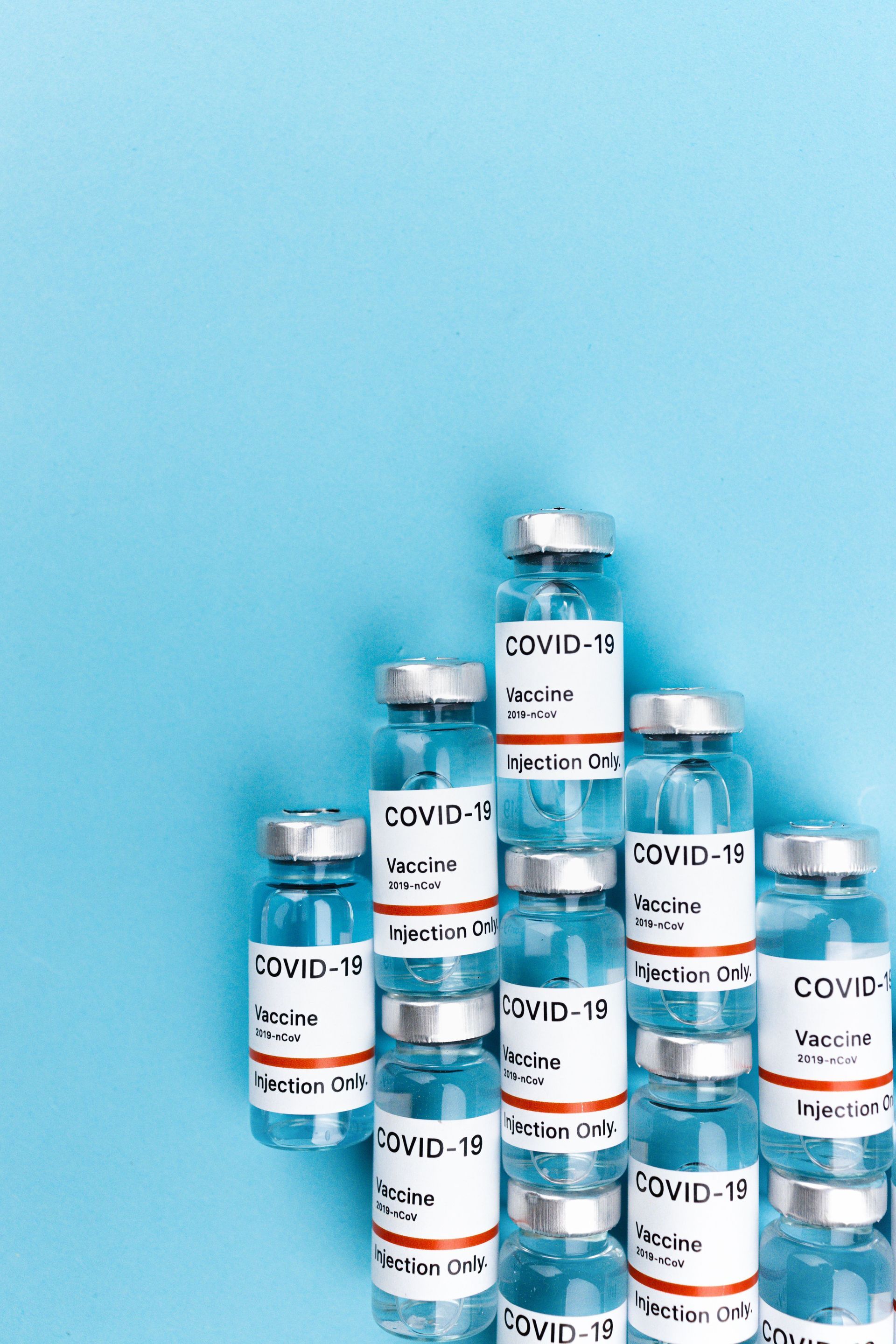
In addition, vaccines have introduced genetically modified (GMO), synthetic spike proteins which human cells are forced to create and display on their glycocalyx in hopes of prodding the immune system to generate some limited immune protection. These artificial GMO S proteins cause all of the 8 documented problems plus others. Moderna and Pfizer vaccine makers advertised that the viral mRNA in the vaccine would only appear in small amounts in the muscles at the injection site and not enter the blood or organs of the body. This proved to be false and the GMO S protein has been detected weeks and months after injection and in most vital organs and other parts of the body. A study published in the
Journal of Immunolgy documented that S2 proteins could still be found four months after the second dose of the Pfizer vaccine. Eliminating these foreign, artificial S proteins from the body becomes critical to restoring health from the damage COVID-19 vaccines cause.

8 Ways Spike Protein Harms

1. Damages the lung cells (pulmonary alveoli and endothelial cells).
2. Damages the mitochondria and DNA structures.
3. Damages cardiovascular cells.
4. Increases the risk of blood clots.
5. Damages brain cells.
6. Promotes inflammation.
7. Suppresses immunity.
8. Increases the risk of cancer.

Discussion

A paper published in 2021 states that the S proteins cause damage to multiple organs: 1) increases Type 1 catalytic receptors in the kidneys which makes them more susceptible to viral infection; 2) stimulates cells in the small intestine to produce large amounts of liver/lymph node-specific intracellular adhesion molecules making them more susceptible to infection; 3) increases dendritic cell-specific intercellular adhesion molecules in the lungs which cause inflammatory symptoms; 4) causes the pulmonary alveolar cell walls in the lungs to thicken and solidify, thereby decreasing breathing ability; 5) increases oxidation in various organs leading to premature cell death , a hyperoxidized state , and increased risk of cancer.

Researchers suspect S proteins damage mitochondria; this damage then causes Long-Haul Covid. Normally, the mitochondria serve the cell as power stations producing cellular energy. When endothelial (surface) or pulmonary alveolar (lung) cells are stimulated by the S proteins, the mitochondria structure fragments and the number of mitochondria power stations is greatly reduced. This causes the cell to lose function, decline and eventually die young. Prolonged COVID-19 symptoms (Long-Haul Covid) is marked by chronic fatigue. Lack of energy and lack of oxygen absorption result in worsening fatigue and early death.

S proteins damage the cardiovascular system and cause blood clots. A study published in Clinical Science documented that S proteins bind to CD147 receptors on the surface of pericardial (heart) cells making them more likely to shed from the surface of the endothelial cells. This damage to endothelial cells accelerates the death of the vascular wall cells, producing more pro-inflammatory chemical factors that in turn damage the myocardium (muscles of the heart).

S proteins can induce thrombosis (blood clotting) leading to a heart attack and even alter the structure of platelets, leading to increased, random clotting and strokes.

If the amount of S protein in the body is too high, the excess S protein can over-activate the expression of interferons; this then induces the body's immune system to attack its own cells in a way similar to autoimmune disease. Such an autoimmune reaction promotes inflammation, damages sensitive brain cells, increases the risk of cancer and suppresses overall immune function.

How to Rid the Body of Spike Proteins

The harm of S proteins is related to the amount in the body. The side effects mentioned above are all based on in vitro studies and animal models. The serious side effects occurred when the amount of spike protein was large. This is why mandatory, universal vaccination and recurring booster shots are especially dangerous.

The World Council for Health (WCH) has made several recommendations of nutrients and medications to counteract the accumulation of COVID-19 spike proteins.

1. Nutrients that can alleviate symptoms:

Vitamin C
Vitamin D
Omega 3
Quercetin
Melatonin
Zinc

2. Common medications used to alleviate symptoms:

Aspirin
Antihistamines
Steroids
Colchicine
Ivermectin
Mast Cell Stabilizers

3. Plant Extracts that can help detoxify the body:

Selfheal extract
Pine needle extract
Dandelion leaf extract
Rheum emodin
Neem
N-Acetyl L-Cysteine (NAC)
Fennel Tea
Anise Tea
St John's Wort
Lithospermum

Of course, the sugar nutrients we teach about in our class and discuss in our book would be the first thing we would add to this list.

Recent Posts

By Larry Law June 22, 2026
Why Does Time Speed Up As We Get Older?
By Larry Law June 6, 2026
Fructose and Cancer
By Larry Law May 25, 2026
What Is Epsom Salt?
By Larry Law May 9, 2026
The Lifespan of a Mattress
By Larry Law April 26, 2026
Brain Health and Alcohol Don't Mix
By Larry Law April 13, 2026
Prostate Cancer
By Larry Law March 31, 2026
Kitchen cooking oils will not last forever. Depending upon the oil, it can go rancid in a matter of months or a few years. You don't want to cook with rancid oil because it smells like wet socks and the living components have lost their vitality. But the good news is, expired oil won't hurt you. There is no water in it, so no mold can grow to make it rotten and dangerous. It can still be used for creative applications. According to the United States Department of Agriculture Forest Service, “Vegetable oils have many good natural properties including good lubricity, good resistance to shear, a high flash point, and a high viscosity index.” These qualities make them quite versatile in a number of applications. You might consider keeping your old oil rather than throwing it out. Recycling expired oil could prove to be a valuable asset in emergency situations.
By Larry Law March 17, 2026
Disposable face masks, such as those health officials encouraged (or in some cases, mandated) the public to wear during the COVID-19 pandemic, are made of synthetic fibers and may contain chemical compounds. Many people have questioned the wisdom of wearing masks made of synthetic fibers for long periods, asking whether inhaling the chemical compounds masks release could lead to health problems.
By Larry Law March 3, 2026
Deaths from Alzheimer's more than doubled between 2000 and 2019. In 2023, nearly 7 million Americans have been diagnosed with the disease. Today, 1 in 3 seniors dies with Alzheimer's or dementia—the death toll exceeds the total of breast- and prostate cancer combined. Officially, it's the sixth-leading cause of death, but a 2014 study suggests that it is actually one of the top three (just behind heart disease and cancer). The discrepancy being how death certificates underreport the disese because they record the more immediate cause of death (pneumonia or heart attack) rather than listing the underlyings causes.
Show More