

What is Long-Haul COVID?

Author -  Larry A. Law

November 23, 2021
Print Friendly and PDF

Share this article:

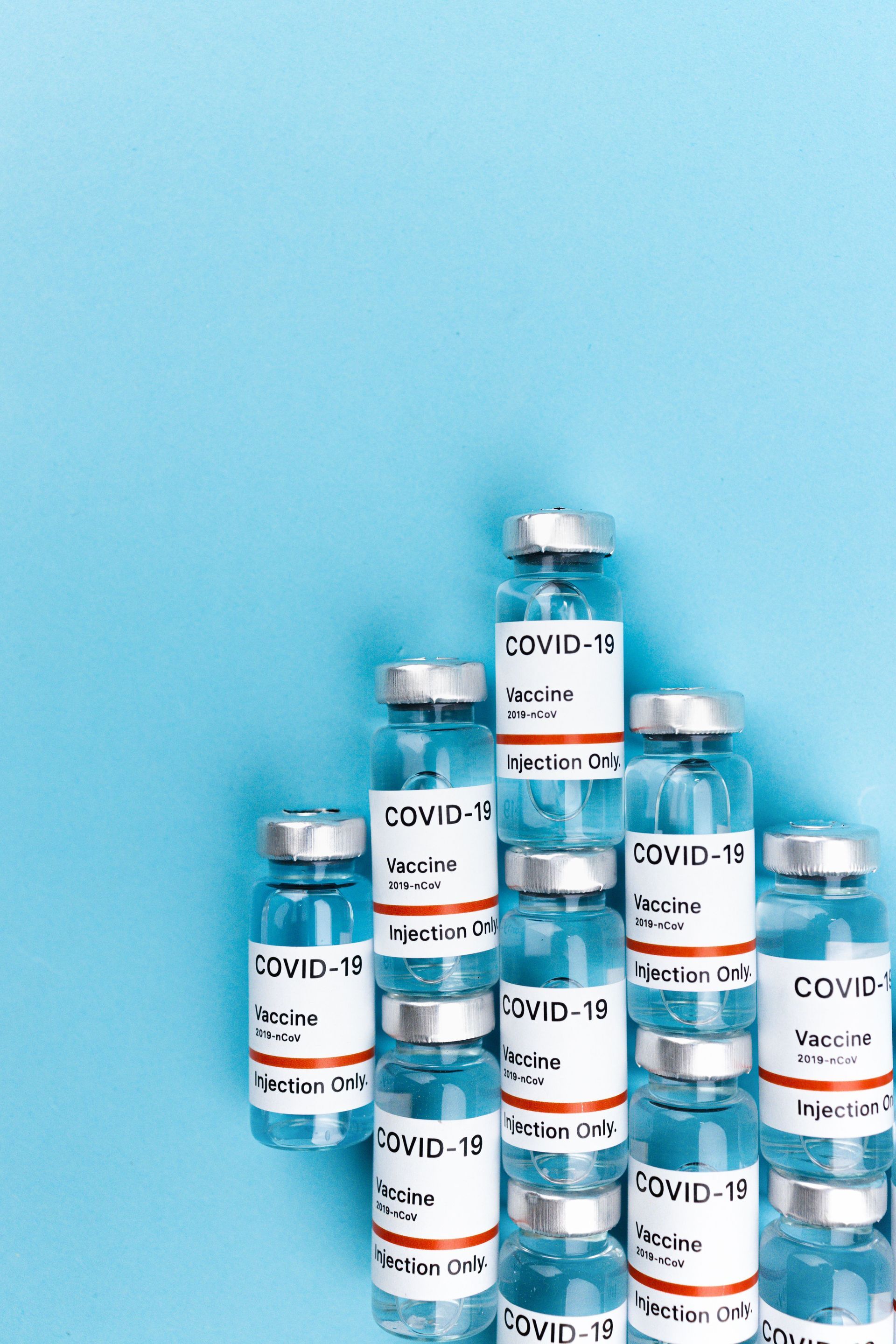
Long-haul COVID, long-haul syndrome, or chronic COVID all refer to COVID symptoms that persist for more than a month. Common symptoms are cough, fatigue, chest pain, fever, loss of smell/taste, headache, shortness of breath, concentration or sleep problems, anxiety, and muscle/joint pain. These symptoms can arise after contracting a severe case of COVID naturally or can occur after a COVID-19 shot (called shot-induced syndrome). There are four areas of concern for the shot-induced syndrome, but let's first address the natural long-haul COVID cases.

Dr. Peter McCullough, a board-certified internist and cardiologist, says if you have a severe case of COVID, blood clots and heart problems can be a concern for 90 days or more. If the symptoms include major shortness of breath, coughing with blood or pain on one side when you take a deep breath, it could be due to a late pulmonary embolism or blood clotting in the lungs. A CT scan, a D-dimer test, or a C-reactive protein (CRP) test can be used to identify inflammation and blood clots. If a blood clot is found, Dr. McCullough puts his patients on oral blood thinners and uses full-dose aspirin (325 milligrams a day) for 3 to 6 months. Dr. Joseph Mercola says digestive fibrinolytic enzymes like lumbrokinase and serrapeptase can be used as an alternative to aspirin.

Besides concerns about blood clots, heart problems like pericarditis (inflammation around the lining of the heart) and pleuritis (inflammation around the lining of the lungs) can occur in long-haul COVID. There is a real risk for heart attacks in these cases. Dr. McCullough prescribes steroids and colchicine, an anti-inflammatory drug commonly used for gout, to treat these cases.

Research by Dr. Sabine Hazan shows that gut health (your microbiome) plays a critical role. Bifidobacterium is among the leading bacteria that appears to effectively fight COVID-19. The virus "collects in your nose and mouth, and as you swallow it's introduced to your GI tract." Research by Li Tongzeng, deputy director of Respiratory and Infectious Diseases at Beijing You An Hospital says COVID-19 survives longer in the GI tract than the respiratory tract. So, a healthy gut supported by eating a clean diet, avoiding antibiotics and processed foods, adding fermented foods and a high-quality probiotic are essential. In addition supplementing with vitamin C, vitamin D, glutathione, and N-acetylcysteine (NAC) are very helpful. For information on how to avoid synthetic vitamins and inorganic minerals, see my book, second section. If you would like to know our opinion for plant-sourced, vetted supplement resources, send us an email here as we're happy to help take the guess work out of that!

Shot-induced syndrome falls into four categories: cardiac, neurologic, immunologic, and hematologic.

Cardiac: Mycocarditis in natural COVID-19 cases is mild (virutally inconsequential). It is far more serious from a shot. Dr. McCullough says, "A child is more likely to be hospitalized with myocarditis after a Pfizer or Moderna shot than actually being hospitalized with COVID-19...the lipid nanoparticles [in the vaccine] actually go right into the heart, the heart expresses the spike protein, the body attacks the heart. There are dramatic EKG changes. The troponin, the blood test for heart injury with the vaccine myocarditis, is 10 to 100 volts higher than the troponin we see with the natural infection. It's a totally different syndrome. When the kids get myocarditis after the vaccine, 90% have to be hospitalized...so vaccine-induced myocarditis is a big deal, and in children it's way more serious and more prominent than a post-COVID myocarditis."

Neurologic: This includes Guillain-Barre syndrome, which can be fatal, Bell's Palsy, seizures, persistent headaches, and blood clots in the brain.

Immunologic: Suppression of lymphocyte count and reactivation of other viral syndromes like Epstein-Barr and shingles.

​Hematologic: Vaccine-induced thrombocytopenic purpura. Signs include bruising all over the body, bleeding from the gums and nose, dark urine. Dr. McCullough says, "What happens is the shot tricks the body and gives excessive antigenic presentation of platelets to the spleen, the spleen produces an antibody that actually pins platelets against blood vessel walls...and that's what drives vaccine-induced thrombocytopenic purpura."

For those suffering from these shot-induced syndromes, Front Line COVID-19 Critical Care Alliance (FLCCC's) I-Recover protocol for long-haul COVID syndrome has been used to treat shot-induced symptoms with similar success. You can download the protocol here.

​In addition, if you haven't seen the 75-minute movie, Indoctornation , I highly recommed you click on the link and download it to your computer. It can take a bit of time to download so be patient as it's worth it. It is free and you can share it with others. Mikki Willis and Dr. David Martin give one of the clearest presentations on how the COVID-19 pandemic came to be. Truly a masterful, moving story that will stir your heart and mind to action. Mikki's book, Plandemic , is available on Amazon.

Recent Posts

By Larry Law June 22, 2026
Why Does Time Speed Up As We Get Older?
By Larry Law June 6, 2026
Fructose and Cancer
By Larry Law May 25, 2026
What Is Epsom Salt?
By Larry Law May 9, 2026
The Lifespan of a Mattress
By Larry Law April 26, 2026
Brain Health and Alcohol Don't Mix
By Larry Law April 13, 2026
Prostate Cancer
By Larry Law March 31, 2026
Kitchen cooking oils will not last forever. Depending upon the oil, it can go rancid in a matter of months or a few years. You don't want to cook with rancid oil because it smells like wet socks and the living components have lost their vitality. But the good news is, expired oil won't hurt you. There is no water in it, so no mold can grow to make it rotten and dangerous. It can still be used for creative applications. According to the United States Department of Agriculture Forest Service, “Vegetable oils have many good natural properties including good lubricity, good resistance to shear, a high flash point, and a high viscosity index.” These qualities make them quite versatile in a number of applications. You might consider keeping your old oil rather than throwing it out. Recycling expired oil could prove to be a valuable asset in emergency situations.
By Larry Law March 17, 2026
Disposable face masks, such as those health officials encouraged (or in some cases, mandated) the public to wear during the COVID-19 pandemic, are made of synthetic fibers and may contain chemical compounds. Many people have questioned the wisdom of wearing masks made of synthetic fibers for long periods, asking whether inhaling the chemical compounds masks release could lead to health problems.
By Larry Law March 3, 2026
Deaths from Alzheimer's more than doubled between 2000 and 2019. In 2023, nearly 7 million Americans have been diagnosed with the disease. Today, 1 in 3 seniors dies with Alzheimer's or dementia—the death toll exceeds the total of breast- and prostate cancer combined. Officially, it's the sixth-leading cause of death, but a 2014 study suggests that it is actually one of the top three (just behind heart disease and cancer). The discrepancy being how death certificates underreport the disese because they record the more immediate cause of death (pneumonia or heart attack) rather than listing the underlyings causes.
Show More