

Five Studies of Unvaccinated Children

Author -  Larry Law

April 21, 2020
Print Friendly and PDF

Share this article:

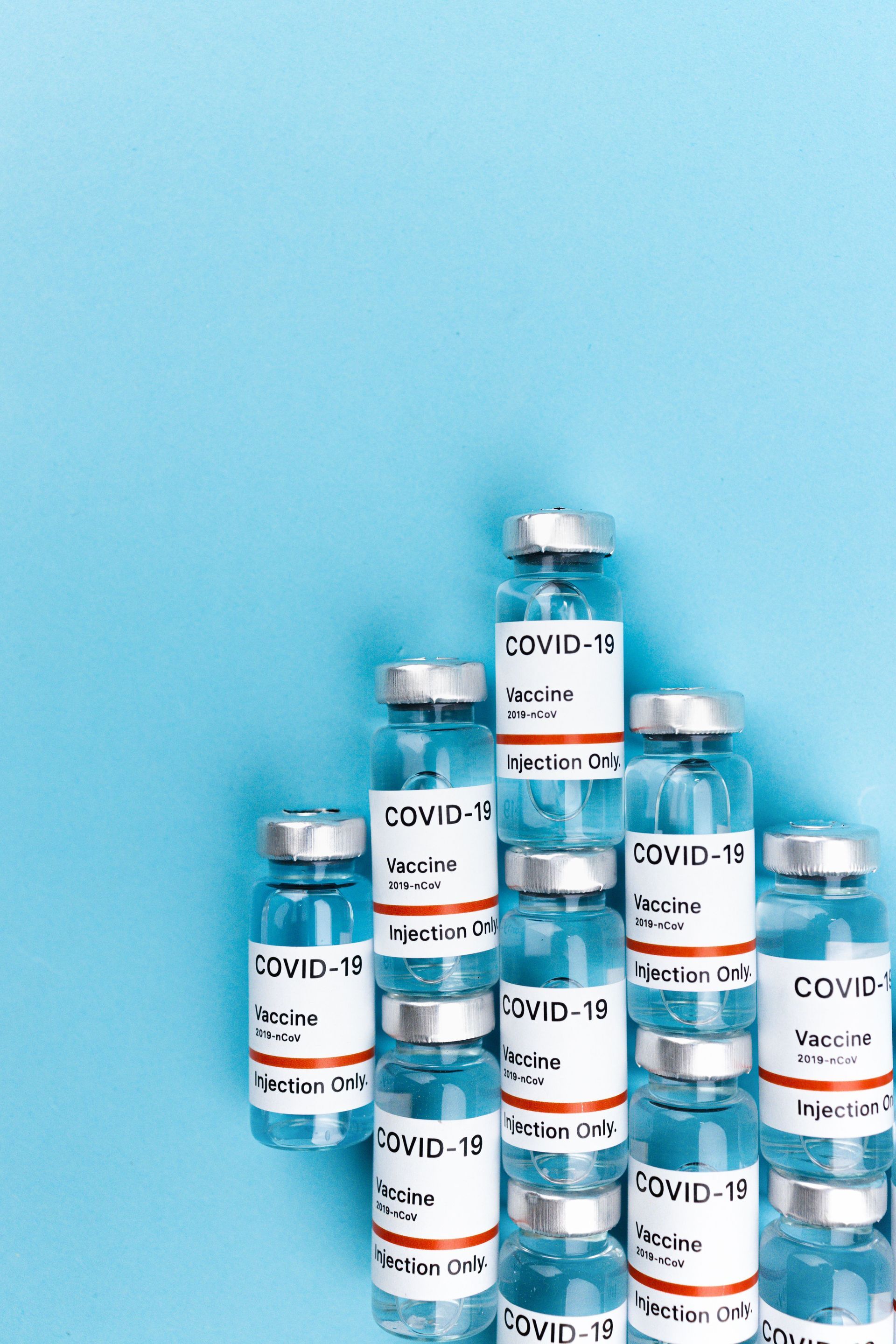
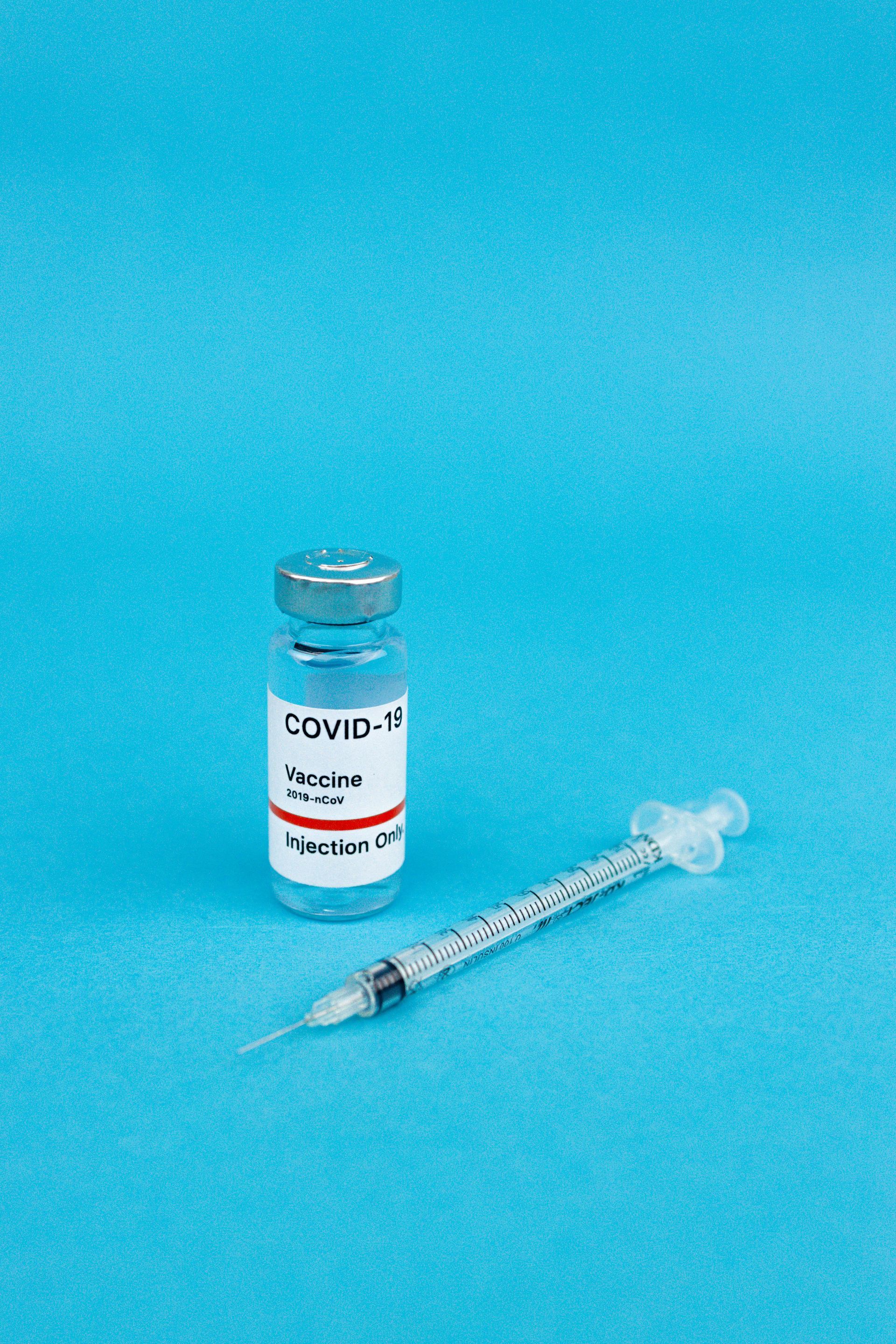
​Here are five studies that actually compare vaccinated children with unvaccinated children. Studies like this are rarely done and are not discussed in the media because they cast a negative shadow on vaccines. They are published in peer-reviewed journals but the mainstream media tend to ignore them because the pharmaceutical industry (their biggest advertiser) is not keen on promoting public discussion. Vaccines always come with side effects. Those side effects should be weighed in the balance to determine the overall benefit before administering them. Researchers are working to develop a vaccine for Covid-19 but it is important to remember that neither a drug nor a vaccine can cure disease. Developing a strong immune system is the only real safeguard.

The first study was published in 2000 by researchers at UCLA and involved 13,000 children and the DTP vaccine. J. B. Handley, in his book, How to End the Autism Epidemic , states, "...the first study to ever compare a group that received a vaccine with a group that didn't found a dramatic difference in rates of asthma and allergies among the vaccinated group, so much so that they thought not getting the DTP vaccine might reduce cases of asthma by 50 percent! Note that many children with autism suffer from what are known as comorbid conditions, such as asthma, allergies, and other autoimmune conditions."

The second study was published in 2008 with researchers from SUNY Stony Brook and investigated the relationship between hepatitis B vaccine and special education. Hepatitis B is given three separate times often beginning at birth. The full series of Hepatitis B led to a 9-fold greater likelihood of needing special education services.

The last two studies were conducted by scientists from Jackson State University in 2017. The first (our fourth) of their studies found that vaccinated children had a fourfold higher likelihood of having autism. And the second (our fifth) study found c hildren born prematurely and vaccinated were fourteen times more likely to develop a neurodevelopmental disorder. Any of these studies would cause most parents to pause in their decision to vaccinate their children. But all five taken together should put the brakes on the entire endeavor! Is the vaccine offered really worth the risk to your child? At a minimum, wouldn't it be prudent to allow the child's immune system to develop for 3-5 years before injecting toxic elements directly into their bloodstream? For more information, see my book, There's An Elephant in the Room - Exposing Hidden Truths in the Science of Health.

Archives

    Recent Posts

    By Larry Law June 22, 2026
    Why Does Time Speed Up As We Get Older?
    By Larry Law June 6, 2026
    Fructose and Cancer
    By Larry Law May 25, 2026
    What Is Epsom Salt?
    By Larry Law May 9, 2026
    The Lifespan of a Mattress
    By Larry Law April 26, 2026
    Brain Health and Alcohol Don't Mix
    By Larry Law April 13, 2026
    Prostate Cancer
    By Larry Law March 31, 2026
    Kitchen cooking oils will not last forever. Depending upon the oil, it can go rancid in a matter of months or a few years. You don't want to cook with rancid oil because it smells like wet socks and the living components have lost their vitality. But the good news is, expired oil won't hurt you. There is no water in it, so no mold can grow to make it rotten and dangerous. It can still be used for creative applications. According to the United States Department of Agriculture Forest Service, “Vegetable oils have many good natural properties including good lubricity, good resistance to shear, a high flash point, and a high viscosity index.” These qualities make them quite versatile in a number of applications. You might consider keeping your old oil rather than throwing it out. Recycling expired oil could prove to be a valuable asset in emergency situations.
    By Larry Law March 17, 2026
    Disposable face masks, such as those health officials encouraged (or in some cases, mandated) the public to wear during the COVID-19 pandemic, are made of synthetic fibers and may contain chemical compounds. Many people have questioned the wisdom of wearing masks made of synthetic fibers for long periods, asking whether inhaling the chemical compounds masks release could lead to health problems.
    By Larry Law March 3, 2026
    Deaths from Alzheimer's more than doubled between 2000 and 2019. In 2023, nearly 7 million Americans have been diagnosed with the disease. Today, 1 in 3 seniors dies with Alzheimer's or dementia—the death toll exceeds the total of breast- and prostate cancer combined. Officially, it's the sixth-leading cause of death, but a 2014 study suggests that it is actually one of the top three (just behind heart disease and cancer). The discrepancy being how death certificates underreport the disese because they record the more immediate cause of death (pneumonia or heart attack) rather than listing the underlyings causes.
    Show More