


Kidney Stones
Author - Larry Law
Doctors estimate that one in ten people will have a kidney stone during their lifetime. It is one of the most painful experiences. The parathyroid gland controls levels of calcium in the blood. The Norman Parathyroid Center is the world's leading experts on calcium and kidney stones. The Center states, "Hyperparathyroidism (high calcium levels) is the number one cause of kidney stones and thus every person with a kidney stone must be tested for a problem with their parathyroid glands. Nearly half of all people with kidney stones have a benign parathyroid tumor in their neck that must be removed or the kidney stones will return."
Small kidney stones pass as tiny bits of gravel without you ever even knowing it. But larger ones leave a lasting impression that you never want to repeat! One person per 1,000 in the U.S. is hospitalized with painful stones trapped in their urinary passageways. The pain often begins in the lower back and can radiate across the abdomen and down the inside thigh. Most kidney stones are made up of calcium. Calcium phosphate and calcium oxalate account for 85 percent of all stones. Uric acid stones are seen mostly in men with gout. Large stones are treated with surgery or lithotripsy (special ultrasound machines that break the stone into smaller pieces).
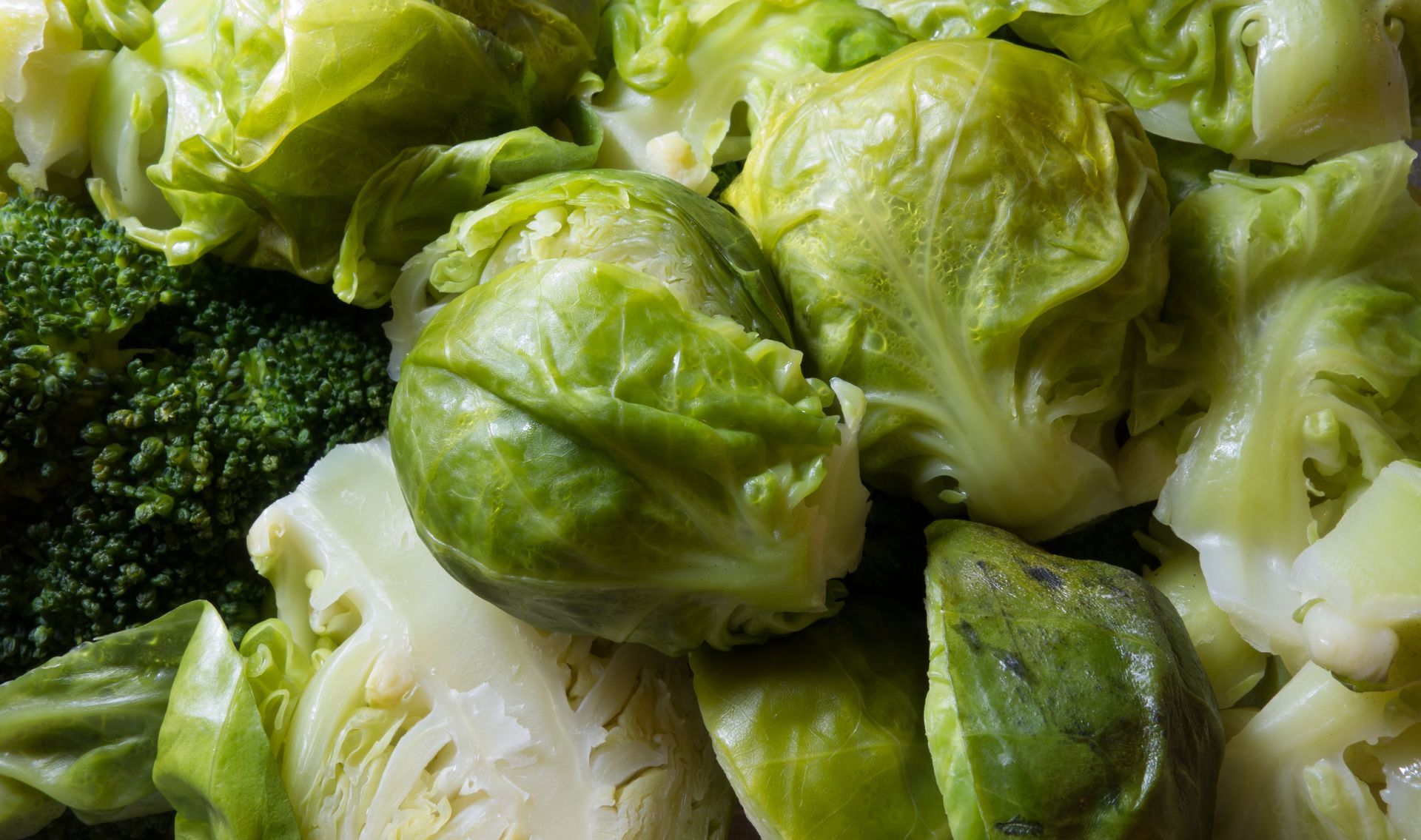
Elevated calcium can be related to a diet high in sugar (especially fructose), alcohol, coffee, chocolate, and meat. Rhubard, spinach, chard and parsley can contain higher levels of oxalic acid. But there are plenty of low-oxalate greens to make up for ones you have to avoid (good ones are kale, arugula, romaine, all lettuces, and most herbs except parsley). Dehydration concentrates calcium in the urine, so drink plenty of water. Avoid sodas as they contain phosphoric acid which pulls calcium out of the bones and into the kidneys.
A hidden problem relating to excess calcium is low levels of magnesium within the body. It is estimated that 85% of people are low in magnesium. Calcium and magnesium counter each other. They work together like a teeter-totter in the body. When one is high, then the other is low. With all the inorganic calcium added to processed food and the altered calcium found in pasteurized milk, magnesium levels are very low. Excess calcium can be deposited in arteries causing hardening of the arteries (atherosclerosis) leading to heart attack. Heart disease is much more a problem of calcification (calcified plaque) than cholesterol.
In my book, There's An Elephant in the Room - Exposing Hidden Truths in the Science of Health , I address the Calcium Lie and other issues related to calcification within the body.
Recent Posts