

Fascinating Aspects of Glycobiology—Part 7 (COVID-19)
Author - Larry A. Law
July 22, 2025
Larry A. Law
| Saying the word COVID-19
still gets my blog articles tagged by social media and sent to spam folders when I include them in the eZine. It's been five years, but the entrenched medical system still does not want the truths to come out concerning the fake pandemic. I have published 125 articles since November 2019 when the medically-induced fearmongering began. Fortunately, a positive side-effect of the panic resulted in the public learning more about glycobiology
than they had ever known before.
|

Glycobiology and COVID-19
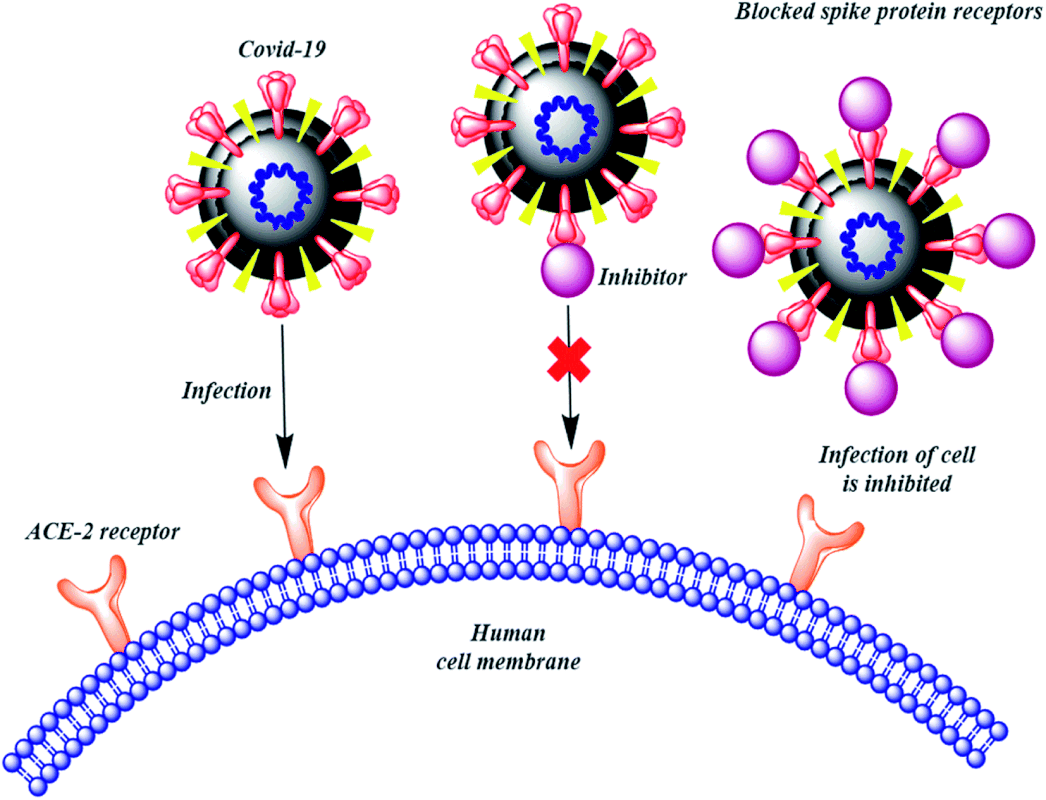
As shown in the picture above, some of the areas specifically related to glycobiology and COVID-19 included: the SARS-CoV-2
(a glycoprotein), cell receptors (
—also a glycoprotein), the experimental
which forced cells to create a synthetic spike glycoprotein, how chronic disease
, and the
.
Dr. Fauci Needs to be Held Accountable
The Telegraph,
"COVID vaccines may have helped fuel rise in excess deaths."
A great new movie documenting issues surrounding the COVID pandemic is called
Unsafe and Ineffective
. You can watch it for free by
and putting in your name and email.
Hydroxychloroquine Example of Glycobiology
Zinc Ionophore
HCQ) acts as a zinc
ionophore
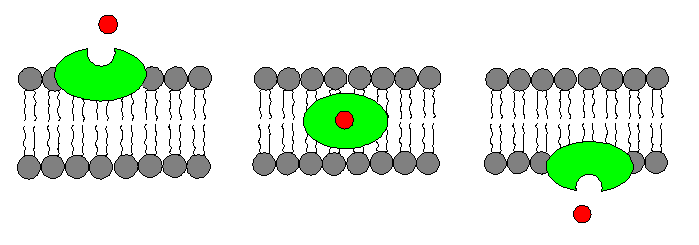
(carrier) on the glycocalyx of the cells. Zinc is a crucial mineral in fighting viruses. It interrupts the ability of the virus to replicate. The zinc ion has 2 positive charges (red dot in picture below). The cell
membrane
has no charge, so that the zinc ion cannot cross through that barrier by itself. HCQ is used by the cell and becomes embedded within the cell membrane (glycocalyx) as an ionophore (green revolving door in picture below). This carrier can capture a zinc ion floating outside the cell. The carrier then encapsulates the zinc ion, allowing it to keep its charge. It transfers the zinc from outside the cell to the inside, where it is released. The positively charged zinc ion can now interact with the virus's RdRp enzyme, independent of HCQ, and alter it so it cannot do its job. In this way, replication of the virus ceases because of the disruption of this important viral metabolic pathway. The virus cannot reproduce inside the cell.
Glycosylation
ACE2
glycocalyx
spike glycoprotein
affinity of binding
slips
Recent Posts

By Larry Law
•
March 31, 2026
Kitchen cooking oils will not last forever. Depending upon the oil, it can go rancid in a matter of months or a few years. You don't want to cook with rancid oil because it smells like wet socks and the living components have lost their vitality. But the good news is, expired oil won't hurt you. There is no water in it, so no mold can grow to make it rotten and dangerous. It can still be used for creative applications. According to the United States Department of Agriculture Forest Service, “Vegetable oils have many good natural properties including good lubricity, good resistance to shear, a high flash point, and a high viscosity index.” These qualities make them quite versatile in a number of applications. You might consider keeping your old oil rather than throwing it out. Recycling expired oil could prove to be a valuable asset in emergency situations.

By Larry Law
•
March 17, 2026
Disposable face masks, such as those health officials encouraged (or in some cases, mandated) the public to wear during the COVID-19 pandemic, are made of synthetic fibers and may contain chemical compounds. Many people have questioned the wisdom of wearing masks made of synthetic fibers for long periods, asking whether inhaling the chemical compounds masks release could lead to health problems.

By Larry Law
•
March 3, 2026
Deaths from Alzheimer's more than doubled between 2000 and 2019. In 2023, nearly 7 million Americans have been diagnosed with the disease. Today, 1 in 3 seniors dies with Alzheimer's or dementia—the death toll exceeds the total of breast- and prostate cancer combined. Officially, it's the sixth-leading cause of death, but a 2014 study suggests that it is actually one of the top three (just behind heart disease and cancer). The discrepancy being how death certificates underreport the disese because they record the more immediate cause of death (pneumonia or heart attack) rather than listing the underlyings causes.

By Larry Law
•
February 17, 2026
True confessions: I never liked flossing, so I rarely used the string. Angie used all of the flossing strings I collected from the dentist to cut the dough when making cinnamon rolls—I thought that was a better and tastier use! I always brushed my teeth (manually and with a battery operated toothbrush). My teeth felt clean enough, but still, I had a lot of dental guilt every 6 months when I had to admit I wasn't flossing. A few years ago, I found a device that removed all my guilt and shame! I discovered the waterpik. A waterpik (also known as a dental water jet) is a brand of water flosser or oral irrigator that sprays water to remove food from between your teeth. Water flossers are a fabulous option for people who have trouble with traditional flossing—the kind that involves threading string-like material between your teeth. The girl in the picture looks like me trying to floss!